Birding on the Tillamook Coast: A Paradise for Oregon Birdwatchers
The Tillamook Coast is one of Oregon's premier birdwatching destinations. Stretching from the sandy beaches of Pacific City to the rugged cliffs of Cape Meares and the wetlands surrounding Tillamook Bay, this diverse landscape provides habitat for hundreds of bird species throughout the year. Whether you're an experienced birder carrying a spotting scope or simply enjoy watching wildlife during a coastal hike, Tillamook County offers incredible opportunities to see everything from puffins and peregrine falcons to herons and migratory shorebirds.
Why Tillamook is a Birding Hotspot
Few places on the Oregon Coast offer such a variety of habitats in a relatively small area. Visitors can explore:
- Rocky headlands and sea cliffs
- Offshore sea stacks
- Sandy beaches and dunes
- Estuaries and mudflats
- Freshwater wetlands
- Coastal forests
- Agricultural fields and pastures
These ecosystems attract resident birds as well as thousands of migratory species traveling along the Pacific Flyway each year. Nearly 200 species have been recorded in some Tillamook County wildlife refuges alone.
Cape Meares: The Crown Jewel of Coastal Birding
One of the best places to begin a birding adventure is Cape Meares National Wildlife Refuge. The refuge combines old-growth coastal forest with dramatic ocean cliffs, creating habitat for numerous seabirds and raptors.
Birds commonly seen here include:
- Peregrine Falcons
- Bald Eagles
- Common Murres
- Pigeon Guillemots
- Pelagic Cormorants
- Double-crested Cormorants
- Black Oystercatchers
- Tufted Puffins (seasonally)
- Marbled Murrelets
During spring and summer, thousands of seabirds nest on offshore rocks, creating one of the most spectacular wildlife displays on the Oregon Coast.
Tillamook Bay and Bayocean Spit
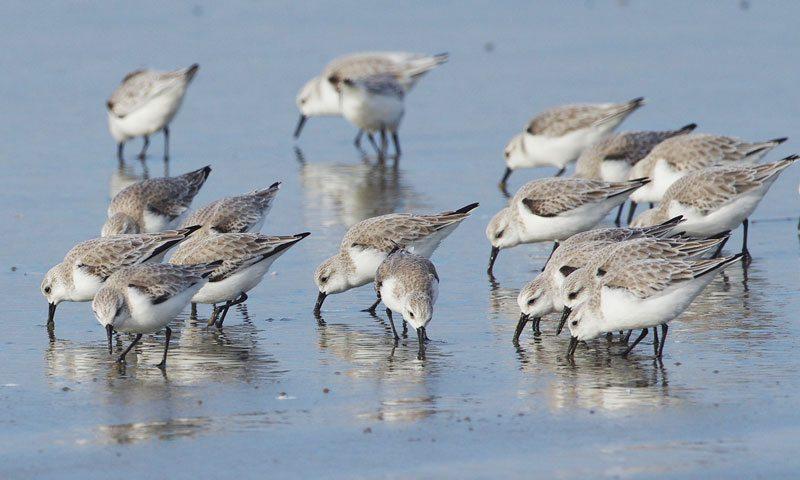
Tillamook Bay is a magnet for shorebirds and waterfowl. At low tide, vast mudflats emerge, exposing a buffet of worms, shellfish, and other invertebrates that attract feeding birds.
Species frequently spotted include:
- Western Sandpipers
- Least Sandpipers
- Dunlins
- Sanderlings
- Black-bellied Plovers
- Semipalmated Plovers
- Great Blue Herons
- Snowy Egrets
- Green Herons
- Brant Geese
The Bayocean Spit area is particularly productive during spring and fall migration when thousands of shorebirds stop to rest and feed before continuing their journeys.
Birds of the Beaches and Rocky Shoreline
The beaches and rocky intertidal zones of the Tillamook Coast host some of Oregon's most iconic coastal birds.
Black Oystercatcher
Perhaps the most distinctive shoreline bird, the Black Oystercatcher sports a bright orange bill and pink legs. These loud birds patrol rocky shorelines searching for mussels and other shellfish.
Surfbirds and Turnstones
Look carefully among wave-swept rocks and jetties for:
- Surfbirds
- Black Turnstones
- Wandering Tattlers
- Rock Sandpipers
These species thrive where crashing surf meets rocky habitat.
Waterfowl and Winter Visitors
Winter transforms Tillamook into a haven for northern migrants escaping frozen breeding grounds.
Common winter species include:
- Harlequin Ducks
- Buffleheads
- Common Goldeneyes
- Surf Scoters
- White-winged Scoters
- Common Loons
- Red-throated Loons
- Horned Grebes
These birds can often be observed from coastal viewpoints, bays, and protected estuaries throughout the county.
Birds of the Coastal Forest
While many visitors focus on the shoreline, Tillamook's coastal forests provide excellent birding opportunities.
Species found among the Sitka spruce and western hemlock forests include:
- Chestnut-backed Chickadees
- Varied Thrushes
- Golden-crowned Kinglets
- Wilson's Warblers
- Swainson's Thrushes
- Hutton's Vireos
- Northern Pygmy Owls
- Great Horned Owls
- Red Crossbills
Early morning hikes often provide the best chances to hear and see these forest birds.
Birds of Prey
Birdwatchers should always keep an eye on the sky along the Tillamook Coast.
Raptors commonly seen include:
- Bald Eagles
- Peregrine Falcons
- Ospreys
- Northern Harriers
- Red-tailed Hawks
Cape Meares is particularly famous for nesting Peregrine Falcons, which often perform spectacular aerial hunting displays above the cliffs.
Best Seasons for Birding
Spring (March–May)
- Migrating shorebirds arrive
- Seabird nesting season begins
- Peregrine Falcons become highly active
- Warblers return to coastal forests
Summer (June–August)
- Peak seabird viewing
- Puffins and murres visible offshore
- Young birds begin fledging
Fall (September–November)
- Shorebird migration peaks
- Waterfowl numbers increase
- Excellent photography opportunities
Winter (December–February)
- Sea ducks and loons arrive
- Bald Eagles become more visible
- Storm watching often reveals pelagic species near shore
Top Birding Locations on the Tillamook Coast
- Cape Meares National Wildlife Refuge
- Bayocean Spit
- Tillamook Bay
- Barview Jetty
- Clay Myers Natural Area
- Nestucca Bay National Wildlife Refuge
Birding on the Tillamook Coast is rewarding year-round. The combination of rugged ocean cliffs, expansive estuaries, sandy beaches, and ancient coastal forests creates one of Oregon's richest bird habitats. Whether you're hoping to spot a soaring Bald Eagle, photograph a colorful Tufted Puffin, or watch thousands of migrating shorebirds gather on a mudflat, Tillamook County offers unforgettable birding experiences that keep enthusiasts returning season after season.