Black Bears of the Oregon Coastal Forests
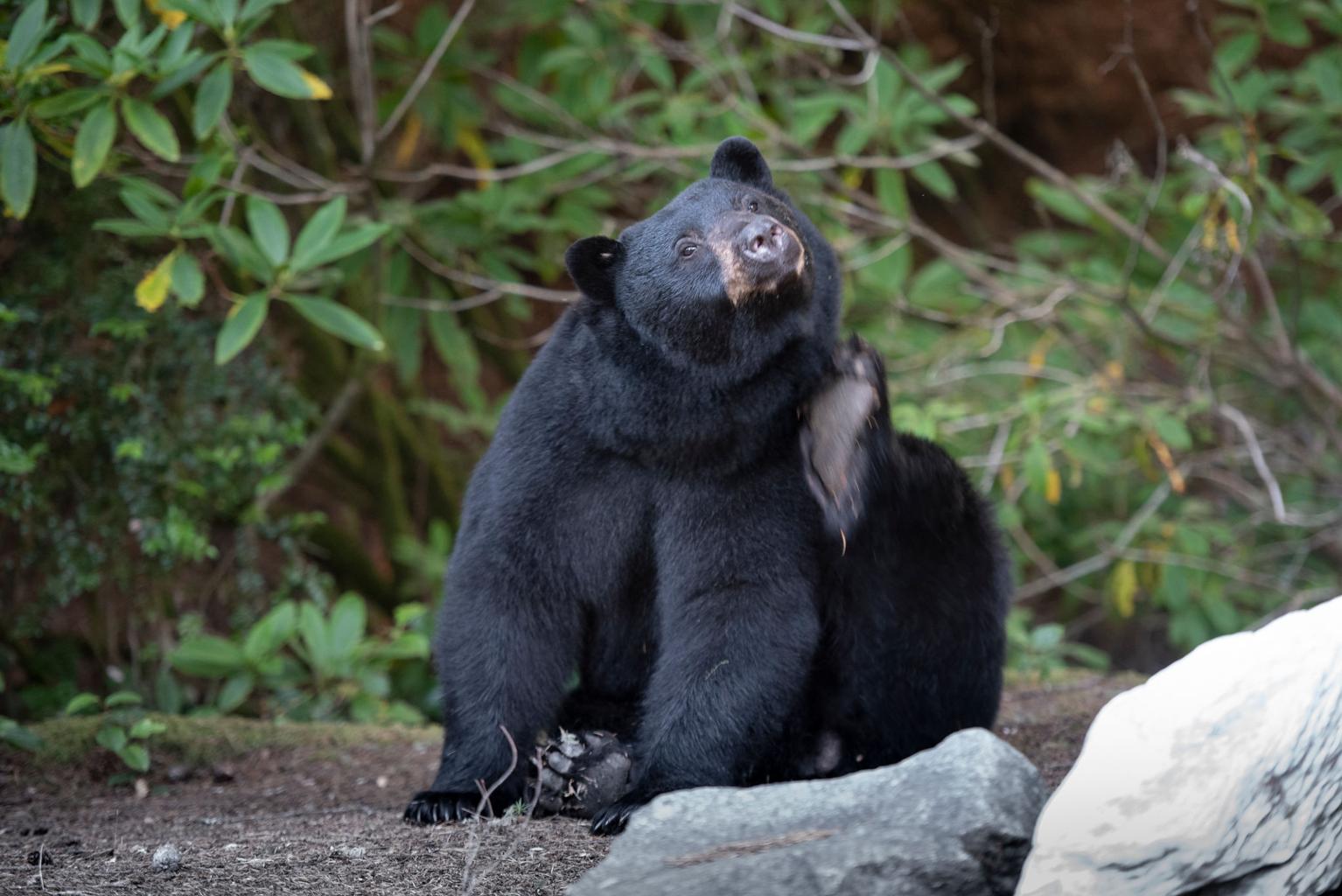
The lush forests along the Oregon coast are home to one of North America’s most adaptable large mammals—the American black bear. Hidden within dense stands of Sitka spruce, western hemlock, and Douglas fir, these powerful animals roam the rugged terrain of the Coast Range, rarely seen but very much present. For hikers, wildlife watchers, and outdoor explorers, the black bear is a symbol of the wild character that still defines Oregon’s coastal forests.
A Forest Perfect for Bears
Oregon’s coastal forests provide an ideal habitat for black bears. The region receives heavy rainfall, producing thick vegetation, rich berry patches, and abundant streams. This diverse environment gives bears access to a wide variety of food throughout the year.
Black bears commonly inhabit forested areas stretching from the northern Oregon Coast Range down to the remote wilderness of the southern coast. They prefer dense forests where thick underbrush offers cover, but they also roam river valleys, meadows, and sometimes coastal estuaries.
These forests function almost like a year-round buffet for bears.
What Black Bears Eat on the Coast
Black bears are omnivores, meaning they eat both plants and animals. Along the Oregon coast, their diet changes with the seasons.
In spring, bears feed on fresh grasses, sedges, and emerging plants. They often dig for roots and search for insects beneath rotting logs. As summer arrives, berries become a major food source. Salmonberries, huckleberries, thimbleberries, and blackberries grow abundantly throughout the coastal forests and provide bears with high-energy nutrition.
In the fall, bears begin preparing for winter by consuming massive amounts of food. This period, called hyperphagia, is when bears may eat up to 20,000 calories per day. They forage heavily on acorns, nuts, berries, insects, and occasionally carrion or small animals. In some areas, bears will also feed on spawning salmon in coastal rivers.
Seasonal Behavior and Winter Denning
Unlike true hibernators, black bears enter a state called torpor during winter. Along the mild Oregon coast, this period can be shorter than in colder regions. Bears often den in hollow trees, under large root systems, inside dense brush piles, or within rocky crevices.
Female bears typically give birth during this winter denning period, usually between January and February. Cubs are tiny at birth—about the size of a soda can—and remain with their mother for roughly a year and a half.
How Big Do Coastal Black Bears Get?
Oregon’s coastal forests produce some of the largest black bears in the state due to the rich food supply.
Adult males commonly weigh between 200 and 400 pounds, though some large individuals can exceed 500 pounds. Females are usually smaller, averaging 100 to 250 pounds.
Despite their size, black bears are surprisingly agile. They are excellent climbers, powerful swimmers, and can run up to 30 miles per hour in short bursts.
Where You Might See One
Black bears are naturally shy and tend to avoid humans, which is why sightings are relatively rare despite healthy populations. However, visitors exploring the Oregon coast may occasionally encounter bears in areas such as:
- The Siuslaw National Forest
- The Tillamook State Forest
- The Cape Perpetua Scenic Area
- The rugged wilderness of the Samuel H. Boardman State Scenic Corridor
Early morning and evening are the most likely times to spot a bear, especially near berry patches, riverbanks, or forest clearings.
Living Safely with Bears
As more people explore Oregon’s forests, understanding how to coexist with wildlife is important. Black bears are rarely aggressive, but they are curious and driven by food.
When visiting coastal forests:
- Keep food secured while camping or hiking.
- Never feed wildlife.
- Make noise while hiking in dense areas to avoid surprising a bear.
- Keep dogs under control.
If you encounter a black bear, stay calm, make yourself look larger, and slowly back away. Most bears will quickly retreat once they notice people.
A Quiet Guardian of the Coastal Forest
The black bear remains one of the most iconic animals of Oregon’s coastal wilderness. Though they spend most of their lives hidden among towering trees and fog-draped valleys, their presence plays an important role in the forest ecosystem. By spreading seeds, turning soil while foraging, and helping control insect populations, bears help keep the coastal forests healthy.
For those exploring Oregon’s rugged coastline, knowing that these powerful animals still roam the forests adds a sense of awe and wildness to every trail, river valley, and misty hillside. The black bear may rarely be seen—but it remains an enduring symbol of the untamed spirit of the Oregon coast.