Chinook Salmon Behavior on the Oregon Coast: Where They Go, How They Move, and Where to Fish Them
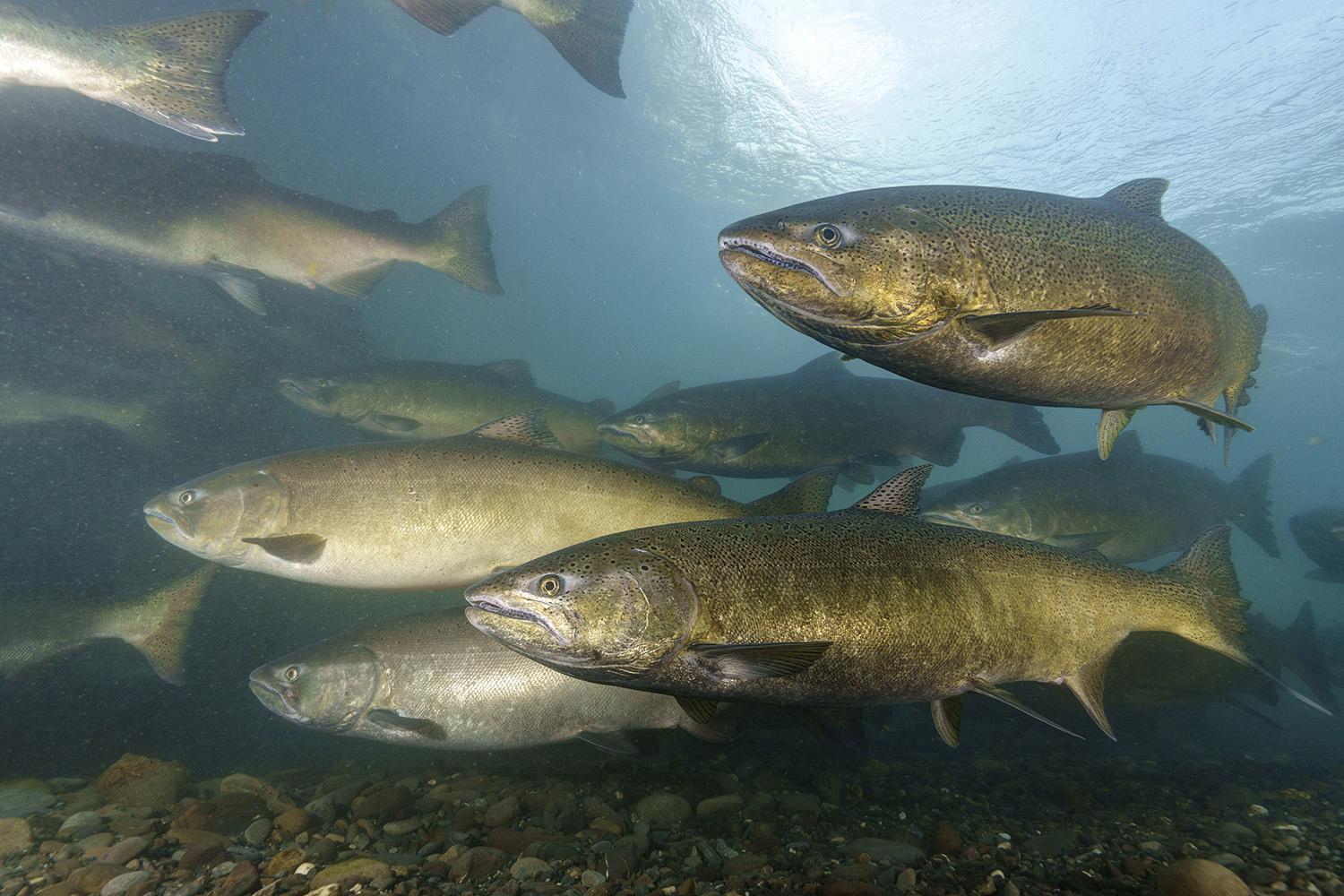
Spring Chinook are one of the most prized salmon in Oregon, and for good reason. These fish are powerful, bright, ocean-fed, and full of attitude when they first leave the Pacific and begin pushing toward their home rivers. Unlike fall Chinook, which often enter rivers closer to spawning time, spring Chinook arrive months early. They leave the ocean in spring, slide through bays and tidewater, and slowly work upstream toward cold-water holding areas where they will wait through summer before spawning later in the year.
That long inland journey is what makes spring Chinook so special. These fish are not just casually wandering into rivers. They are following scent, temperature, river flow, instinct, and survival. When the timing lines up — good water, fresh tides, and moving fish — spring Chinook fishing can be some of the most exciting salmon fishing Oregon has to offer.
How Spring Chinook Behave When They Leave the Ocean
When spring Chinook first leave the saltwater, they are usually bright, strong, and aggressive. These are ocean-conditioned fish, built from years of feeding in the Pacific. They enter coastal bays and river mouths with plenty of power, but their behavior changes quickly depending on water conditions.
In the lower river and tidewater, spring Chinook often move with the tides. On incoming tides, fish may push into bays, channels, and lower river sections. On outgoing tides, some fish hold in deeper slots, softer edges, or areas where current gives them cover. They are usually not looking for food in the same way they were in the ocean, but they will still strike bait, spinners, plugs, and well-presented gear out of instinct, irritation, or aggression.
As they move farther upstream, spring Chinook become more selective. They prefer cooler water, deeper holes, travel lanes, current seams, and shaded holding areas. During high, cold spring flows, they may move steadily upriver. When the river drops and clears, they often tuck into deeper pools and become harder to fool.
One important thing to remember is that spring Chinook are travelers first and biters second. You can have perfect bait, perfect gear, and perfect confidence, but if no fish are moving through, the river can feel empty. The best spring Chinook anglers pay attention to river height, water color, tide cycles, temperature, and recent catch reports.
What Triggers Spring Chinook Movement?
Spring Chinook movement is heavily influenced by water conditions. A fresh bump in river flow after rain can encourage fish to move out of tidewater and into the river. Slightly colored water often helps the bite because fish feel safer traveling and are less likely to spook.
Clear, low water can slow everything down. In those conditions, fish still move, but they may travel early, late, or at night, then hold in deeper water during the day. That is when stealth matters. Smaller presentations, longer leaders, natural bait, and careful boat positioning can make a difference.
Temperature also plays a major role. Spring Chinook like cold, oxygen-rich water. As spring turns into early summer, fish start seeking cooler tributaries, deeper pools, hatchery zones, and shaded canyon sections. This is why some rivers fish better lower in the system early in the season, then better upstream later as fish climb toward holding water.
Best Places to Fish Spring Chinook as They Head Upstream
Tillamook Bay and the Trask River
Tillamook Bay is one of Oregon’s classic spring Chinook destinations. Fish enter the bay from the ocean and begin staging before moving into rivers like the Trask, Wilson, Kilchis, Miami, and Tillamook. The Trask River is especially well known for spring Chinook, with many anglers focusing below the hatchery as fish push upstream.
In the bay, boat anglers often troll herring, spinners, or bait in travel lanes. In the river, anglers may fish bobber and eggs, back-bounced bait, plugs, or drift gear depending on water level. The lower river can be productive when fish are moving, while the upper sections near hatchery influence become more important as the season progresses.
Nestucca Bay and the Nestucca River
The Nestucca system is another solid north coast spring Chinook option. Fish move through Nestucca Bay and into the lower Nestucca River, with some also using the Little Nestucca. This fishery can be tide-influenced early, especially near the lower river and bay sections.
The Nestucca is a good place to think like a traveling salmon. Look for slots below riffles, soft seams along stronger current, deep bends, and resting water where fish can pause before climbing upstream. Spring Chinook here may not always arrive in big waves, but when fresh fish move in, the action can turn on quickly.
Siletz River
The Siletz River is one of the better-known central Oregon Coast systems for salmon and steelhead. Spring Chinook entering the Siletz move from the ocean through Siletz Bay and into tidewater before heading upstream. Early in the season, lower river and tidewater areas are worth watching. Later, fish continue pushing toward deeper holding water upriver.
The Siletz can be especially good after a modest rain that lifts the river without blowing it out. Bank anglers often focus on accessible holes, bends, and current seams, while boat anglers work traveling water and deeper slots. Because the Siletz has a mix of tidewater, canyon water, and holding pools, it rewards anglers who move around and adjust with conditions.
Alsea River
The Alsea is another central coast river where spring Chinook can move through tidewater and into upper sections as spring progresses. Fish often use lower river travel lanes before heading upstream. Tidewater can be worth fishing when fish are fresh from the bay, while upriver holes become more important as the season stretches toward summer.
The Alsea can be a patience game. Fish may move in small pushes, especially after rain or tide changes. Anglers who watch water conditions and focus on fresh movement often do better than those who sit in one spot all day hoping for a miracle.
Umpqua River System
The Umpqua system is a major spring Chinook destination in southern Oregon. Fish enter from the ocean at Winchester Bay, move through the lower Umpqua, and continue toward the mainstem and North Umpqua. This is big water, and spring Chinook here can be powerful, deep-running fish.
Lower sections can fish well when salmon are fresh from the ocean, while upstream areas become more important as fish move toward colder holding water. Because the Umpqua system often has specific rules and changing harvest limits, it is especially important to check current regulations before planning a trip.
Rogue River
The Rogue River is one of Oregon’s legendary salmon rivers. Spring Chinook enter from the ocean near Gold Beach and begin their long run upstream. In the lower Rogue, anglers often target fresh fish as they move out of tidewater. Farther upstream, fish travel through canyon water and eventually hold in cooler areas.
The Rogue is a river where timing matters. Lower river anglers often focus on fresh arrivals, while middle and upper river anglers wait for fish to move into their sections. Spring Chinook here can be aggressive when fresh, but they become more challenging the longer they sit in freshwater.
Columbia River and Willamette System
Although not exactly a small Oregon Coast river fishery, the Columbia and Willamette spring Chinook runs are some of the most famous in the region. These fish enter from the Pacific through the Columbia River mouth and move upstream, with many turning into the Willamette system.
The lower Columbia can produce fish as they move inland, while the Willamette, Clackamas, Sandy, McKenzie, and Santiam systems become important as the season develops. Early spring action often begins closer to the lower systems, while upper Willamette tributaries tend to become stronger later in spring and into early summer.
Best Water to Look For
Spring Chinook are not randomly scattered through the river. They use specific water depending on whether they are traveling or holding.
Good spring Chinook water includes deep outside bends, slots below riffles, current seams, soft edges beside heavy current, tidewater channels, hatchery approach zones, and cooler tributary mouths. In higher water, fish may travel close to the bank where current is softer. In lower, clearer water, they may hold deeper and become more sensitive to noise, shadows, and heavy gear.
One of the biggest mistakes anglers make is fishing water that looks comfortable to them instead of water that makes sense for a migrating salmon. A spring Chinook wants a route. It wants depth, flow, oxygen, and a place to pause without burning too much energy.
Best Tactics for Spring Chinook
Popular spring Chinook methods in Oregon include trolling herring in bays, bobber fishing with eggs, back-bouncing bait, running plugs, fishing spinners, and drifting bait through slots. The right tactic depends on the river, water level, and whether fish are moving or holding.
In tidewater and bays, trolling can be effective because it covers water and keeps gear in front of traveling fish. In rivers, bobber and eggs can be deadly in deep holes and soft seams. Plugs can work well from boats when fish are holding in slots. Spinners can be a good choice when the water has enough color and fish are active.
Fresh bait matters. Good eggs, properly cured, can make a huge difference. So can scent, clean gear, sharp hooks, and natural presentation. Spring Chinook are strong fish with tough mouths, so everything from your knots to your drag should be ready before the bite happens.
When Is the Best Time to Fish?
Spring Chinook fishing usually builds through spring and can continue into early summer depending on the river. Coastal bays and lower rivers are often best when fish are first entering from the ocean. Upriver sections usually improve after fish have had time to move inland.
Rain can create opportunity. A river that rises slightly and then starts dropping into good color can be prime. Too much rain can blow the river out, but a modest bump can pull fish upstream and improve the bite. On clear days with low water, early morning, evening, and tide changes may be your best windows.
Spring Chinook are not easy fish, they demand patience, timing, and a willingness to read water instead of just casting blindly. These salmon leave the ocean bright and strong, push through bays and tidewater, and climb Oregon’s rivers with one purpose burned into them by instinct.