Early Fall Mushroom Foraging on the Oregon Coast: A Treasure Hunt Through the Coastal Forest
When summer begins to fade and the first cool mornings settle over the Oregon Coast, the forests quietly come alive. While many visitors are still focused on beaches and scenic overlooks, another adventure is beginning beneath the towering Sitka spruce and western hemlock trees. Early fall marks the start of mushroom season, turning the damp coastal forests into one of the Pacific Northwest's greatest natural treasure hunts.
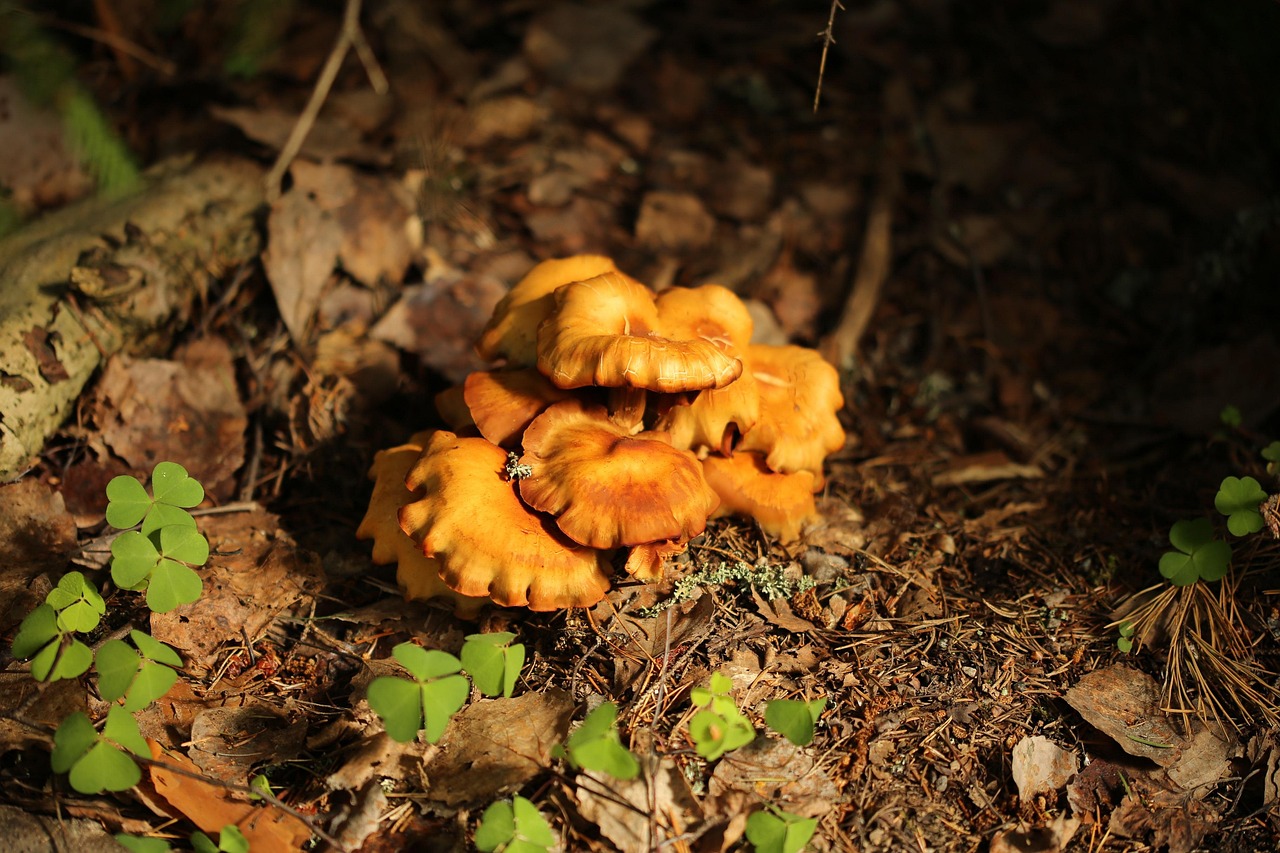
Unlike many outdoor activities that require expensive gear, mushroom foraging rewards patience, observation, and curiosity. Every winding forest trail becomes an opportunity to discover colorful fungi emerging from moss-covered logs, fallen branches, and thick layers of pine needles. The excitement isn't simply about finding edible mushrooms—it's about slowing down enough to notice an entirely different world growing beneath your feet.
The first autumn rains are the signal that experienced mushroom hunters have been waiting for. Moisture and cooler temperatures encourage many species to emerge throughout coastal forests stretching from Astoria to Brookings. Early in the season, observant hikers often begin spotting young chanterelles, lobster mushrooms, boletes, and a fascinating variety of colorful fungi decorating the forest floor. As the season progresses into October, diversity and abundance continue to increase.
Some of the best places to experience the beauty of mushroom season include the forests surrounding Cape Perpetua, Drift Creek, Cape Lookout, the Tillamook State Forest, and the southern coastal mountains near Brookings. Even if you never pick a single mushroom, simply photographing their incredible shapes and colors makes for an unforgettable hike.
One of the most rewarding aspects of mushroom hunting is that every trip is different. A trail that appeared empty one weekend may be covered in hundreds of mushrooms after a single rainstorm. Nature constantly changes the landscape, ensuring every adventure feels unique.
For beginners, however, identification should always come before collection. Oregon is home to delicious edible mushrooms, but also several toxic species that closely resemble them. Never eat a wild mushroom unless it has been positively identified by an experienced forager or qualified expert. Guided mushroom walks offered along the coast provide one of the safest and most enjoyable ways to learn the basics while discovering local ecosystems.
Early fall also offers another advantage over the busy summer season: quieter trails. The crowds have thinned, temperatures are comfortable for hiking, and the forests feel peaceful as morning fog drifts through towering evergreens. Birds remain active, salmon begin returning to coastal rivers, and the changing season creates an atmosphere unlike any other time of year.
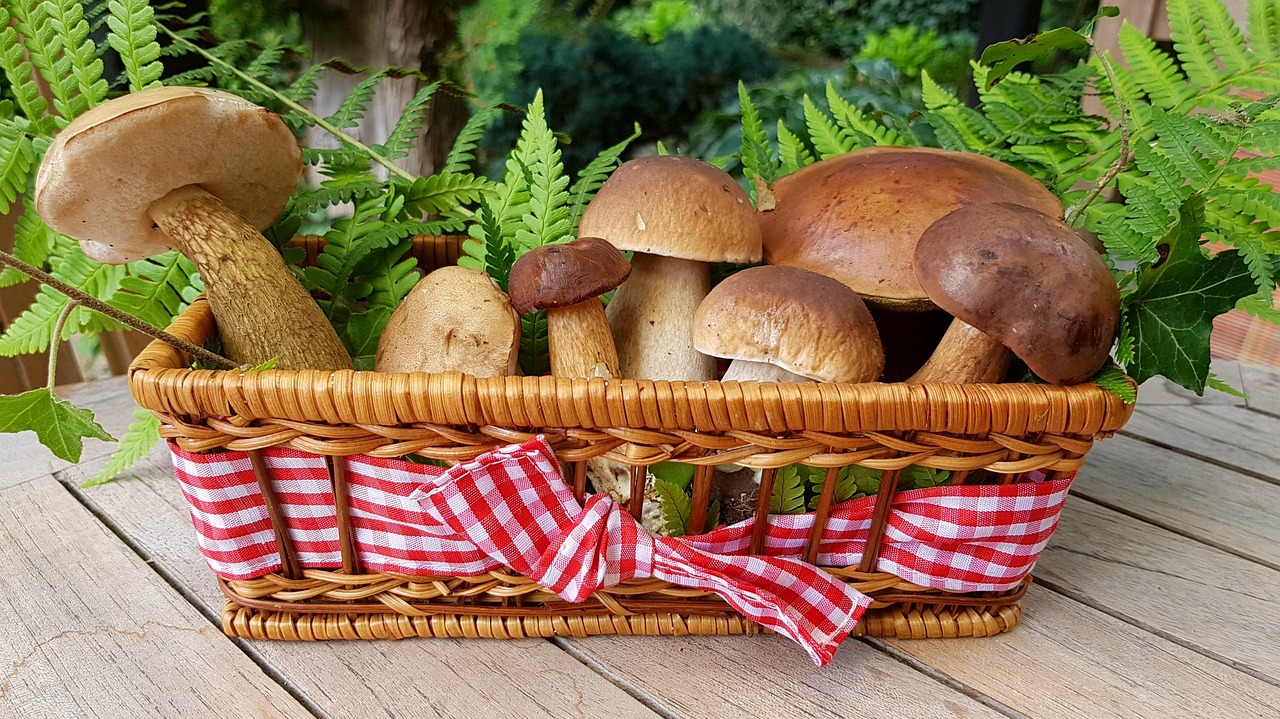
A successful mushroom outing doesn't have to end in the forest. Many coastal towns celebrate the arrival of fall with mushroom festivals, educational workshops, and seasonal menus featuring locally harvested fungi. Restaurants throughout the coast often showcase fresh chanterelles, porcini, and other seasonal specialties, allowing visitors to enjoy Oregon's wild harvest even if they prefer to leave the foraging to the experts.
It's a chance to trade crowded beaches for quiet forest trails, breathe the crisp scent of cedar and rain-soaked earth, and discover that some of the coast's greatest treasures aren't found along the shoreline—they're hiding just beneath the trees, waiting for those willing to slow down and look.