Frogs of the Oregon Coast: A Guide to the Amphibians of Coastal Wetlands
The Oregon Coast is known for crashing waves, misty forests, and quiet coastal wetlands—but among the reeds, moss, and shaded creeks lives a fascinating community of frogs. These amphibians thrive in the region’s cool, damp climate and play an important role in maintaining healthy ecosystems. From bright green tree frogs calling at dusk to well-camouflaged forest dwellers hiding beneath ferns, frogs are an often-overlooked part of the coastal wildlife experience.
Pacific Tree Frog (Pacific Chorus Frog)
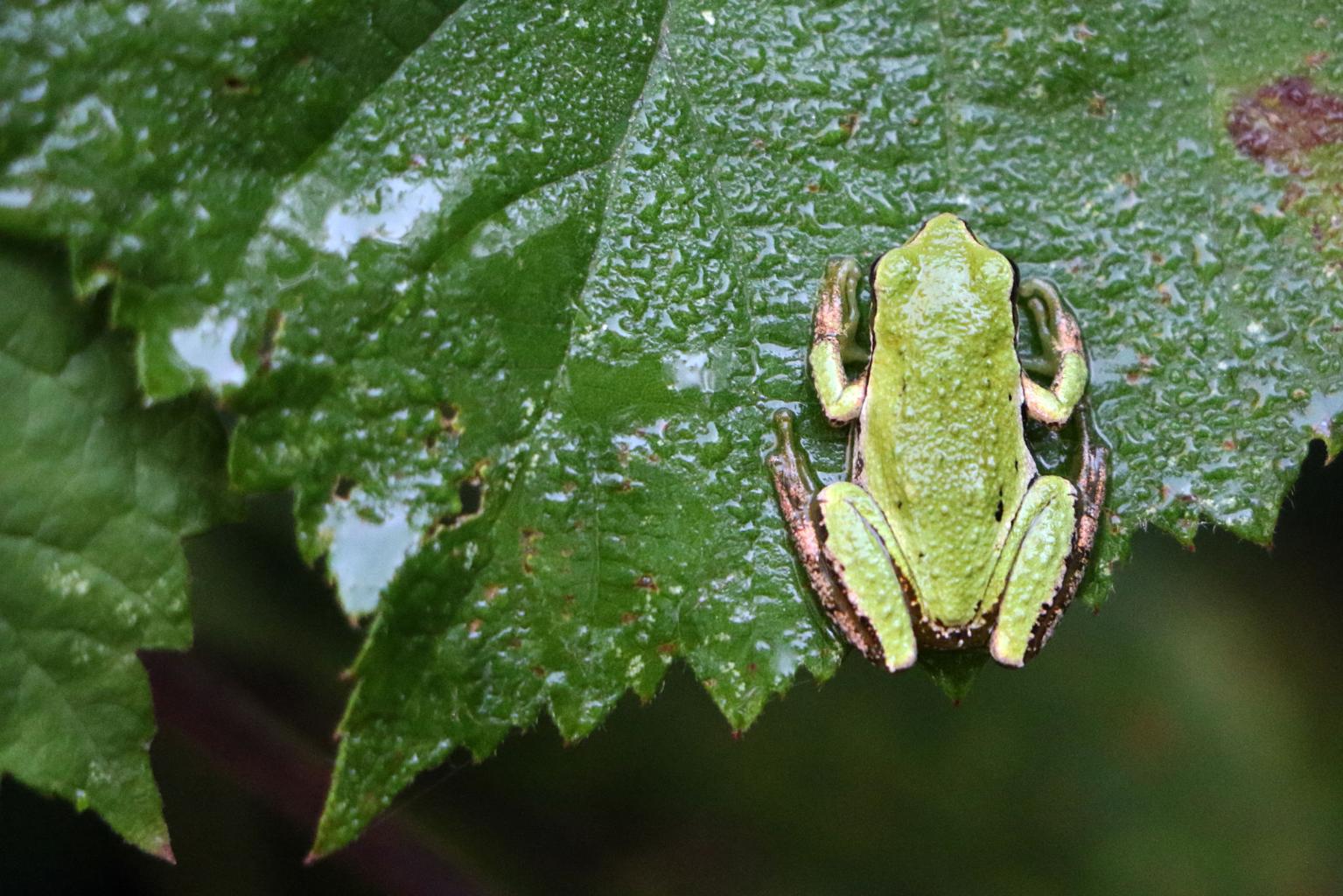
One of the most common and recognizable frogs on the Oregon Coast is the Pacific Tree Frog, also known as the Pacific Chorus Frog. Despite its small size—usually only about 1 to 2 inches long—this species has an incredibly loud voice. Their distinctive “ribbit” call is often heard during spring evenings near ponds, marshes, and roadside ditches.
Pacific Tree Frogs are masters of camouflage. Their color can range from bright green to brown or even reddish tones, allowing them to blend into moss, bark, and vegetation. A dark stripe running from the nose through the eye and down the shoulder is a defining feature.
These frogs are highly adaptable and can live in forests, grasslands, wetlands, and even suburban gardens. Along the Oregon Coast they are frequently found near freshwater ponds, slow-moving streams, and marshy coastal areas. Their diet consists mostly of insects, making them important natural pest controllers.
Northern Red-Legged Frog
The Northern Red-Legged Frog is one of the largest native frogs along the Oregon Coast. As its name suggests, it is known for the reddish coloration on the underside of its hind legs. This species prefers quiet, shaded environments such as forest ponds, slow creeks, marshes, and wetlands.
Unlike the more vocal Pacific Tree Frog, the Northern Red-Legged Frog tends to be shy and secretive. It often hides among fallen leaves, logs, and dense vegetation. When threatened, it quickly leaps into the water and disappears beneath the surface.
This species breeds early in the year, often between January and March. Females lay large clusters of eggs attached to underwater vegetation. Because these frogs depend on clean freshwater habitats, they are considered an indicator species—meaning their presence signals a healthy ecosystem.
Oregon Spotted Frog
The Oregon Spotted Frog is one of the rarest frogs in the Pacific Northwest and is listed as a threatened species. Historically found throughout western Oregon and Washington, its range has declined dramatically due to habitat loss and wetland changes.
This frog can be recognized by the distinctive dark spots scattered across its body and the reddish tones that often appear on its belly and legs as it ages. Oregon Spotted Frogs prefer warm, shallow wetlands with abundant aquatic plants.
Conservation groups and wildlife agencies in Oregon have been working to restore wetlands and protect breeding areas in hopes of rebuilding populations. Seeing one in the wild is rare but a special experience for wildlife enthusiasts.
Foothill Yellow-Legged Frog
Another frog occasionally found in coastal river systems is the Foothill Yellow-Legged Frog. This species prefers rocky streams and rivers where flowing water keeps the habitat cool and oxygenated.
Its coloring typically includes brown or olive tones with subtle patterning that helps it blend into rocky riverbeds. As its name suggests, the undersides of the legs are often yellowish.
Unlike frogs that breed in still ponds, Foothill Yellow-Legged Frogs attach their eggs to submerged rocks in flowing water. Because they depend heavily on natural river conditions, they can be sensitive to changes in water flow and habitat disturbance.
When and Where to See Frogs on the Oregon Coast
The best time to observe frogs along the Oregon Coast is from late winter through spring, when breeding season begins and males start calling for mates. Wetlands, forest ponds, marshes, and slow coastal streams are ideal places to listen for their distinctive calls.
Some excellent coastal locations where frogs may be spotted include:
- Coastal marshes and wetlands near estuaries
- Freshwater ponds in coastal forests
- Slow-moving creeks and backwaters
- Protected wildlife areas and nature reserves
Walking quietly along trails near water at dusk often increases the chances of hearing or seeing frogs.
Frogs are vital to the balance of coastal ecosystems. They serve as both predator and prey—eating insects while providing food for birds, snakes, fish, and mammals. Their sensitive skin also makes them particularly vulnerable to pollution and environmental changes.
Because of this, scientists often monitor frog populations as indicators of environmental health. When frogs thrive, it usually means the surrounding wetlands and waterways are in good condition.
A Hidden Voice of the Coastal Forest
While whales, seabirds, and sea lions often steal the spotlight along the Oregon Coast, frogs provide a quieter but equally important presence. On misty evenings near a coastal marsh or forest pond, their calls create a natural chorus that echoes through the trees.
For hikers, wildlife watchers, and nature photographers, taking a moment to listen for frogs can reveal a hidden world of amphibian life thriving in the wetlands and forests of Oregon’s beautiful coastline.