Glass Floats of the Oregon Coast: Maritime History Carried by the Sea
On the shores of the Oregon Coast, beachcombers often search the sand with hopeful eyes, scanning driftwood piles and rocky tide lines for a rare and beautiful treasure: the glass float. These smooth, colorful spheres once served a practical purpose in the commercial fishing industry, but today they represent a fascinating piece of maritime history and a beloved coastal tradition.
From Japan’s fishing fleets to the beaches of the Pacific Northwest, the journey of glass floats is a story shaped by ocean currents, international trade, and the enduring mystery of the sea.
Origins of Glass Fishing Floats
Glass floats were first developed in Norway in the mid-1800s as a durable alternative to wooden fishing floats, which often rotted or became waterlogged. By the early 20th century, Japanese fishermen had adopted and perfected the use of glass floats, manufacturing millions of them for commercial fishing nets.
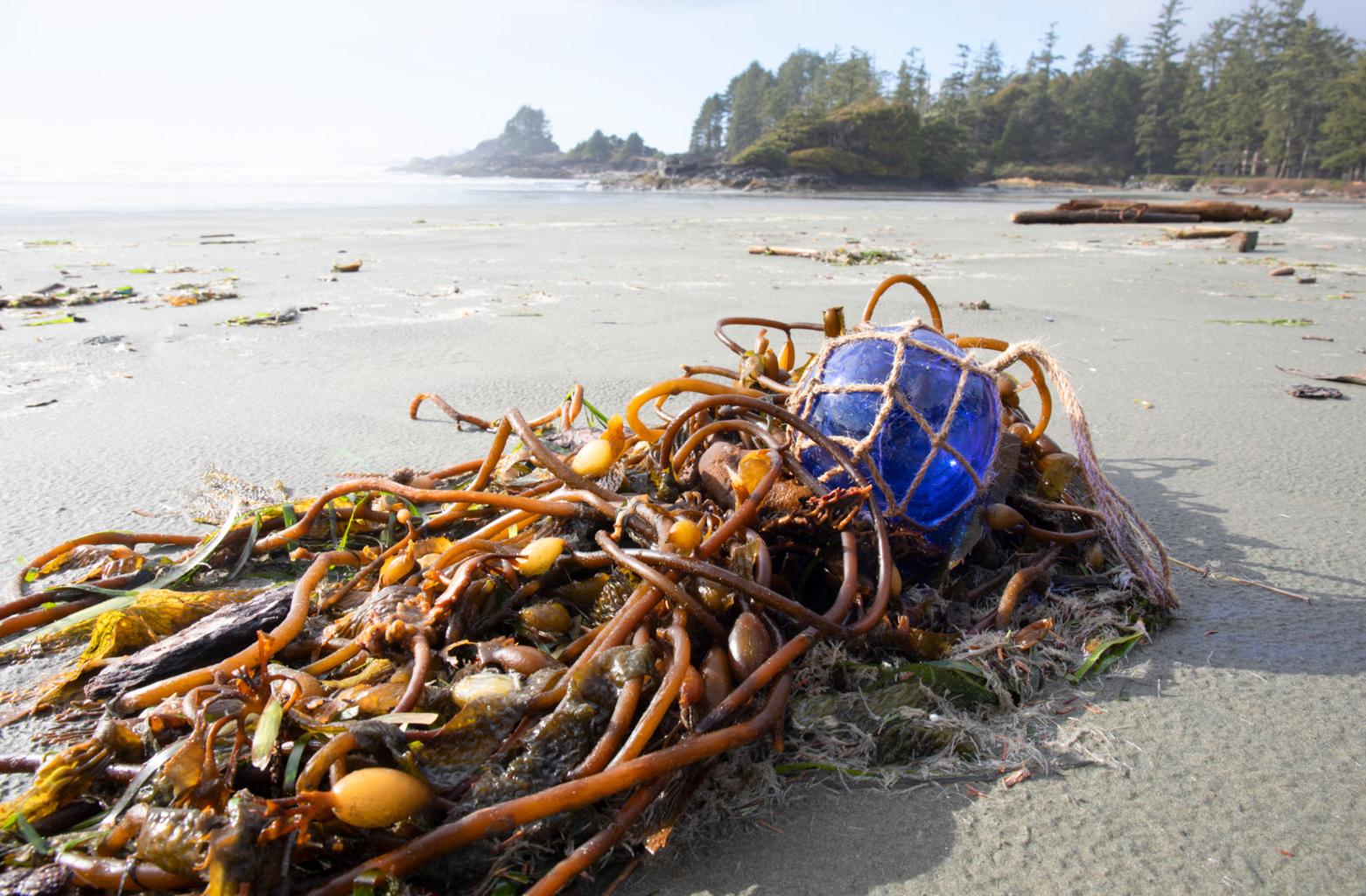
These floats were typically hand-blown from recycled glass and sealed with a small button or “pontil mark,” the spot where the glassblower’s rod was removed. Most floats were enclosed in rope netting that allowed them to be attached to fishing gear.
Japanese fisheries used the floats to keep massive drift nets afloat while fishing for species such as salmon, cod, and sardines across the North Pacific Ocean.
How Glass Floats Reached Oregon
The glass floats that wash ashore along the Oregon Coast are carried by one of the largest ocean circulation systems on Earth: the North Pacific Gyre.
When fishing nets broke free during storms or were lost at sea, the glass floats attached to them would drift across the Pacific Ocean. Ocean currents gradually carried them eastward toward North America.
The typical journey followed this path:
- Nets were lost in Japanese fishing waters.
- The Kuroshio Current pushed them north and east.
- The North Pacific Current carried them toward North America.
- Winter storms and tides eventually pushed the floats onto the beaches of Oregon, Washington, British Columbia, and Alaska.
This voyage could take several years, sometimes even decades.
The Beachcombing Boom of the 1960s and 1970s
By the mid-20th century, beachcombers along the Oregon Coast began discovering glass floats regularly. During the 1960s and 1970s, a full-blown treasure hunt culture developed as collectors searched the beaches after winter storms.
The most commonly found floats were green or aqua-colored spheres about the size of grapefruits. However, rarer colors such as blue, amber, purple, and clear glass became prized finds.
Collectors often looked for:
- Large floats up to 18 inches in diameter
- Unique maker’s marks stamped into the glass
- Unusual colors such as cobalt blue or lavender
- Rolling pin floats, long cylindrical floats used for gill nets
For many coastal residents, finding a glass float became a badge of honor and a connection to the vast Pacific beyond the horizon.
Why Glass Floats Are Rare Today
The golden era of glass float discoveries largely ended in the 1970s. As modern fishing technology advanced, glass floats were replaced with plastic and aluminum buoys that were cheaper and less fragile.
Because of this shift, far fewer glass floats entered the ocean after the late 20th century. Many of the floats that still wash ashore today have been drifting for decades.
Additionally, decades of beachcombing have already recovered many of the floats that once circulated through the currents.
Still, every winter storm renews the possibility of discovery.
Where to Look for Glass Floats on the Oregon Coast
While glass floats can technically wash up anywhere along the coast, certain areas are known for good beachcombing conditions. These beaches have strong winter currents and large driftwood piles where floats can become trapped.
Popular float-hunting locations include:
- Lincoln City beaches
- Newport and Beverly Beach
- Florence area beaches
- Gold Beach and the southern Oregon Coast
- Remote beaches near Cape Blanco
The best time to search is typically after strong winter storms, when tides push debris high onto the beach.
Early morning beach walks often give the best chance before other beachcombers arrive.
The Lincoln City Glass Float Tradition
One of the most famous modern traditions connected to glass floats happens in Lincoln City, Oregon. Each year, local artists hide thousands of hand-blown glass floats along the beaches for visitors to find.
The event, called “Finders Keepers,” turns beachcombing into a treasure hunt and celebrates the historic connection between the Oregon Coast and the drifting glass floats of the Pacific.
Unlike the original fishing floats, these modern floats are brightly colored works of art and are meant to be taken home by whoever finds them.
A Symbol of Ocean Adventure
Today, glass floats have become symbols of the ocean’s mysterious journeys. Each float tells a silent story of fishermen, storms at sea, and the long drifting paths of ocean currents.
For Oregon Coast beachcombers, spotting that faint glimmer of green glass in the sand still sparks excitement. It’s a reminder that the Pacific Ocean connects distant cultures and carries fragments of maritime history across thousands of miles of water.
Even in an era of modern fishing gear, the legend of the glass float continues to drift ashore—one tide at a time.