Hiking Cook’s Ridge: Losing Myself in the Forest Above the Oregon Coast
I didn’t come to Cook’s Ridge looking for ocean views. I came because I wanted the quiet you only get when the forest closes in and the rest of the world fades out. Down into the Cape Perpetua Scenic Area just south of Yachats, Cook’s Ridge was exactly that: miles of deep coastal forest, steady climbing, and the kind of solitude that makes you slow down whether you like it or not. I started at the Cape Perpetua Visitor Center, shouldered my pack, and stepped onto the trail. Within minutes, the sound of Highway 101 disappeared. The forest swallowed me whole.
Climbing Into the Green
The Cook’s Ridge Trail wastes no time pulling you uphill, but it does it gently. The grade is steady, never punishing, and perfect for finding a rhythm. As I climbed, towering Sitka spruce and western hemlock rose above me like pillars. Everything was damp, even on a dry day — moss clung to fallen logs, tree trunks glowed green in the filtered light, and sword ferns spilled across the forest floor in every direction.
This part of the hike felt almost meditative. No big views, no distractions. Just dirt trail, roots underfoot, and the soft sound of wind moving through the canopy. The deeper I went, the quieter it got, until the only noise was my own breathing and the crunch of boots on soil.
Every now and then I’d stop, not because I needed to rest, but because the forest demanded it. Massive nurse logs supported entire generations of younger trees, and twisted roots crossed the trail like sculptures. It felt ancient and so untouched..
Reaching the Ridge
As I gained elevation, the forest subtly changed. The air felt a little drier, the trees spaced out just enough to let in more light. The trail along the ridge had a different energy — exposed roots, wind-shaped trunks, and a sense that storms rolling in from the Pacific had been shaping this place for centuries.
There were no dramatic viewpoints up here, but that didn’t matter. Standing on the ridge, surrounded by towering trees, I felt completely removed from the coast below. It was easy to forget how close the ocean really was.
Dropping Down to Gwynn Creek
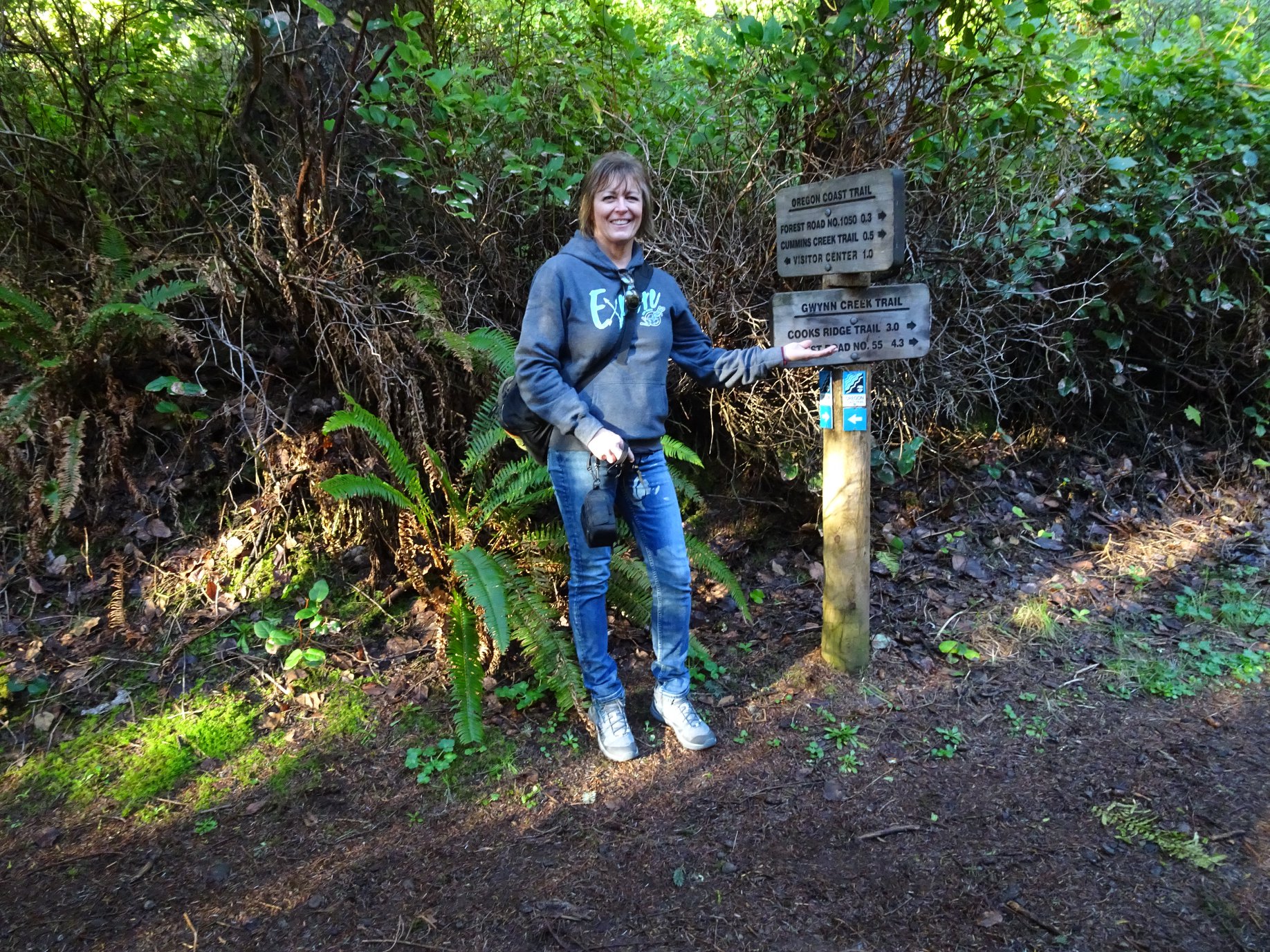
Eventually, I turned onto the Gwynn Creek Trail, and the hike shifted gears. The trail tipped downhill and followed the drainage into a cooler, wetter section of forest. The sound of water slowly crept back into the experience — first as a distant murmur, then as small creeks crossing the trail.
This stretch felt especially wild. The forest closed in again, moss thickened, and the ground stayed soft underfoot. Fallen trees lay across the creek like natural bridges, and everything smelled like wet earth and cedar. I slowed my pace here, not wanting to rush through it.
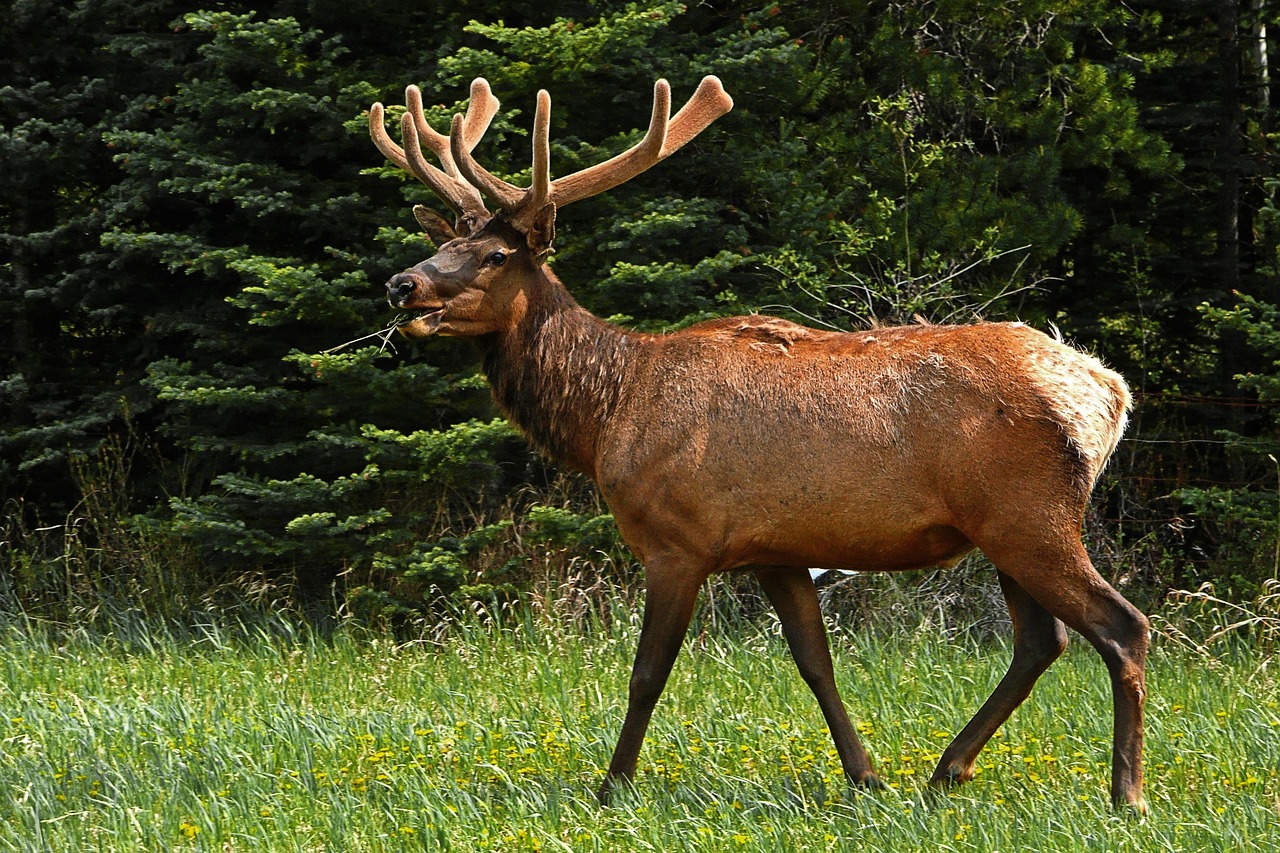
It’s the kind of place where you expect to see elk tracks in the mud or spot mushrooms pushing up through the leaf litter. Even when I didn’t see wildlife, the forest felt really busy with life.
Following the Oregon Coast Trail
Near the end of the loop, the trail merged with a section of the Oregon Coast Trail. I could tell I was getting closer to civilization, but the forest still held on. Through gaps in the trees, I caught brief glimpses of the Pacific far below. On the breeze, I could hear the faint crash of waves, a reminder that the ocean was still there, even if I couldn’t see it.
That contrast stuck with me — hiking through dense forest while the power of the coast lingered in the background. It felt uniquely Oregon.
Wrapping Up the Loop
As I made my way back toward the visitor center, the sounds of people and cars slowly returned. The loop closed quietly, without fanfare, which felt fitting. Cook’s Ridge doesn’t announce itself. It just offers a deep, immersive forest experience and lets you take from it whatever you need.
By the time I stepped out of the trees, I felt grounded, calm, and pleasantly worn out. The kind of tired that comes from steady miles and fresh air, not from chasing highlights.
Hiking Cook’s Ridge was never about checking off a viewpoint or snapping the perfect photo. It was about stepping into the heart of the Oregon Coast forest and letting it set the pace. The climb, the ridge, the cool descent along Gwynn Creek — it all flowed together into an experience that felt timeless and deeply personal. So if you’re looking for a hike that trades scenery for atmosphere, solitude, and old-growth beauty, Cook’s Ridge is absolutely worth your time. It’s the Oregon Coast turned inward, and I’d hike it again in a heartbeat.