Hug Point Falls, Oregon: A Coastal Waterfall You Can Walk To
Along a stretch of the northern Oregon Coast, just south of Cannon Beach, sits one of the state’s most charming and accessible beach waterfalls — Hug Point Falls. Located within Hug Point State Recreation Site, this seasonal cascade spills directly over sandstone cliffs onto the sand below, creating one of the most photogenic and unique coastal scenes in Oregon. It’s the entire setting: sea caves carved by relentless Pacific waves, tide pools filled with colorful marine life, towering headlands, and even visible wagon wheel ruts etched into stone from the 19th century. It’s one of those places where geology, history, and wildlife all meet in one compact, easy-to-explore beach.
Where Is Hug Point Falls?
Hug Point is located about 5 miles south of Cannon Beach and about 8 miles north of Arch Cape, directly off U.S. Route 101. It’s roughly a 90-minute drive from Portland, making it a perfect day trip from the city.
The waterfall itself flows from a small creek that drops over the cliffs at the north end of the beach. During rainy seasons, especially fall and winter, the cascade can be surprisingly strong. In late summer, it often becomes a lighter, delicate ribbon of water.
How to Get There
Getting to Hug Point Falls is straightforward, but timing your visit with the tides is critical.
Driving Directions
From Portland:
- Take US-26 west toward the coast.
- Merge onto Highway 101 south at Seaside.
- Drive approximately 10 miles south past Cannon Beach.
- Watch for signs for Hug Point State Recreation Site on the right-hand (west) side of the highway.
There is a small parking lot directly off Highway 101. It can fill quickly on summer weekends, so arriving early is recommended.
Walking to the Falls
From the parking lot:
- Follow the short trail down to the beach (less than a quarter mile).
- Once on the sand, turn right (north).
- Walk along the shoreline for several hundred yards toward the rocky headland.
You’ll soon see the waterfall cascading down the cliff into a shallow pool on the beach.
The walk is easy and flat, but you will be walking on sand, so comfortable footwear helps.
The Importance of Tides
Hug Point is one of those places where the ocean controls everything.
At high tide, much of the beach disappears and waves push right up against the cliffs. This can make it impossible — and sometimes dangerous — to reach the waterfall or explore the sea caves.
For the best experience:
- Visit during low tide or within an hour before or after low tide.
- Always check a tide chart before heading out.
- Never turn your back on the ocean.
- Be aware that sneaker waves are common on the Oregon Coast.
Low tide opens up the entire cove, revealing tide pools, caves, and the historic road remnants that give Hug Point its name.
Wildlife at Hug Point Falls
Hug Point may feel peaceful and tucked away, but it’s full of life — both marine and terrestrial.
Tide Pool Marine Life
At low tide, the rocky areas near the waterfall and headland reveal vibrant tide pools. You may see:
- Ochre sea stars in orange and purple hues
- Giant green anemones
- Hermit crabs
- Mussels and barnacles
- Small sculpin fish darting between rocks
- Limpets and chitons clinging tightly to stone
These ecosystems are fragile. It’s important to look, not touch, and avoid stepping directly into tide pools whenever possible.
Marine Mammals
While not guaranteed, you may spot:
- Harbor seals resting offshore
- Sea lions occasionally passing through
- Gray whales during migration season (December–January and March–May)
Bring binoculars if you enjoy wildlife viewing.
Birds
The cliffs and shoreline attract a variety of coastal birds, including:
- Western gulls
- Pelagic cormorants
- Black oystercatchers
- Bald eagles overhead
- Sandpipers skittering along the surf
The mix of rocky shoreline and sandy beach creates excellent feeding habitat for shorebirds.
Coastal Forest & Land Wildlife
Above the beach, the surrounding forest includes Sitka spruce, shore pine, and salal. In quieter moments, you might spot:
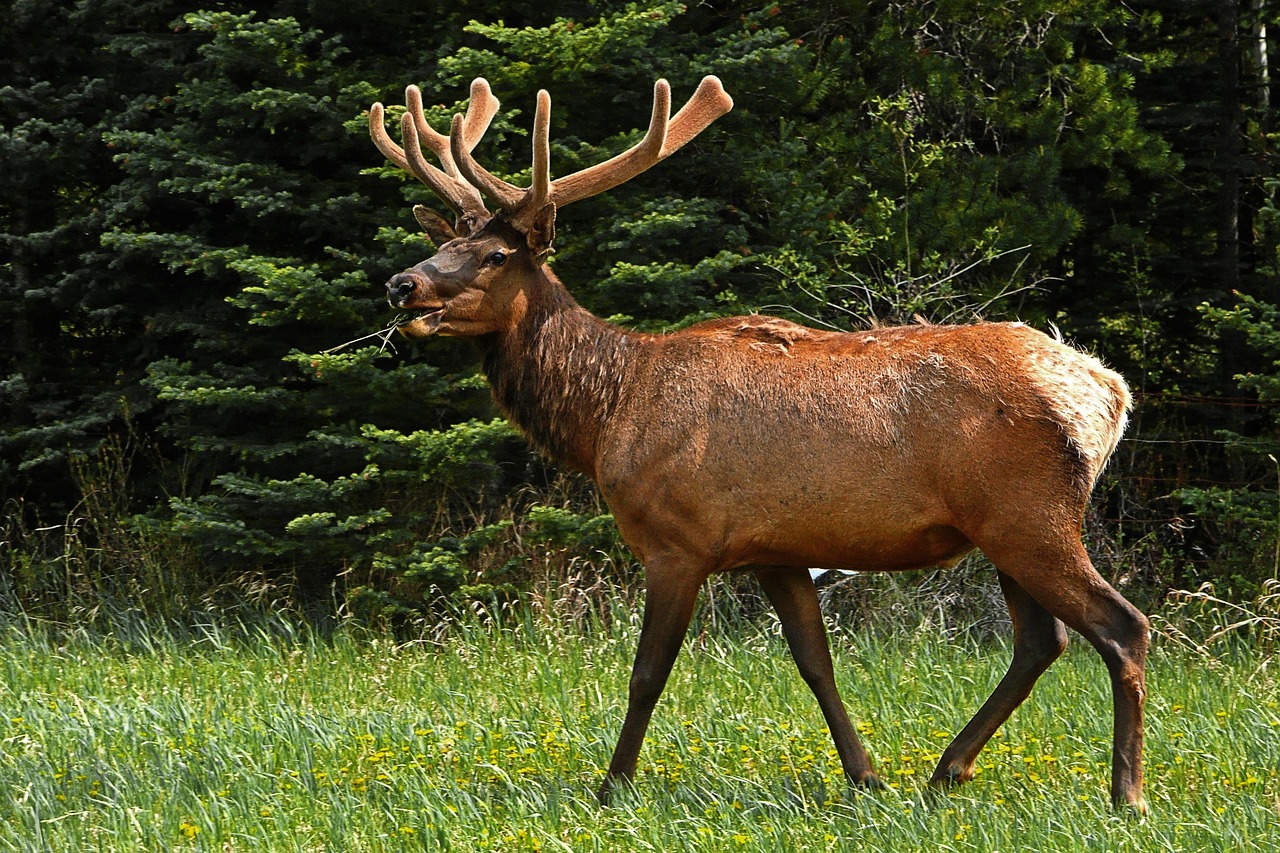
- Roosevelt elk in nearby coastal meadows (more common farther south but possible in the region)
- Black-tailed deer
- Raccoons
- Various songbirds in the treeline
A Glimpse Into History
Before Highway 101 was built, early travelers navigated the coastline by literally “hugging” the point at low tide. Horse-drawn stagecoaches carved wheel ruts into the sandstone cliffs to pass around the headland.
If you visit at very low tide and walk slightly north of the waterfall, you can still see these historic grooves etched into the rock — a remarkable reminder of coastal travel before modern roads.
Best Time to Visit
Each season offers something different:
Winter
- Strongest waterfall flow
- Dramatic storm waves
- Fewer crowds
Spring
- Whale migration viewing
- Wildflowers beginning to bloom
- Steady waterfall flow
Summer
- Easiest beach walking
- Smaller waterfall
- Busy parking lot
Fall
- Fewer visitors
- Increasing waterfall flow after rains
- Moody coastal atmosphere
For photographers, early morning light is beautiful here, especially when it hits the waterfall and sandstone cliffs.
What to Bring
- Waterproof jacket (coastal weather changes quickly)
- Sturdy shoes or sandals that can handle wet sand
- Tide chart app or printed tide schedule
- Camera
- Binoculars for wildlife
- Drinking water (no services on site)
There are restrooms at the parking area, but no food vendors or stores.
Nearby Attractions
If you’re making a day of it, consider combining Hug Point with:
- A visit to Haystack Rock in Cannon Beach
- A hike at Oswald West State Park
- A scenic drive south toward Manzanita
- Exploring Arcadia Beach just north of Hug Point
The entire stretch of coastline here is dramatic and worth exploring.
Hug Point Falls is one of the rare places where you can walk right up to a waterfall that meets the ocean. It’s accessible, visually stunning, rich in wildlife, and layered with history. It’s not a long hike. It’s not remote wilderness. But it delivers a uniquely Oregon Coast experience in a compact, memorable visit. If you time the tides right and bring a little curiosity, you’ll leave with sandy shoes, wind-tousled hair, and a camera full of photos.