.jpeg)
Klaskanine Hatchery Near Astoria, Oregon
In the wet mossy Coast Range just east of Astoria, Klaskanine Hatchery props up a whole web of fisheries: local sport opportunities, select-area commercial harvest, and a lot of behind-the-scenes recovery work that most people never see unless they stop by during the fall salmon season. What follows is a “how it works / why it matters” tour—history, water and infrastructure, fish production targets, and the big fish-passage restoration projects happening around the hatchery.
Quick facts
- Where it is: On the North Fork Klaskanine River about 12 miles southeast of Astoria on Highway 202.
- Address / phone: 82635-202 Hatchery Road, Astoria, OR 97103 • (503) 325-3653.
- Public access: Staffed 7:30 a.m.–4:30 p.m., but visitors are welcome dawn to dusk.
- Best time to visit: September–October (when adult Chinook are typically around and operations are busy).
- What it raises (core focus): Fall Chinook and winter steelhead are highlighted for visitors, and the facility is also a key rearing/acclimation site for coho and Chinook tied to the SAFE program.
1) A little history
The site was first operated in 1911, which puts it in the early era of fish culture—back when hatcheries were often built as a direct response to declining runs and expanding harvest pressure.
A major turning point came in 1959, when the facility was enlarged and renovated under the Columbia River Fisheries Development Program (Mitchell Act)—a federal mitigation effort intended to help offset losses to salmon and steelhead caused by development (especially hydropower) in the Columbia Basin.
Today, Klaskanine Hatchery is tightly linked to the SAFE (Select Area Fisheries Enhancement) approach—raising salmon that are intended to return to specific “select areas” where harvest can be focused while reducing pressure on naturally spawning fish.
2) The setting
Hatcheries are basically fish factories powered by two things: cold, clean water and reliable flow.
Klaskanine Hatchery sits on 16.56 acres (owned by Oregon Department of Fish and Wildlife) at low elevation near tidewater influence, and it’s supplied by gravity flow from two intakes (one on the North Fork Klaskanine River and another on the North Fork of the North Fork Klaskanine River).
A few details that matter a lot operationally:
- The water right is listed as 22,442 gallons per minute (about 50 cfs), though maximum use is lower (around 11,000 gpm).
- Summer/fall flows are limiting, and the hatchery can be constrained to roughly 1,600 gpm on the low end—right when warm temps and low water can also stress fish.
- The delivery system can also limit how much water can be used during high flows (infrastructure bottlenecks are a real thing).
Infrastructure-wise, the hatchery includes multiple raceways (some dating back to the 1950s), incubation capacity, and a rearing pond/lake—i.e., it’s built to move fish through life stages from eggs to smolts.
3) What gets produced here
Hatchery program type: “harvest”
In Oregon hatchery policy language, Klaskanine Hatchery’s programs are categorized as harvest programs—built to provide fish for fisheries without (in theory) undermining naturally reproducing populations.
The plan is explicit about mitigation goals tied to habitat loss and migration blockage from the Columbia Basin hydropower system.
Annual production targets (smolt goals)
From the hatchery’s program management plan, the headline targets include:
- Fall Chinook (Select Area Bright stock): 1,000,000 smolts released into the North Fork Klaskanine River.
- Spring Chinook (North Santiam stock): 500,000 smolts acclimated for release into the North Fork Klaskanine River.
- Coho (Big Creek stock): 1,400,000 smolts for release into the North Fork Klaskanine River.
- Winter steelhead (Big Creek stock): about 40,000 smolts acclimated for release into the North Fork Klaskanine River.
Those numbers are the plan—actual releases can shift year to year due to funding, brood availability, disease constraints, and statewide program needs.
4) The hatchery life cycle, Klaskanine-style
Even if you’ve never seen a hatchery work, the basic flow is pretty intuitive:
Step A: Adults arrive and are handled (selectively)
Adult collection and spawning windows vary by species/stock, but the plan outlines patterns like:
- Fall Chinook adults held for spawning in the fall;
- Coho adults held September–November;
- Winter steelhead adults may be held November–February (depending on stock and program needs).
A key detail that often gets missed: for some wild stocks, adults may be passed above the hatchery barrier and allowed to spawn naturally—part of how hatchery operations try to avoid “vacuuming up” wild fish.
Step B: Incubation and early rearing
Eggs may be incubated on-site or transferred between facilities (Klaskanine works in a network with other Oregon hatcheries). For example, the plan describes receiving eyed eggs or pre-smolts from other facilities, then finishing them to release size.
Step C: Rearing, acclimation, and release timing
Hatcheries don’t just “raise fish big and dump them.” Release timing and size are tuned to push fish into a real smolt migration window—so they head downstream quickly instead of milling around and interacting heavily with wild juveniles.
Klaskanine’s plan describes strategies like:
- Rearing fish to size so smoltification is broadly synchronized (to shorten downstream residency).
- Using parent-river water / acclimation to improve homing and reduce straying.
Some example timing notes in the plan:
- Fall Chinook are released around mid-July at a specified size target.
- Spring Chinook and coho releases tend to cluster late April–early May, depending on the group.
- Winter steelhead smolts are released around mid-April.
Step D: Marking and tracking
A lot of hatchery fish are marked (like adipose fin clips) and some are coded-wire tagged so managers can estimate survival, harvest contribution, and stray rates. The Klaskanine plan includes explicit tagging/marking targets for several releases.
5) How this ties into SAFE and local fisheries
Klaskanine Hatchery isn’t operating in a vacuum—it’s part of a bigger Columbia River estuary strategy that tries to create productive, harvestable returns in specific locations (often using net pens and select-area release strategies).
Locally, this intersects with the work of Clatsop County Fisheries Department, which describes SAFE as a collaborative, Bonneville-funded mitigation effort and notes contracts/production associated with its facilities (including large annual salmon smolt outputs at its South Fork Klaskanine facility).
And place-wise, the Klaskanine system is a tributary connected to Youngs Bay—a name that matters because “select areas” in and around the estuary can concentrate returning hatchery adults and shape harvest opportunities.
6) The big modern storyline
Here’s where Klaskanine gets extra interesting.
Historically, fish passage in the North Fork Klaskanine system was blocked by multiple diversion structures tied to hatchery water supply and management. That’s not unusual—many hatcheries were built in eras when blocking and sorting fish was considered normal and desirable. But modern recovery priorities (especially for ESA-listed fish) push strongly toward reconnecting habitat while still keeping the hatchery functional.
The three-intake/dam picture (simplified)
A federal project description summarizes the setup as three water diversion dam structures (Intake #1 “Ogee Dam,” Intake #2, Intake #3 “North Fork Dam”) that historically blocked passage while supplying hatchery water.
What’s already happened
According to that same project description:
- One hatchery dam was removed in 2020.
- A “nature-like” fish passage structure was built at a second dam in 2022, opening passage upstream of that point.
What’s planned / in motion: Ogee Dam (the “last big one”)
ODFW’s IIJA project summary states that providing fish passage at Ogee Dam is designed to unlock 12 miles of spawning and rearing habitat, specifically noting benefits for ESA-listed coho and other native/culturally significant species (like coastal cutthroat trout and lamprey).
The U.S. Fish and Wildlife Service also frames the North Fork Klaskanine as one of the first major watersheds ocean-returning fish encounter in the lower river/estuary zone, and discusses the sequence of dams and passage work—including the ecological knock-on effects when fish (like lamprey) get pinned below barriers.
And from an engineering perspective, a project writeup notes that one approach has been to keep diversion function (so the hatchery still gets water) while building a roughened channel that fish can move through—basically turning an abrupt barrier into a passable, stream-like ramp.
Why this matters: If you’re trying to recover wild fish, connected habitat is the currency. Opening 12 miles of upstream habitat can improve resilience (cold-water refugia, winter rearing areas, more spawning gravel options), especially in a system where seasonal low flow and temperature can be tough.
7) What you’ll actually see if you visit
Klaskanine Hatchery is a practical, working facility—not a theme park—so what you see depends on season.
- Fall (Sept–Oct): Often the best window for seeing adult Chinook and active on-site work (handling, sorting, spawning steps depending on timing).
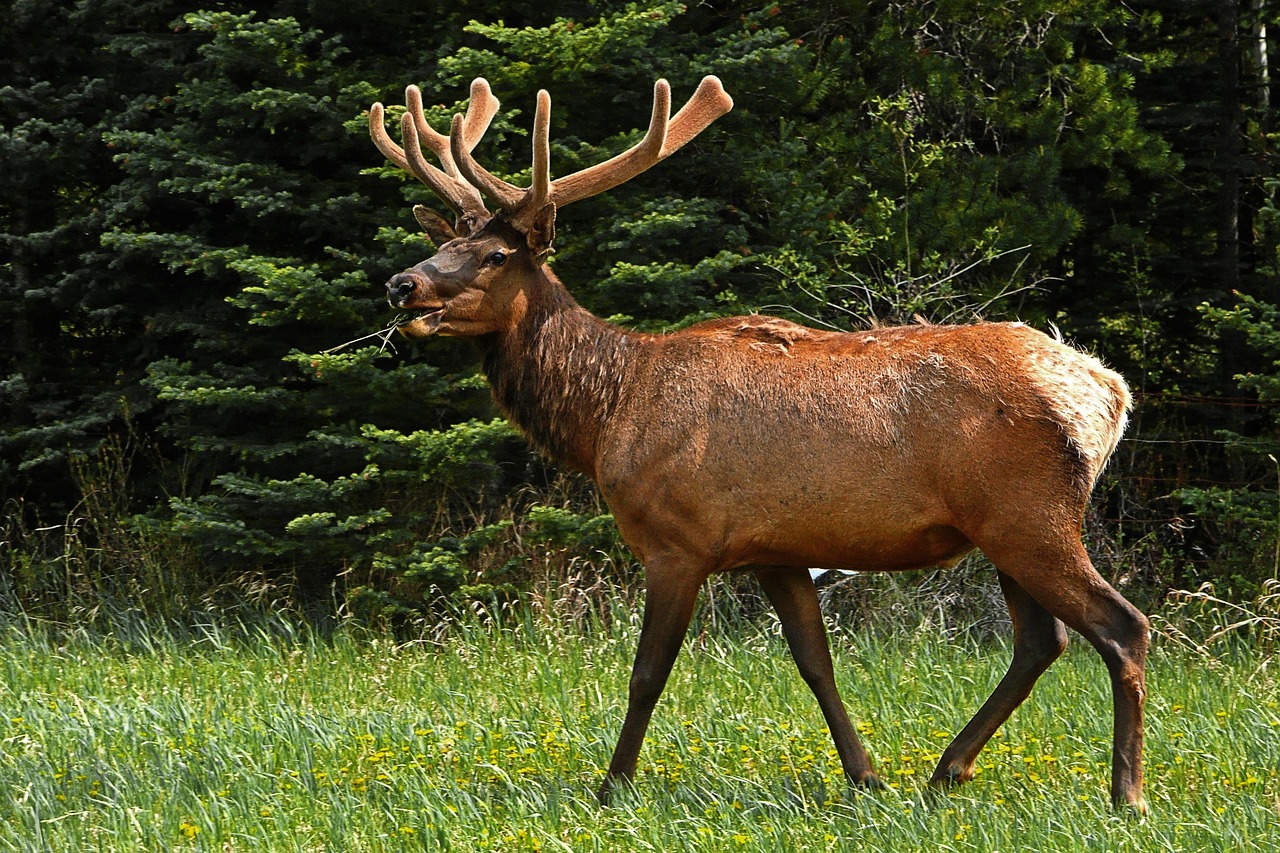
- Other times: You may mostly see raceways, water moving through the system, and the surrounding wildlife (waterfowl, wading birds, elk in the broader area).
If you go: treat it like a hatchery and not a petting zoo—stay out of restricted areas, don’t feed fish, and don’t assume every worker you see can stop mid-task (some of those windows are time-sensitive).
8) The honest “why hatcheries are complicated” section
Hatcheries help create fishing opportunity and targeted harvest. But they also come with real biological tradeoffs—especially if hatchery fish interact heavily with wild fish (competition, predation, disease risk, genetic introgression if straying is high).
What’s notable in the Klaskanine plan is how directly it calls out mitigation strategies:
- designing rearing/release to reduce ecological interactions,
- using acclimation and parent-river water to reduce straying,
- and emphasizing disease prevention and health management as core objectives.
So: it’s not “hatchery good” or “hatchery bad.” It’s a constant management balance, and the fish passage projects around the hatchery are a good example of how the balance keeps evolving.