Muriel Ponsler State Scenic Viewpoint :A Quiet Escape on the Oregon Coast
Just north of Florence along Highway 101 sits one of the most quietly beautiful stretches of coastline in the state. Muriel Ponsler State Scenic Viewpoint isn’t built for crowds or commercial tourism — it’s built for people who appreciate space, wind, salt air, and the feeling of being small beside the Pacific.
Unlike Oregon Coast hotspots packed with parking lots and visitor centers, Muriel Ponsler feels understated. A small roadside turnout leads to a short, forested path — and then suddenly, the trees part and you’re standing at the edge of a wide, open beach that seems to stretch endlessly north and south.
Landscape & Coastal Ecosystem
Muriel Ponsler sits within a dynamic ecological zone where coastal forest, dune systems, and sandy shoreline intersect. This meeting of environments creates a layered landscape that changes with light, tide, and season.
Coastal Forest Transition Zone
The short walk from the parking area passes through a dense coastal forest typical of Oregon’s central coastline. Here you’ll find:
- Towering Sitka spruce, shaped by decades of wind exposure
- Western hemlock and shore pine growing in sandy, well-drained soil
- Thick salal bushes forming a glossy green understory
- Sword ferns and moss carpeting the forest floor
The trees here often lean inland — a visible reminder of relentless ocean winds. During the rainy season, fog clings to the canopy, giving the entire area a moody, almost mystical feel.
The forest also acts as a natural sound barrier. Highway noise fades quickly, replaced by the distant crash of surf and the rustle of wind in the treetops.
Dunes & Beach Landscape
Emerging from the tree line, you step into an open coastal environment shaped by tide, wind, and storms.
Dune System
Behind portions of the beach lie low, shifting dunes stabilized by native grasses. These dunes:
- Help prevent inland erosion
- Provide habitat for nesting birds
- Act as a natural buffer during winter storms
Beach grass and hardy dune vegetation cling to sandy ridges, their roots helping anchor constantly shifting sands.
Driftwood Sculptures
One of Muriel Ponsler’s most striking features is its driftwood. Winter storms push enormous logs ashore — remnants of upriver forests carried down streams and deposited by powerful surf.
These sun-bleached logs create:
- Natural windbreaks
- Informal seating areas
- Ever-changing shoreline “art installations”
Every visit reveals a slightly different arrangement. The coastline here is alive and always reshaping itself.
The Open Shoreline
The beach is broad and gently sloping, making it ideal for long walks. On clear days, the horizon seems infinite. On stormy days, the surf is strong and powerful, reminding visitors just how dynamic the Pacific can be.
Wildlife of Muriel Ponsler
Because of its quieter nature and limited development, this stretch of coastline supports a variety of wildlife.
Shorebirds & Migratory Species
The beach and nearby dunes are part of the Pacific Flyway, a major migratory route. Depending on the season, you may see:
- Sanderlings darting at the edge of the surf
- Brown pelicans gliding low over the water
- Western snowy plovers in protected coastal zones
- Gulls riding strong ocean thermals
During migration seasons in spring and fall, bird activity increases significantly.
Early mornings and evenings are prime birdwatching times, when human activity is lowest and wildlife is most active.
Marine Life
While Muriel Ponsler is more sandy than rocky (meaning fewer tidepools than some southern coastal areas), marine life is still present:
- Sand crabs burrow in the swash zone
- Jellyfish sometimes wash ashore after storms
- Crab shells and sea stars occasionally appear along the tide line
During gray whale migration (typically December–January southbound, March–April northbound), patient observers may spot spouts offshore on calm days.
Forest & Inland Wildlife
The wooded trail and surrounding coastal forest support:
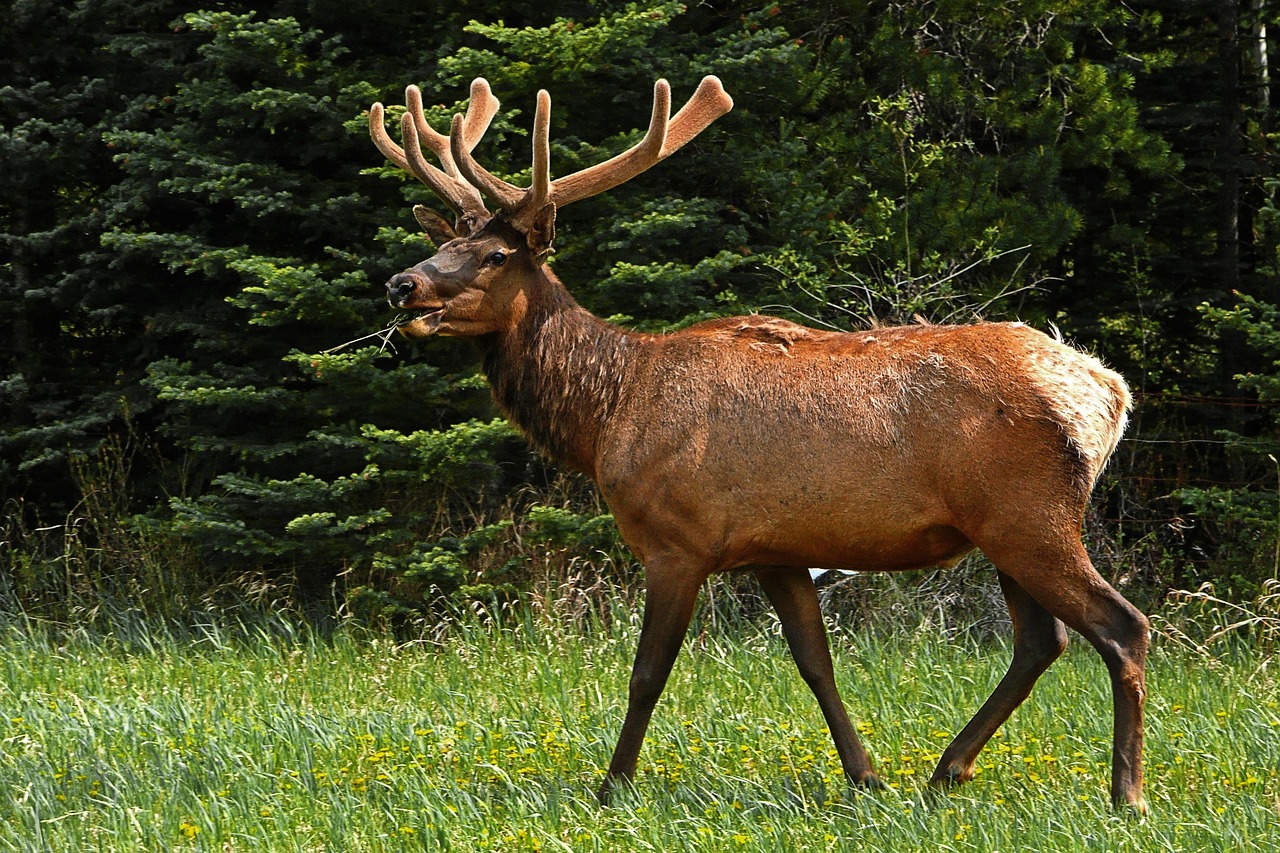
- Black-tailed deer browsing near the tree line
- Songbirds like wrens and sparrows
- Occasional raccoons and small mammals
Tracks in the sand often tell quiet stories overnight — bird prints, deer hoof marks, and the winding trails of small creatures.
Seasonal Personality Shifts
Muriel Ponsler transforms dramatically throughout the year.
Winter
Powerful storms reshape the beach, stacking driftwood higher and carving fresh sand formations. Skies turn dramatic shades of gray and steel blue. It’s raw and atmospheric — perfect for storm watching (from a safe distance).
Spring
Coastal greenery intensifies. The forest brightens, and bird activity increases. Cool mornings often give way to crisp, clear afternoons.
Summer
Long daylight hours and calmer conditions make this an ideal season for beach walking and sunset viewing. Even in summer, it remains less crowded than many neighboring coastal parks.
Fall
Arguably the most peaceful season. Crisp air, golden light, and fewer travelers create a reflective, almost meditative experience.
Accessibility & Location
Muriel Ponsler State Scenic Viewpoint is located between Florence and Yachats along U.S. Highway 101. Parking is limited to a small roadside turnout, and there are no developed facilities.
Visitors should come prepared:
- No restrooms on site
- No picnic tables
- No garbage service
Pack it in, pack it out.
The short walk from parking to beach is relatively easy but may include uneven sand and roots.
Why Visit Muriel Ponsler?
Some Oregon Coast parks impress with towering headlands or famous landmarks. Muriel Ponsler impresses with simplicity.
It offers:
- Miles of uninterrupted shoreline
- Fewer crowds than major beach access points
- A blend of forest, dunes, and surf in one small footprint
- A peaceful atmosphere ideal for reflection, photography, or quiet walking
If you’re traveling the central Oregon Coast and want to step away from busier destinations while still experiencing classic coastal beauty, Muriel Ponsler State Scenic Viewpoint is something rare — solitude wrapped in wild Pacific scenery.