River Techniques and Bait Options for Catching Spring Chinook Salmon
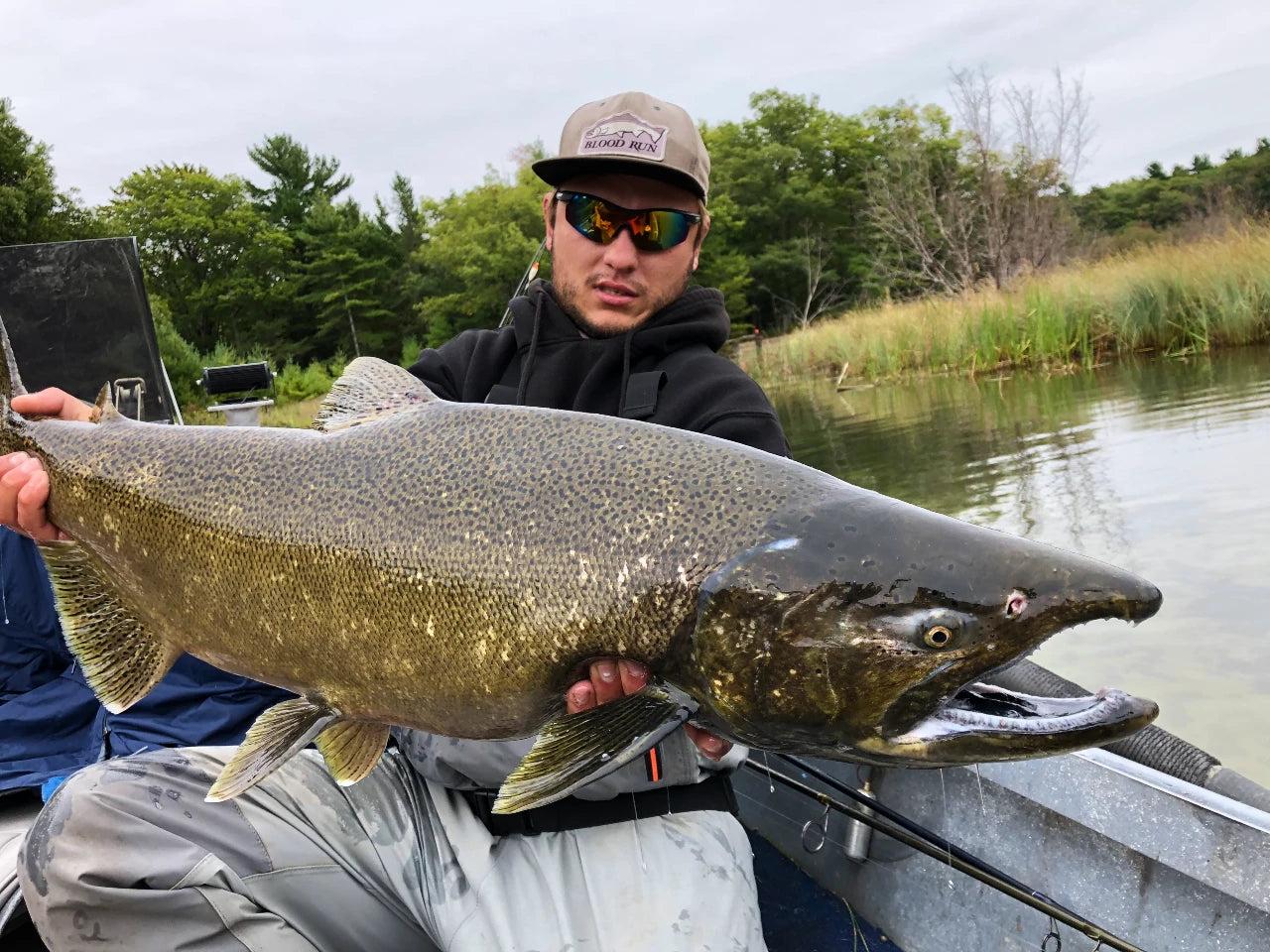
Spring Chinook salmon are one of the most prized fish in the Pacific Northwest, and for good reason. They are powerful, bright, high-fat salmon that enter rivers fresh from the ocean and push upstream with a mix of strength, instinct, and stubborn attitude. Anglers call them “springers,” and once you hook one in moving water, you understand why people lose sleep over these fish.
Catching spring Chinook in rivers is not always easy. These salmon are not aggressively feeding the way trout or bass do. They are migrating, holding, resting, and reacting. That means success usually comes down to putting the right bait or lure in the right travel lane, at the right depth, with enough patience to wait them out.
Understanding Spring Chinook Behavior in Rivers
Spring Chinook enter river systems while the water is still cool, often from late winter through spring and into early summer depending on the river. Unlike fall Chinook, springers usually have a long journey ahead of them. Many will hold in deeper pools, slow seams, ledges, and soft edges before moving farther upstream.
In higher water, spring Chinook often travel closer to the bank where the current is softer. In lower, clearer water, they may slide into deeper slots, shaded edges, or areas with cover. They do not want to waste energy fighting heavy current all day, so look for water that gives them an easy upstream path.
Good spring Chinook holding water often includes:
Deep holes below riffles
Soft inside bends
Current seams
Tailouts below pools
Boulder edges
Deep slots near ledges
Slow water below rapids
Tidewater travel lanes in lower rivers
One of the biggest mistakes new anglers make is fishing random water. Spring Chinook are usually not spread everywhere. They move through lanes and pause in specific resting spots. Find those spots, and your odds improve fast.
Technique 1: Back-Bouncing Bait
Back-bouncing is one of the classic river techniques for spring Chinook, especially from a boat. The idea is to slowly walk your bait downstream along the bottom while keeping contact with the riverbed. It is a controlled, patient method that keeps bait right in the fish’s face.
The setup usually includes a heavy rod, mainline, a dropper weight, a leader, and bait such as cured salmon eggs, sand shrimp, prawns, or a wrapped plug. The angler lifts the rod tip, lets the weight tap bottom, then frees a little line so the bait works naturally downstream.
The key is bottom contact. You do not want to drag constantly, but you do want to feel the weight ticking along. A spring Chinook bite can feel like a heavy stop, a tap-tap, or suddenly the rod loading up like you hooked the bottom — until the bottom starts shaking its head.
Best conditions for back-bouncing:
Medium to high river flows
Deep slots and holes
Boat fishing
Travel lanes with steady current
Water with enough color to make fish less spooky
Best baits for back-bouncing:
Cured salmon eggs
Egg-and-shrimp combos
Sand shrimp
Tuna-wrapped plugs
Prawn spinners
Sardine-wrapped plugs
Technique 2: Plunking from the Bank
Plunking is a favorite bank-fishing method for spring Chinook because it lets your bait sit in a travel lane and wait for fish to move through. This is especially effective in larger rivers, tidewater areas, and high-water conditions when salmon travel close to shore.
A basic plunking setup uses a heavy sinker, spreader or slider, leader, bait, and sometimes a Spin-N-Glo or other attractor. The angler casts slightly upstream or straight out, lets the weight anchor, and waits. The bait works in the current while salmon moving upstream encounter it.
This is not a fast, flashy style of fishing. It is more like setting a trap in the right lane. Bring a chair, watch the rod tip, and keep your gear tuned. When a springer grabs, that peaceful rod tip can turn into pure chaos.
Best plunking locations:
Lower river gravel bars
Tidewater banks
Current seams near shore
Inside bends
Soft edges during high water
Travel lanes below boat ramps or river bends
Top plunking bait options:
Cured eggs
Sand shrimp
Egg-and-shrimp combo
Prawns
Herring strips
Tuna balls
Spin-N-Glo with scent
Technique 3: Bobber Fishing with Eggs or Shrimp
Float fishing is one of the most exciting ways to target spring Chinook because you actually get to watch the bobber disappear. This method works well in slower pools, seams, deep slots, and tailouts where salmon are holding or moving slowly.
A slip float allows you to adjust depth, which is critical. You want your bait drifting just above the bottom or slightly above the fish’s travel lane. Too shallow, and they may never see it. Too deep, and you will snag constantly.
The classic setup includes a sliding float, bobber stop, weight, swivel, leader, and bait. Cured salmon eggs are a top choice, but sand shrimp, prawns, and egg-shrimp combos can be deadly.
Float fishing is best when you can make a natural drift. Cast upstream, mend your line, and let the bait move at the speed of the current. If your bobber is dragging, spinning, or racing ahead, your presentation is off.
Best baits under a float:
Cured salmon eggs
Sand shrimp
Egg-and-shrimp combo
Raw prawns
Coon shrimp
Small tuna ball with yarn
Scented yarn cluster
Technique 4: Drift Fishing
Drift fishing is a classic bank technique where bait or gear is cast upstream and allowed to bounce naturally downstream near the bottom. For spring Chinook, drift fishing works best in slots, tailouts, and defined travel lanes where fish are moving through.
A typical drift setup includes pencil lead or slinky weight, a swivel, leader, corky or yarn, and bait. The goal is to feel the weight ticking bottom every few seconds. If you are dragging hard, lighten up. If you never touch bottom, add weight.
Drift fishing is especially useful when spring Chinook are holding in defined current seams or deeper runs. The presentation looks natural, and when done right, it brings bait right through the strike zone.
Good drift-fishing baits:
Salmon eggs
Egg clusters
Sand shrimp
Prawn tails
Yarn with scent
Corky and egg combo
Technique 5: Pulling Plugs
Pulling plugs is one of the most popular boat techniques for spring Chinook. Plugs are diving lures that wiggle aggressively in the current. When wrapped with sardine, tuna, herring, or prawns, they add scent to the visual action.
The boat is usually held in current while the plugs work downstream behind it. The lure dives, wobbles, and holds in place as salmon move upstream. When a Chinook attacks a plug, the rod often buries hard.
Popular plug colors for spring Chinook often include chartreuse, green, silver, orange, pink, and metallic finishes. In dirty water, brighter colors and strong scent can help. In clear water, more natural colors may work better.
Best plug wraps:
Sardine
Tuna belly
Herring strip
Prawn meat
Anchovy strip
Plug fishing shines in:
Deep river slots
Moderate current
Boat lanes
Travel corridors
Water with enough depth for plugs to dive properly
Technique 6: Spinners and Hardware
Spinners can be excellent for spring Chinook, especially in clear to lightly stained water. They work by vibration, flash, and reaction. A well-placed spinner swung through a holding lane can trigger a fish that might ignore bait.
For spring Chinook, larger spinners are usually preferred. Cast slightly upstream and across, let the spinner sink, then retrieve slowly enough that the blade works near the bottom. The goal is not to burn it back fast. You want that blade thumping through the zone.
Good spinner colors:
Chartreuse
Copper
Silver
Brass
Pink
Orange
Black with bright blade
Green dot patterns
Spinners work best around:
Tailouts
Boulder seams
Pool edges
Clearer tributaries
Bank-access runs
Slow-current slots
Best Bait Options for Spring Chinook
Cured Salmon Eggs
Cured eggs are one of the top spring Chinook baits in rivers. The scent, color, and natural profile make them hard to beat. Good eggs should milk scent into the water without falling apart too quickly.
Bright red, orange, pink, and natural cures all have their place. In dirtier water, brighter eggs can stand out. In clear water, a more natural egg presentation may be better.
Sand Shrimp
Sand shrimp are a spring Chinook classic. They are soft, natural, and loaded with scent. Many anglers fish them alone or combine them with eggs. The egg-and-shrimp combo is one of the most trusted springer setups around.
Because sand shrimp are delicate, they must be rigged carefully. Use bait thread or stretchy thread to keep them secured to the hook.
Prawns and Coon Shrimp
Prawns are durable, scent-friendly, and easy to dye or cure. They can be fished under a bobber, behind a spinner, back-bounced, or added to plugs. Coon shrimp are especially popular for float fishing and plunking.
Popular prawn colors include pink, red, orange, and natural. Garlic, anise, tuna, shrimp, and sardine scents are common additives.
Herring, Sardine, and Tuna
Oily baitfish are excellent for adding scent to plugs, spinners, and bait rigs. Sardine wraps are especially popular on plugs. Tuna can be used as a wrap, paste, or bait ball. These oily baits leave a scent trail that can wake up spring Chinook in colored water.
Scented Yarn
Yarn might look simple, but it can be deadly when paired with scent. It holds scent well, adds color, and can be drifted naturally through salmon water. Yarn is often used with corkies, eggs, or shrimp.
Good scent options include:
Anise
Garlic
Tuna
Sardine
Shrimp
Herring
Salmon egg scent
Matching Bait to River Conditions
When the river is high and colored, go bigger, brighter, and smellier. Spring Chinook need to find your bait, so scent and visibility matter. Use larger egg clusters, brighter prawns, bigger Spin-N-Glos, and strong bait wraps.
When the river is low and clear, scale down. Use lighter leaders, smaller baits, natural colors, and longer casts. Fish are easier to spook in clear water, so stay quiet and avoid standing right on top of the run.
When the water is cold, slow your presentation down. Spring Chinook may not move far to grab bait, so put it close and keep it there longer.
When the water is warming, fish may move more actively during morning, evening, and tide changes in lower river systems.
Best Times of Day
Early morning is often the favorite time for spring Chinook anglers. Low light makes fish feel safer, and fresh-moving salmon may push upriver before the river gets busy.
Evening can also be productive, especially in clear water. In tide-influenced areas, tide changes can matter more than the clock. A push of tide can move fish, reposition them, and trigger bites.
Good times to focus on:
First light
Cloudy mornings
After a small rise in river level
Dropping water after rain
Tide changes in lower river sections
Evening shade lines
Rod, Reel, and Line Basics
Spring Chinook are strong fish, so gear matters. A good river setup usually includes a medium-heavy to heavy salmon rod with enough backbone to control a big fish but enough bend to absorb violent head shakes.
Common setups include:
8.5- to 10.5-foot casting rod for boat and bank fishing
20- to 40-pound mainline depending on river size
15- to 30-pound leader
Strong bait-casting reel or spinning reel
Sharp 2/0 to 5/0 hooks depending on bait size
Enough weight to reach bottom without dragging unnaturally
For clear water, lighter leaders may get more bites. For heavy current, wood, rocks, and big fish, heavier leaders are safer.
Common Mistakes to Avoid
One of the biggest mistakes is fishing too high in the water column. Spring Chinook often travel near the bottom, so your bait needs to be close to them.
Another mistake is using too much weight. If your bait drags like an anchor, it will look unnatural and snag constantly. You want controlled bottom contact, not a dead pull.
Many anglers also move too quickly. Spring Chinook fishing rewards patience. If you are in a known travel lane or holding pool, give fish time to move through.
Avoid these mistakes:
Fishing random water
Ignoring depth
Using dull hooks
Fishing bait with no scent left
Standing too close to clear water
Dragging too much weight
Changing spots right before fish move through
Forgetting to check current regulations