Secret Spots to Fish for Springers in Tillamook County, Oregon
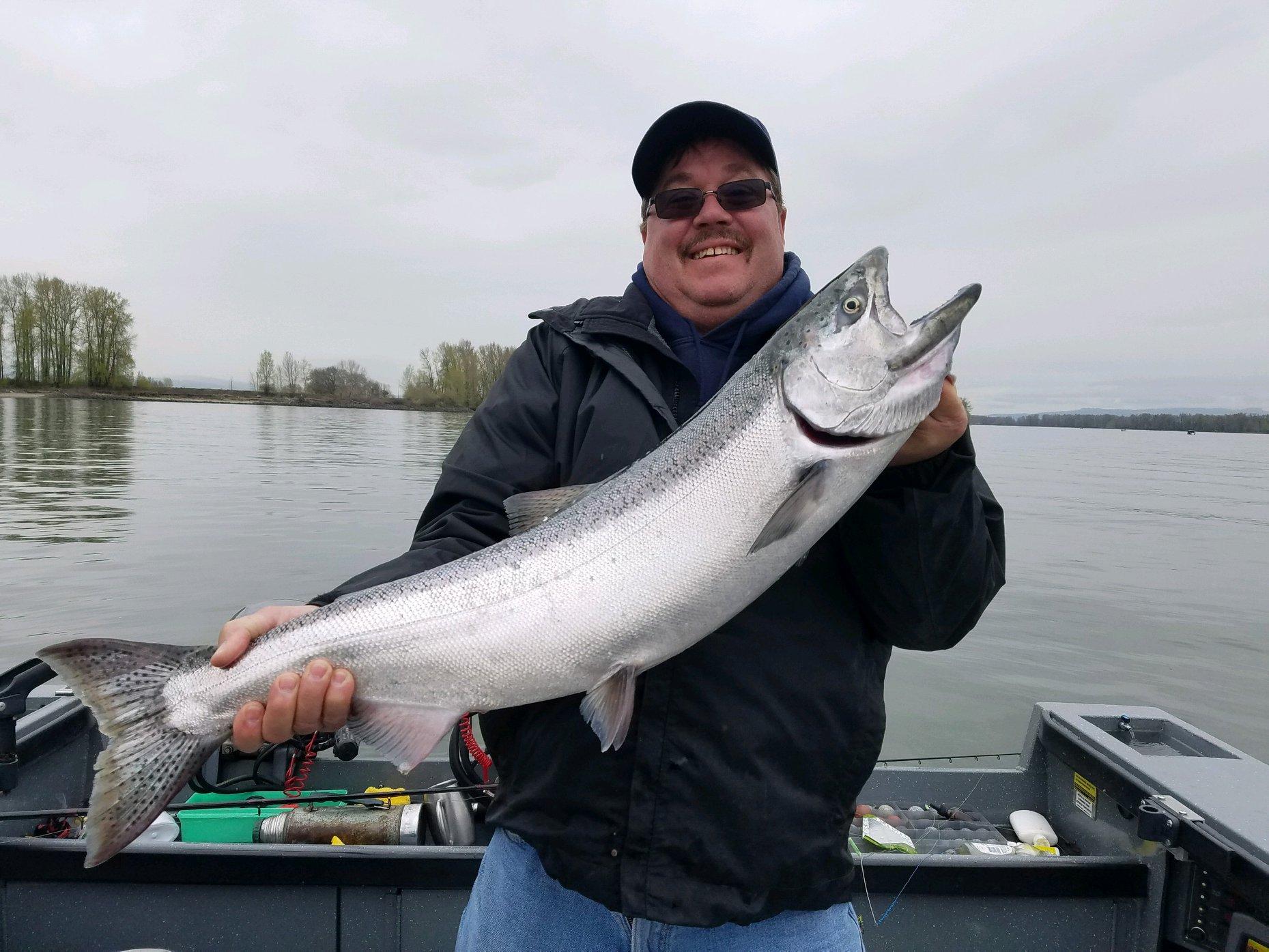
Spring Chinook — or “springers,” as most Oregon anglers call them — have a way of turning normal people into river-watchers, tide-checkers, bait-briners, and full-blown morning maniacs. In Tillamook County, springer season feels like a secret handshake between the ocean, the bay, and the rivers. One day the fish are nosing around tidewater, the next they’re sliding upstream under a wall of green water, and if you are in the right place at the right hour, your rod can fold over like it just got grabbed by a freight train.
Tillamook County is better known for its fall Chinook, winter steelhead, dairy farms, and stormy beaches, but spring Chinook fishing here has its own magic. These fish are bright, powerful, ocean-fresh, and some of the best-eating salmon that enter Oregon rivers. The trick is knowing where to look before the crowds do.
This guide covers some of the more overlooked springer zones in Tillamook County, including Tillamook Bay, the Trask River, Wilson River, Nestucca River, Little Nestucca River, and smaller tidewater pockets where fish pause before pushing upriver.
Why Tillamook County Is a Sleeper Spring Chinook Destination
Tillamook County has everything spring Chinook like: cold coastal rivers, deep tidewater lanes, bay channels, rain-fed flows, and enough structure to give salmon places to rest as they move inland. Springers entering these systems are not usually in a hurry the way fall fish can be. They often travel on tides, pause in soft edges, tuck behind current seams, and move best when the river has that perfect “steelhead green” look.
The best springer fishing usually happens from May into June, but conditions matter more than the calendar. A little rain can pull fish into the rivers. Too much rain can blow the system out. Hot, low, clear water can make them spooky. Cool, overcast days with moving tidewater can make everything come alive.
1. The Upper Edges of Tillamook Bay
Most anglers think of Tillamook Bay as a fall Chinook powerhouse, but springers often stage in the bay before committing to the rivers. The “secret” is not always fishing the most obvious boat parade zones. Instead, pay attention to the upper bay edges where river water starts mixing with tidewater.
These transition areas can be excellent when fish are moving with the tide. Look for softer seams near channel edges, places where current bends around sandbars, and areas where salmon can travel without fighting the heaviest push of water.
Boat anglers often troll herring, spinners, or bait-wrapped plugs through these lanes. Bank anglers have fewer options, but they can still find opportunities near legal public access points where tidewater narrows and current concentrates fish.
Best approach: Fish early, watch the tide, and focus on moving water. Springers in the bay are often travelers, not campers. If nothing happens after a good tide cycle, move.
2. Trask River Tidewater
The Trask River is one of the classic Tillamook spring Chinook rivers, but many anglers overlook the lower tidewater stretches because they are either chasing fish higher up or following the boat traffic. That can be a mistake.
Springers often pause in lower river slots before pushing upstream, especially after a small bump in river level. Tidewater springers can be frustrating because they may roll, flash, or show themselves without biting. But when they do bite, it can be violent.
Focus on deeper bends, slow inside corners, and current seams where the river changes speed. If the river is dropping after rain and still has good color, the Trask can be one of the better places to intercept fresh fish.
Best approach: Use wrapped plugs from a boat, bobber and bait from the bank, or spinners in softer travel lanes. Keep your presentation slow and deliberate. Spring Chinook are not always chasing; sometimes you have to put it right in their face.
3. Wilson River Lower Runs
The Wilson River gets plenty of attention for steelhead, but its lower river springer water is worth watching. The secret here is timing. The Wilson can fish best when flows are dropping after a spring rain and the river still has enough color to make fish comfortable.
Look for holding water below riffles, tailouts above deeper pools, and slow walking-speed current near cover. Spring Chinook moving through the Wilson may not hold forever, but they will pause in classic travel lanes when conditions line up.
Bank anglers should stay mobile. Do not marry one hole all day unless you have seen fish move through it. Springers can show up suddenly, and the difference between a dead morning and a great one might be one pod of fish sliding through at the right time.
Best approach: Drift bait, float eggs or sand shrimp where legal, or swing spinners through soft edges. Keep your gear heavy enough. These fish are strong, and the Wilson has enough current and wood to humble light tackle fast.
4. Nestucca River Lower River Pockets
The Nestucca is one of the better-known spring Chinook systems on the North Coast, but many people still fish it like a steelhead river and miss the slower springer zones. Spring Chinook often prefer deeper, slower, heavier water than summer steelhead. They may travel along the bottom, pause near ledges, or sit in frog water that looks too slow to be exciting.
The lower Nestucca and tidewater sections can produce when fish are fresh from the bay. The best days often come when the river has a little color and the tide is helping push fish upstream.
Public access can be limited in places, so stay respectful, obey signs, and never assume a gravel bar is open just because you can see it.
Best approach: Fish deep. Use plugs, bait, or spinners near the bottom. If you are bank fishing, adjust your depth often until you find the travel lane.
5. Little Nestucca River Quiet Water
The Little Nestucca does not always get the same attention as its bigger neighbor, which is exactly why it belongs on this list. Smaller water can be sneaky-good when fish are present and conditions are right.
The Little Nestucca is not a place to stomp around, slam truck doors, and cast neon gear into skinny water. It rewards quiet anglers. Look for shaded bends, tide-influenced slots, and deeper pockets where springers can rest before moving again.
Because smaller systems can be more sensitive to low water and pressure, fish them carefully. Keep fish wet if releasing, avoid crowding, and do not blow up a small hole if someone else is already working it.
Best approach: Downsize slightly but do not go too light. Float fishing bait, drifting small clusters, or working spinners through deeper green pockets can all produce when fish are tucked in.
6. Overlooked Bridge-to-Bend Water
Some of the best “secret” springer water in Tillamook County is not secret because it is hidden. It is secret because people drive past it. Anglers love famous holes, boat launches, and hatchery-adjacent runs, but spring Chinook do not care about parking-lot popularity.
A simple bridge-to-bend stretch can hold fish if it has depth, cover, and a clean travel lane. Look for water that gives salmon three things: protection from heavy current, enough depth to feel safe, and a clear path upstream.
The magic zones are often just downstream of a shallow riffle, on the inside edge of a bend, or where a small creek adds cooler water. These spots may not look dramatic, but they can be springer rest stops.
Best approach: Scout more than you fish. Watch for rollers, nervous water, or subtle flashes. A springer showing once is a clue. A springer showing twice is an invitation.
7. Soft Water Below Fast Water
If there is one springer rule worth remembering, it is this: fish do not always hold where anglers want them to hold. They hold where the river lets them rest.
In Tillamook County rivers, some of the best spring Chinook spots are soft buckets below fast water. A riffle, chute, or shallow push forces fish to work. Once they get through it, they often settle briefly in the first comfortable water below or above the push.
That water may be only a few feet deep. It may be tight to the bank. It may be under overhanging brush. It may not look like much until a salmon rolls there at daylight and ruins your ability to think about anything else.
Best approach: Cast above the holding zone and let your gear settle naturally into the soft seam. Do not drop your bait directly on top of fish if the water is clear.
Best Baits and Gear for Tillamook County Springers
Spring Chinook are famous for being moody. Some days they crush bait. Some days they ignore everything except one spinner color or one plug wobble. Come prepared.
Good springer options include cured salmon eggs, sand shrimp, prawns, herring, spinners, plugs, and bait-wrapped plugs. In tidewater, herring and spinners can be deadly. In rivers, eggs and plugs are hard to beat.
A typical setup is a medium-heavy to heavy salmon rod, a quality reel with strong drag, 20- to 30-pound mainline, and leaders matched to water clarity. In heavy current or snaggy water, do not under-gun yourself. A spring Chinook is not a trout with a bad attitude. It is a silver bulldozer.
Best Conditions for Tillamook Spring Chinook
The dream condition is dropping water after a spring rain, with the river shifting from muddy brown to green. That is when fish move, visibility improves, and pressure often spreads out.
Overcast days are usually better than bright sun. Early mornings can be excellent, especially in clear water. Tide changes matter in lower river and bay sections. If you are fishing tidewater, pay attention to the push and the turn. Salmon often move when the water starts changing speed.
Low, clear water calls for stealth. Longer leaders, natural baits, smaller presentations, and quieter movement can make a difference. High water calls for edges, inside seams, and slower pockets near the bank.
Bank Fishing Tips
Bank anglers can absolutely catch Tillamook County springers, but they need to fish smarter than the boat crowd. The key is mobility. Do not stand in one place all day unless you know fish are traveling through.
Walk quietly. Cast with purpose. Change depth before changing locations. Watch the water. Spring Chinook sometimes reveal themselves with a roll, a boil, or a single flash near the bottom.
Most importantly, respect private property. Tillamook County has plenty of river miles where access is limited. Use public access points, boat ramps, parks, bridges, and legal rights-of-way. A salmon is not worth a trespassing ticket or a bad reputation for other anglers.
Boat Fishing Tips
Boat anglers have a major advantage in Tillamook springer season because they can cover travel lanes and control their presentation. Trolling the bay, back-trolling plugs, or hovering bait in river slots can all work.
The trick is boat control. Springers like a slow, clean presentation. If your gear is racing past them, spinning wrong, dragging weeds, or riding too high, you may be fishing dead water without knowing it.
Watch other boats, but do not simply join the herd. Sometimes the best pass is slightly outside the obvious lane, especially after fish have been pressured.
Local Etiquette: Keep the Secret Spots Secret
The best springer anglers in Tillamook County usually have one thing in common: they do not make a circus out of good water. They keep spots clean, give other anglers room, release wild fish carefully when required, and do not post every background on the internet.
If you find a quiet pocket that produces, treat it like a borrowed cabin key. Enjoy it, respect it, and do not burn it down for attention.