Siletz Bay National Wildlife Refuge: Wildlife on the Oregon Coast
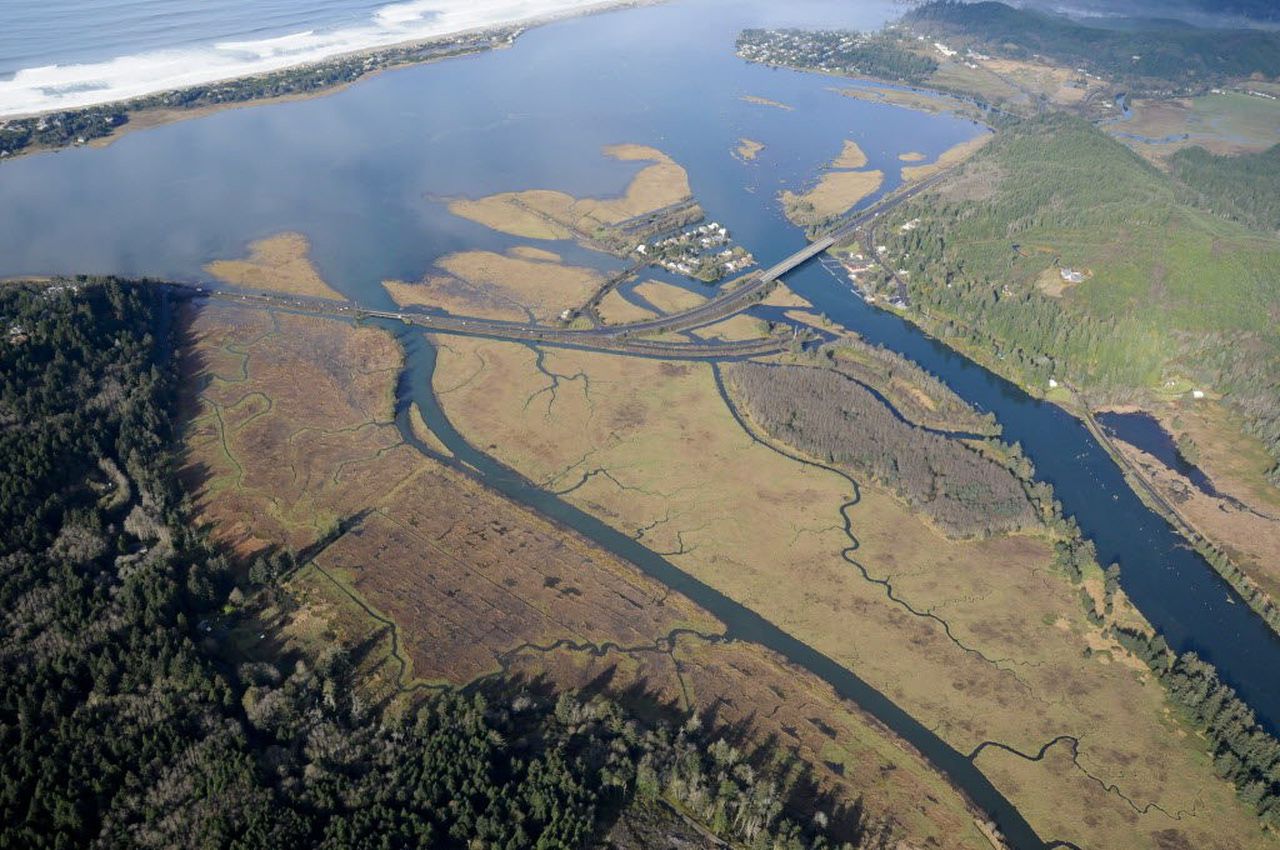
Along the central Oregon coast, just south of Lincoln City, lies one of the state’s most peaceful and ecologically important coastal wetlands—the Siletz Bay National Wildlife Refuge. This protected estuary is a quiet sanctuary where tidal marshes, mudflats, forests, and sloughs create a rich habitat for fish, birds, and mammals. Whether you are a birdwatcher, kayaker, or simply someone who appreciates wild places, Siletz Bay offers a rare glimpse into the natural rhythms of Oregon’s coastal ecosystems.
A Refuge Born from Restoration
The Siletz Bay National Wildlife Refuge was established in 1991 and is managed by the U.S. Fish and Wildlife Service as part of the Oregon Coast National Wildlife Refuge Complex. The refuge began with a donation of 46 acres of tidal marsh, but today it protects roughly 578 acres of wetlands and surrounding habitat.
The refuge was created primarily to restore and protect coastal salt marshes that had been heavily altered by human activity. For decades, much of the area around Siletz Bay was diked and drained for dairy farming, preventing the tides from naturally flooding the marsh. Conservation efforts removed thousands of feet of dikes and filled drainage ditches so the wetlands could return to their natural tidal cycles.
Today, twice-daily tides once again flow through the marshlands, allowing native plants and wildlife to reclaim the landscape.
A Diverse Coastal Habitat
Siletz Bay National Wildlife Refuge protects a mosaic of coastal environments that support an extraordinary range of species. The refuge includes:
- Salt marshes
- Brackish marshlands
- Mudflats and tidal channels
- Sloughs and estuary backwaters
- Conifer and hardwood forests
These habitats form an important transition zone between freshwater rivers and the Pacific Ocean. Such estuarine environments are among the most productive ecosystems on Earth and provide critical nursery habitat for fish and feeding grounds for birds.
The Siletz River flows directly into the bay, bringing nutrients that sustain plant and animal life throughout the estuary.
Wildlife of the Refuge
The refuge is especially known for its incredible birdlife. Because it lies along the Pacific Flyway, one of North America’s major migratory bird routes, thousands of birds pass through the area each year.
Birds
Common species found in the refuge include:
- Great blue herons
- Great egrets
- Bald eagles
- Red-tailed hawks
- Surf and white-winged scoters
- Buffleheads and other ducks
- Western grebes and loons
- Shorebirds such as sanderlings
In winter, the estuary fills with waterfowl and sea ducks, while raptors patrol the marsh edges searching for prey.
Fish
The waters of Siletz Bay are vital for many fish species, including:
- Chinook salmon
- Coho salmon
- Coastal cutthroat trout
- Steelhead
Juvenile salmon use the marshes and tidal channels as protected nursery habitat before migrating to the Pacific Ocean.
Mammals
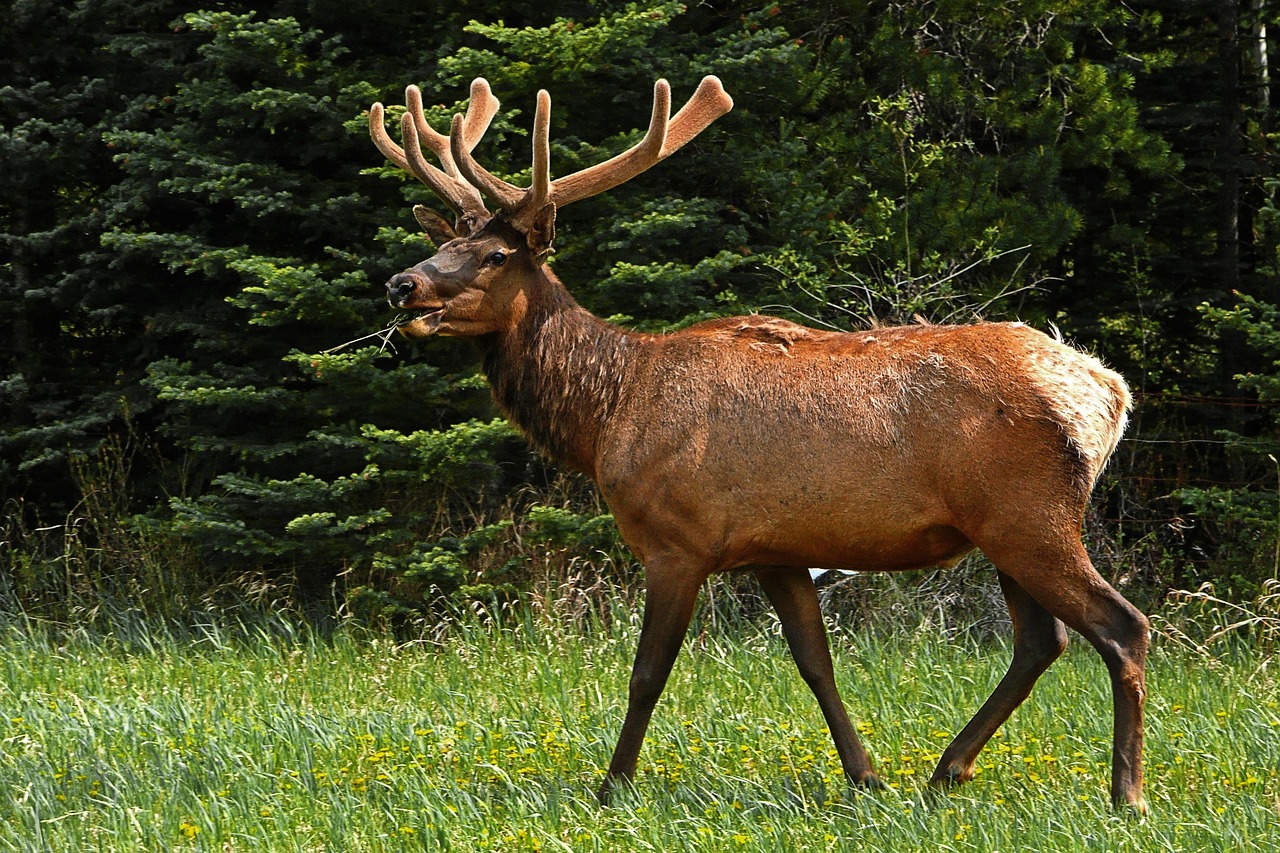
Visitors may occasionally spot wildlife such as:
- River otters
- Mink
- Deer
- Small marsh mammals
These animals thrive in the sheltered estuarine environment where abundant food and cover are available.
Exploring the Refuge
Although much of the refuge remains protected habitat, visitors can experience parts of it through low-impact recreation.
Alder Island Nature Trail
One of the best ways to explore the refuge is the Alder Island Nature Trail, a short and easy walk along the Siletz River and Millport Slough. The trail is roughly half a mile long and open from sunrise to sunset, offering excellent wildlife viewing opportunities.
Interpretive signs along the trail explain the area’s restoration efforts and the importance of coastal marshes.
Kayaking and Paddle Sports
The refuge also provides a car-top boat launch for kayaks, canoes, and paddleboards. Paddling through the quiet tidal channels allows visitors to observe birds, fish, and marsh plants from a unique perspective.
Wildlife Watching and Photography
Because of its diverse habitats and abundant birdlife, Siletz Bay is a favorite spot for:
- Birdwatching
- Nature photography
- Quiet wildlife observation
Early mornings and low-tide periods are often the best times to see animals feeding along the mudflats.
Getting There
Siletz Bay National Wildlife Refuge is located just south of Lincoln City, Oregon, along the scenic Oregon Coast Highway (U.S. 101). Visitors can reach the refuge by turning east onto Millport Slough Lane, where a small parking area provides access to the trail and boat launch.
The refuge is open daily from sunrise to sunset.
While places like Newport or Cannon Beach often draw the crowds, Siletz Bay National Wildlife Refuge remains one of the quieter natural treasures of the Oregon coast. Its restored marshes, calm tidal waters, and abundant wildlife create a landscape that feels both wild and peaceful.
Standing along the edge of the estuary as the tide moves in and out, visitors can witness the delicate balance of nature—salmon moving through the channels, herons stalking the shallows, and eagles perched high in the skeletal snags left from an earlier era.
For anyone exploring the central Oregon coast, Siletz Bay offers a reminder that some of the most extraordinary experiences come not from busy attractions, but from simply watching nature unfold.