Starfish Cove: Tidepooling in Newport, Oregon
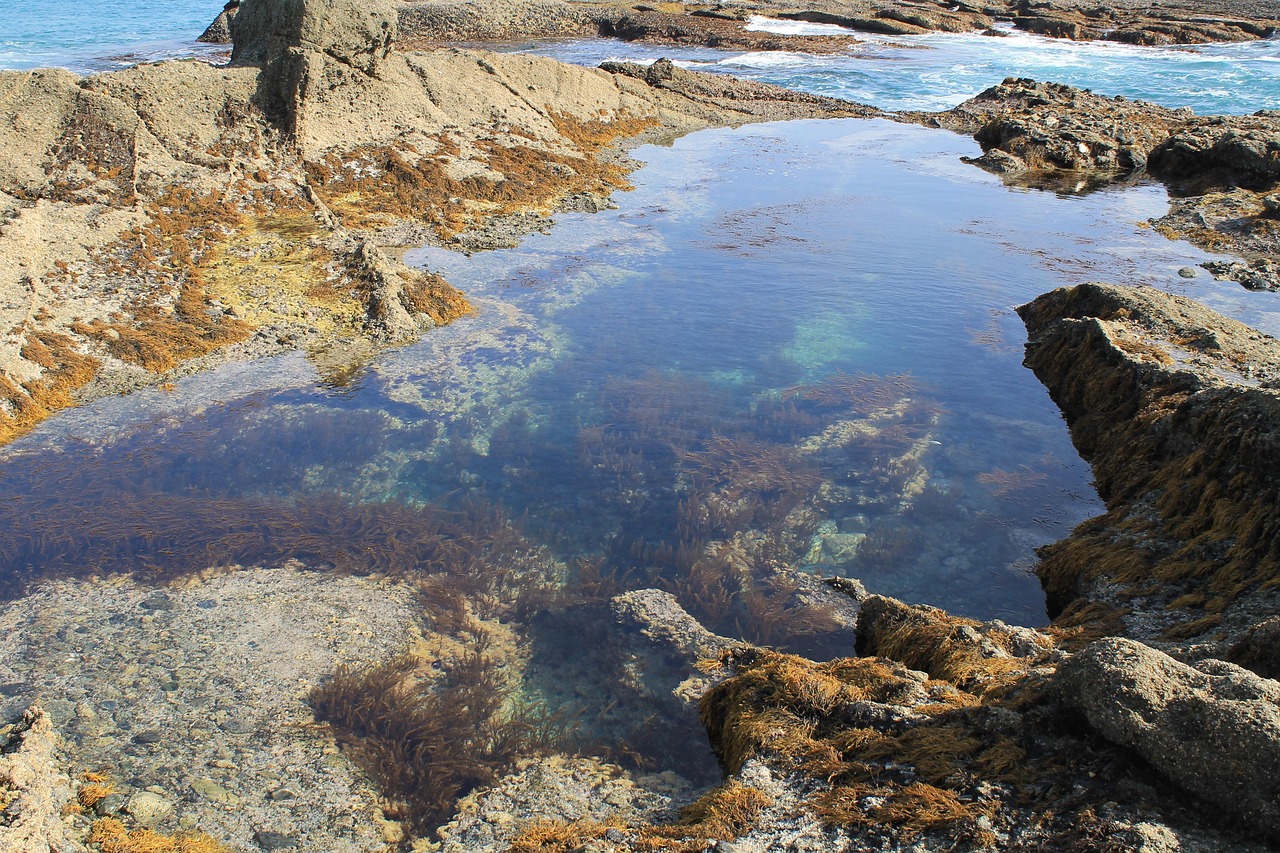
Just south of Yaquina Head and reached most easily by walking the shoreline from the Agate Beach area, Starfish Cove stays relatively calm on many days thanks to the nearby headland breaking up the surf. It’s also free, dog-friendly, and—important detail—has no amenities (no restrooms, no trash cans, no water), so you’ll want to plan like a grown-up before you wander down there.
This stretch of coast is classic central Oregon: long sand, chunky cobbles, and basalt that creates little protected pockets where tidepool life hangs out. On a good low tide, you’ll get that magical combo of:
- Wide-open beach walking
- Sea stacks and rocky edges to explore
- Small pools where everything feels like a miniature aquarium
And because you’re close to Yaquina Head Outstanding Natural Area, you’re basically in one of the best neighborhoods in Newport for spotting coastal wildlife.
Sea creatures you can expect to see while tidepooling
What you see changes with the tide, season, and ocean conditions, but around this part of the coast (Starfish Cove + Yaquina Head area), keep your eyes peeled for:
In the pools and on the rocks
- Sea stars (the “starfish” namesake energy)
- Giant green anemones (they look like living flowers until they close up)
- Purple sea urchins, barnacles, mussels, and other “cling-for-dear-life” locals
- Hermit crabs and small shore crabs, usually hiding in cracks and under ledges
- Chitons, snails/limpets, and sometimes colorful nudibranchs if you’re lucky
- Tiny fish (often darting between rocks like they’re late for something)
Just offshore / along the rocks
- Harbor seals and sea lions (you’ll often hear them before you spot them)
- Seabirds, especially in spring/summer when nesting activity ramps up around near-shore rocks
Best times to go tidepooling at Starfish Cove
Tidepooling is all about timing. The “best time” isn’t a month—it’s a number on a tide chart.
Aim for “very low” tides
- The best tidepooling happens on extreme low tides, when more rock shelves are exposed and more pools are accessible.
Show up early
Plan to arrive 1–3 hours before the lowest tide so you can explore as the ocean pulls back—and leave as it starts coming in again.
Go in daylight when you can actually see
Some of the lowest tides happen at dawn or after dark. Dawn can be amazing (less wind, fewer people), but bring a headlamp and be extra cautious on slick rocks. If it’s a night low tide, it’s usually smarter to wait for the next good daylight low.
Seasonal vibe check
- Spring and summer often have more comfortable conditions and lots of daylight lows.
- Fall and winter can bring dramatic seas and stunning photos—but also more sneaker-wave risk and rougher footing. If the ocean looks angry, treat it like it’s angry.
Tidepool etiquette
Quick, important reminders that keep these spots thriving:
- Don’t pick up sea stars or anemones (hands-off is best; gentle touch only if you must, and never pry anything off rocks).
- Step only on bare rock or sand—life is everywhere, even where it looks “empty.”
- Turn rocks back exactly how you found them (or better: don’t flip them at all).
- Keep dogs close around wildlife.
Game plan
- Check a tide chart for the Newport area and pick a very low tide.
- Pack snacks/water and anything you need (remember: no amenities).
- Arrive 1–3 hours before the low.
- Walk slow, watch your footing, and let the tide schedule your exit.