The Confederated Tribes of Siletz Indians: History, Culture, Museums, and Visitor Information on the Oregon Coast
The Oregon Coast is often described through its cliffs, rivers, fog, salmon runs, beaches, and old-growth forests — but long before highways, lighthouses, and coastal towns appeared, this region was home to Indigenous peoples whose histories reach back thousands of years. One of the most important Native nations connected to the Oregon Coast today is the Confederated Tribes of Siletz Indians, a federally recognized tribal nation headquartered in Siletz, Oregon.
The story of the Siletz people is not just a story of the past. It is a living story of survival, restoration, cultural renewal, language, land, ceremony, art, and community. For visitors exploring the central Oregon Coast, learning about the Confederated Tribes of Siletz Indians adds a deeper understanding to the rivers, bays, headlands, forests, and coastal places that make this region so powerful.
Who Are the Confederated Tribes of Siletz Indians?
The Confederated Tribes of Siletz Indians are made up of many bands and tribes whose ancestral homelands stretched across a vast region of western Oregon, northern California, and southern Washington. The Tribe represents a diverse confederation of peoples, languages, and cultures brought together through history, removal, survival, and rebuilding.
The word “confederated” matters here. It reflects the fact that Siletz is not one single ancient village or one single cultural group. The Confederated Tribes of Siletz Indians include descendants of many Native peoples from coastal, river, valley, and inland communities. Their ancestors spoke multiple languages and lived across dramatically different landscapes — from ocean beaches and tidal bays to mountain valleys, rivers, prairies, and forests.
That diversity is one of the most remarkable parts of Siletz history. The Tribe carries the memories and traditions of many peoples, including coastal communities connected to fishing, gathering, canoe travel, basketry, ceremony, trade, and deep relationships with the land and water.
A History of Removal and the Coast Reservation
In the 1850s, Native peoples from across western Oregon and surrounding regions were forced onto what became known as the Coast Reservation. This reservation once covered a large stretch of the Oregon Coast. Many people were removed from their homelands and brought to the Siletz area, where different tribes and bands were placed together under federal policy.
This was a devastating period. Families were separated from traditional villages, fishing places, camas grounds, hunting areas, burial sites, and sacred landscapes. Communities who had lived with distinct languages and customs were forced to adapt under extremely difficult conditions.
Over time, the original reservation was reduced again and again. Land was taken, opened to settlement, or broken apart through federal policy. The Siletz people endured not only removal, but the loss of land, language disruption, and pressure to abandon cultural practices.
And yet, the people remained.
That is the heart of the Siletz story: endurance. Despite removal, land loss, government pressure, and generations of hardship, Siletz families continued to carry knowledge, songs, memories, skills, and identity forward.
Termination and Restoration
One of the most painful chapters in modern Siletz history came during the federal Termination Era. In the 1950s, the United States government terminated its recognition of the Siletz Tribe. Termination attempted to end the government-to-government relationship between the Tribe and the United States, stripping away federal recognition and many services tied to that status.
For the Siletz people, termination was not the end of identity. Families, leaders, and community members worked to restore what had been taken. After years of organizing, the Confederated Tribes of Siletz Indians regained federal recognition in 1977. This made Siletz the first tribe in Oregon to be restored to federal recognition.
Restoration was a major turning point. It allowed the Tribe to rebuild government services, strengthen cultural programs, support education, protect resources, and continue the long work of healing. In 1992, the Tribe achieved self-governance, giving it greater ability to work directly with the federal government and manage tribal programs.
Today, the Confederated Tribes of Siletz Indians continue to operate as a sovereign tribal government, serving tribal members while also contributing to communities throughout Oregon.
Culture, Language, and Living Traditions
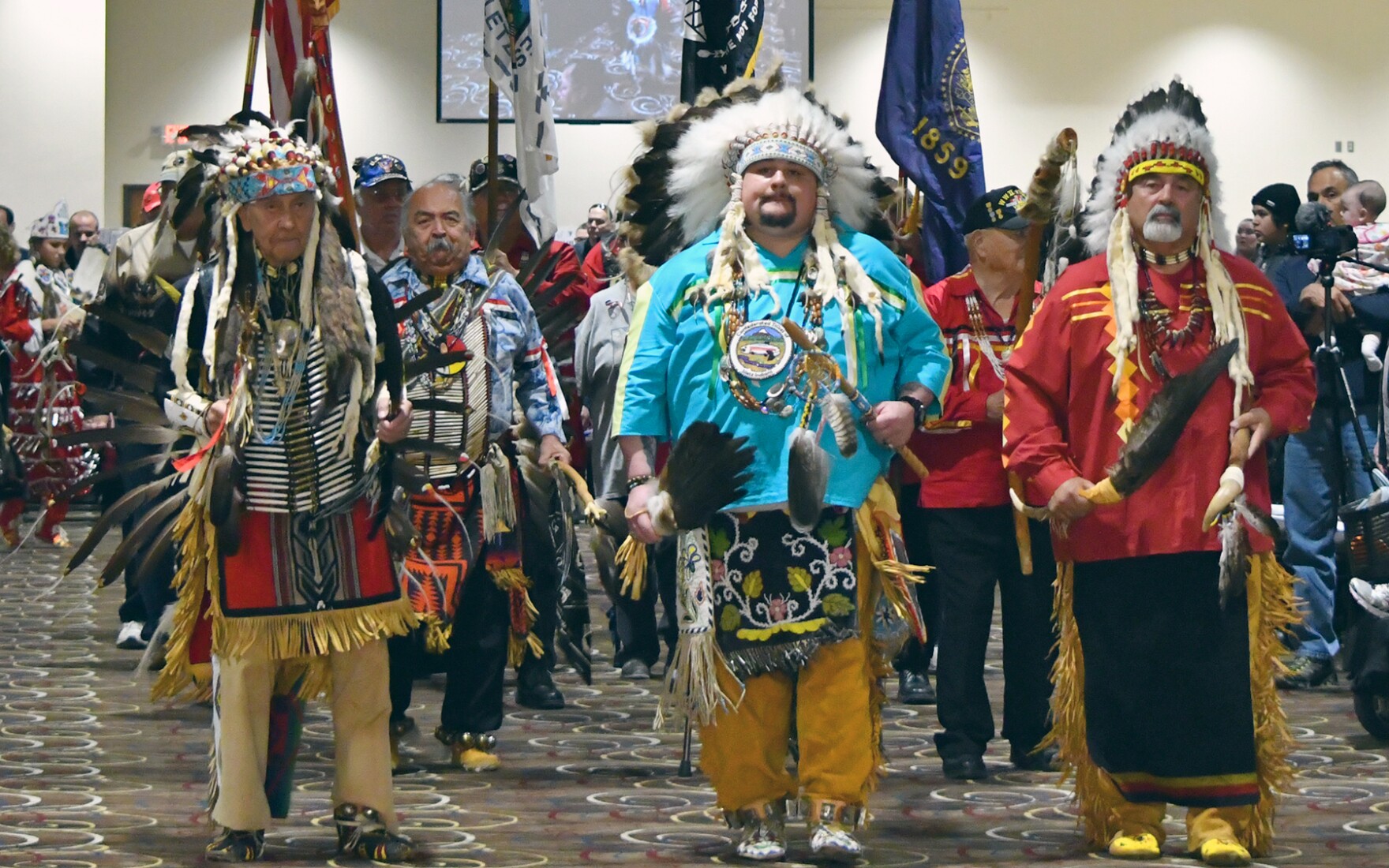
The Confederated Tribes of Siletz Indians continue to invest in cultural restoration, language learning, traditional arts, and community gatherings. These efforts are not simply museum work — they are living practices that connect elders, youth, families, and future generations.
Siletz culture includes a wide range of traditional knowledge: basketry, carving, regalia, dance, stories, foodways, fishing, gathering, language, ceremony, and relationships with specific places. Because the Tribe is a confederation of many peoples, cultural preservation also means honoring the differences among the bands and tribes that make up the Siletz community.
Language restoration is especially important. Like many Native communities, Siletz people faced generations of pressure that disrupted language transmission. Today, language programs, cultural camps, educational materials, and community-led teaching help keep ancestral knowledge alive.
Visitors should understand something important: tribal culture is not a tourist attraction. Some events are public, while others are private for tribal members and families. The best way to visit respectfully is to follow posted guidance, attend public events only when invited, avoid photographing ceremonies or regalia without permission, and remember that you are a guest.
Museums and Cultural Sites
Ghii Dee-Ne Dvn: A Place for the People
One of the most important cultural projects connected to the Confederated Tribes of Siletz Indians is Ghii Dee-Ne Dvn, often translated as “A Place for the People.” This future museum and cultural center in Siletz is being developed to preserve, protect, and share Siletz history, culture, art, archives, and community knowledge.
The vision for Ghii Dee-Ne Dvn includes museum and visitor space, cultural exhibits, archival storage, classroom areas, and a place for learning about the past and present of the Siletz people. It is designed not only for visitors, but especially for tribal members — a place to gather, teach, remember, create, and pass knowledge forward.
This cultural center is especially meaningful because so much Native history has been told by outsiders. Ghii Dee-Ne Dvn represents a place where the Siletz people can tell their own story, in their own voice.
Siletz Tribal Arts & Heritage Society
The Siletz Tribal Arts & Heritage Society supports the conservation, restoration, and practice of Siletz tribal cultures. Visitors interested in learning more should look into the society’s public-facing information, gift shop, cultural updates, and museum project progress.
The society is connected to the larger effort to build and support Ghii Dee-Ne Dvn. For travelers, this is one of the best starting points for learning what may be open to the public, what events are upcoming, and how to support cultural preservation respectfully.
Siletz Tribal Community and Public Events
The Siletz Tribal Community Center and tribal facilities are important community spaces. Public events, such as pow-wows or cultural celebrations, may happen during certain times of year, but visitors should always confirm details before going. Some gatherings are intended for tribal members, while others welcome the public.
If you attend a public pow-wow or cultural event, go with respect. Listen more than you talk. Follow the emcee’s instructions. Do not touch regalia. Ask before taking photos. Support Native artists and vendors when available. And remember that these gatherings are living cultural events, not performances staged for tourists.
Visitor Information
Where Is Siletz, Oregon?
Siletz is located inland from the central Oregon Coast in Lincoln County. It sits along the Siletz River, surrounded by forested hills, coastal rain, salmon country, and quiet rural roads. From Newport, the drive to Siletz is roughly a short inland trip, making it a meaningful addition to a central coast itinerary.
Nearby coastal destinations include Newport, Toledo, Lincoln City, Depoe Bay, Yaquina Bay, Siletz Bay, and the central coast beaches.
Siletz Tribal Arts & Heritage Society Visitor Details
Before visiting, check the current hours and contact information for the Siletz Tribal Arts & Heritage Society. Public access can change depending on construction, events, staffing, and tribal community needs.
General visitor tip: Call ahead before making a special trip. Museum construction, cultural programming, and public hours can shift.
Nearby Places to Visit
A visit to Siletz can be paired with several nearby Oregon Coast stops:
Siletz River: A beautiful river system connected to salmon, steelhead, forest travel, and the cultural landscape of the region.
Siletz Bay National Wildlife Refuge: Located near Lincoln City, this refuge protects tidal marsh, sloughs, and bird habitat near the mouth of the Siletz River.
Newport: A central Oregon Coast hub with Yaquina Bay, the historic bayfront, Hatfield Marine Science Center, and access to Yaquina Head.
Lincoln City: Home to Siletz Bay, coastal viewpoints, beaches, and Chinook Winds Casino Resort, which is operated by the Confederated Tribes of Siletz Indians.
Cape Foulweather and the central coast headlands: Scenic coastal areas that connect visitors to the broader ancestral landscapes of the Siletz people.
A Respectful Way to Visit
When visiting places connected to Native history, it is easy to treat the story as something old, distant, or finished. But the Confederated Tribes of Siletz Indians are not a relic of the past. They are a living tribal nation with government, families, elders, youth, artists, language teachers, natural resource programs, cultural leaders, and a continuing relationship with the land.
A respectful visit begins with humility. Learn from tribal sources whenever possible. Support Native-led museums and cultural programs. Do not enter private tribal spaces without permission. Avoid collecting artifacts, disturbing sites, or treating sacred places like tourist stops. If you are writing, filming, or posting online, be careful with your words and avoid turning tribal history into a simple tragedy story.
The Siletz story includes hardship, but it also includes survival, strength, humor, art, language, law, restoration, fishing rights, ceremony, and future-building.
Why This History Matters on the Oregon Coast
The Oregon Coast is more than scenery. Every bay, river mouth, headland, trail, and forest has a deeper story. Learning about the Confederated Tribes of Siletz Indians changes the way you see the coast. The Siletz River becomes more than water. The bays become more than bird habitat. The beaches become more than weekend escapes. The land becomes layered with memory, culture, and responsibility.
For travelers, this is the kind of history that makes a trip more meaningful. It reminds us that the Oregon Coast was never empty wilderness. It was — and still is — homeland.
The Confederated Tribes of Siletz Indians continue to shape the cultural, environmental, and historical future of the Oregon Coast. Their story is one of endurance, restoration, and living connection to place. For anyone exploring the central Oregon Coast, taking time to learn about the Siletz people is not just worthwhile — it is essential.