The Coquille Indian Tribe of the Oregon Coast: History, Culture & Museums
Along the rivers, estuaries, forests, and ocean edges of southwestern Oregon lives the story of the Coquille Indian Tribe — a Native nation whose roots run deep through the Coquille River watershed, lower Coos Bay, South Slough, Bandon, Myrtle Point, and the surrounding coastal country.
The Coquille people are often connected with the southern Oregon Coast, but their homeland is more than a pretty stretch of shoreline. It is a living landscape of salmon runs, cedar forests, sheltered bays, tidewater villages, canoe routes, gathering places, family history, language, ceremony, and survival.
Today, the Coquille Indian Tribe is a federally recognized sovereign nation based in the Coos Bay/North Bend area. The Tribe is active in cultural preservation, forest stewardship, health care, education, hospitality, economic development, and community service. Their story is not only about the past — it is about endurance, restoration, and the powerful statement: “We are still here.”
Ancestral Homeland of the Coquille People
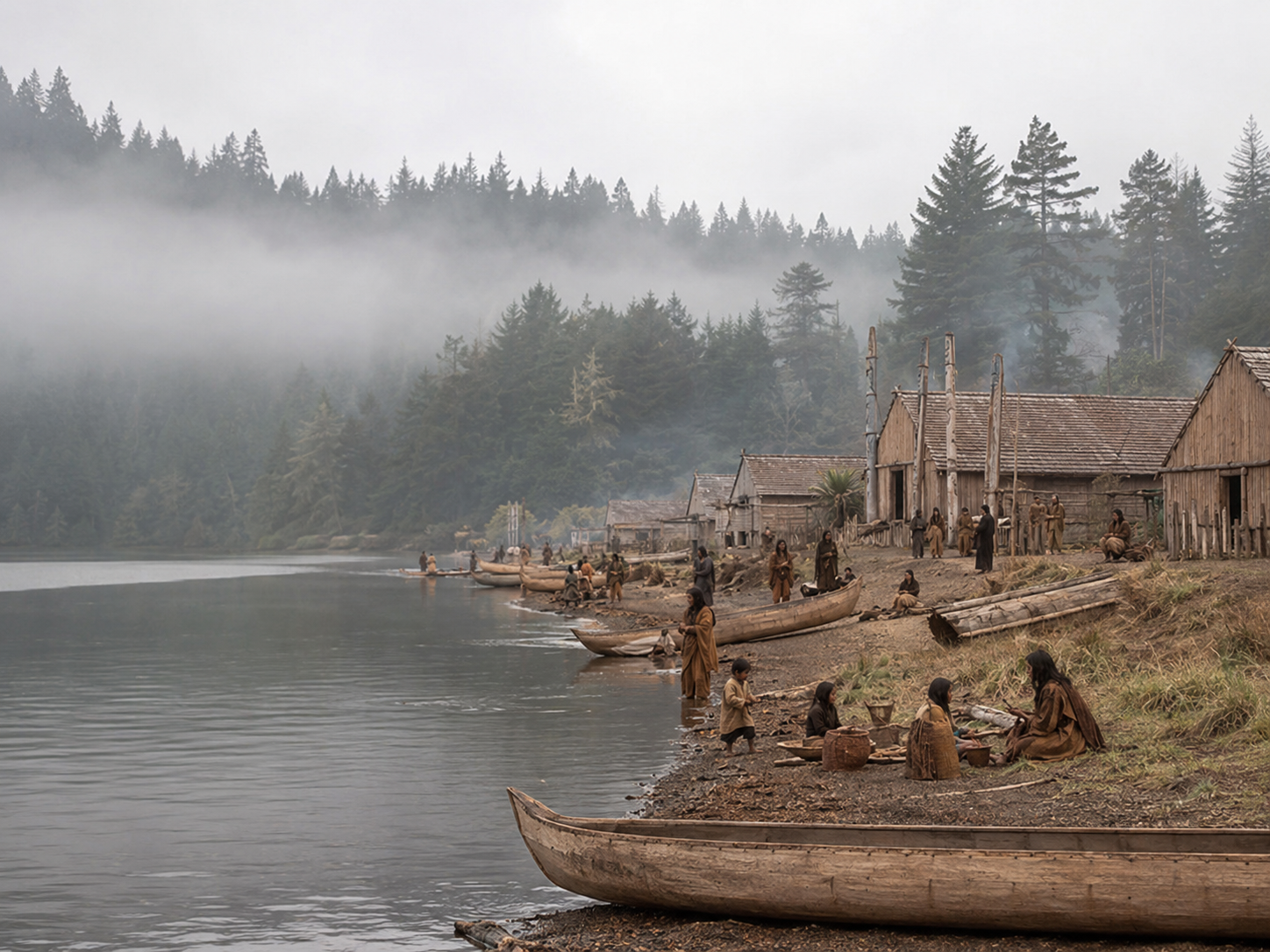
Long before Oregon became a state, the Coquille people lived throughout southwestern Oregon. Their villages were often built near rivers, bays, estuaries, and tidewaters where travel was easier and food was plentiful. The Coquille River was especially important, flowing from the Coast Range toward Bandon and the Pacific Ocean.
Permanent villages were commonly located along the lower Coquille River between Bandon and Myrtle Point, with others near the upper forks of the river and around lower Coos Bay and South Slough. These places provided access to salmon, lamprey, shellfish, deer, elk, berries, roots, and plants used for food, tools, baskets, medicine, and daily life.
Traditional Coquille homes were often built from timbers and planks. These were not temporary camps. They were strong village homes tied to family groups, seasonal food cycles, and the rhythm of coastal life. Canoes connected communities by river and bay, and the surrounding forests supplied materials for homes, tools, and cultural life.
The name “Coquille” is commonly pronounced “KOH-kwel” when referring to the Tribe. Visitors may also see the spelling Ko-Kwel used in modern Tribal-owned businesses and cultural references.
Life Along the Rivers, Bays, and Forests
The Oregon Coast can look wild and rugged to visitors today, but for the Coquille people it has always been a homeland filled with knowledge. Every bend in the river, every marsh edge, every salmon run, and every sheltered bay held meaning.
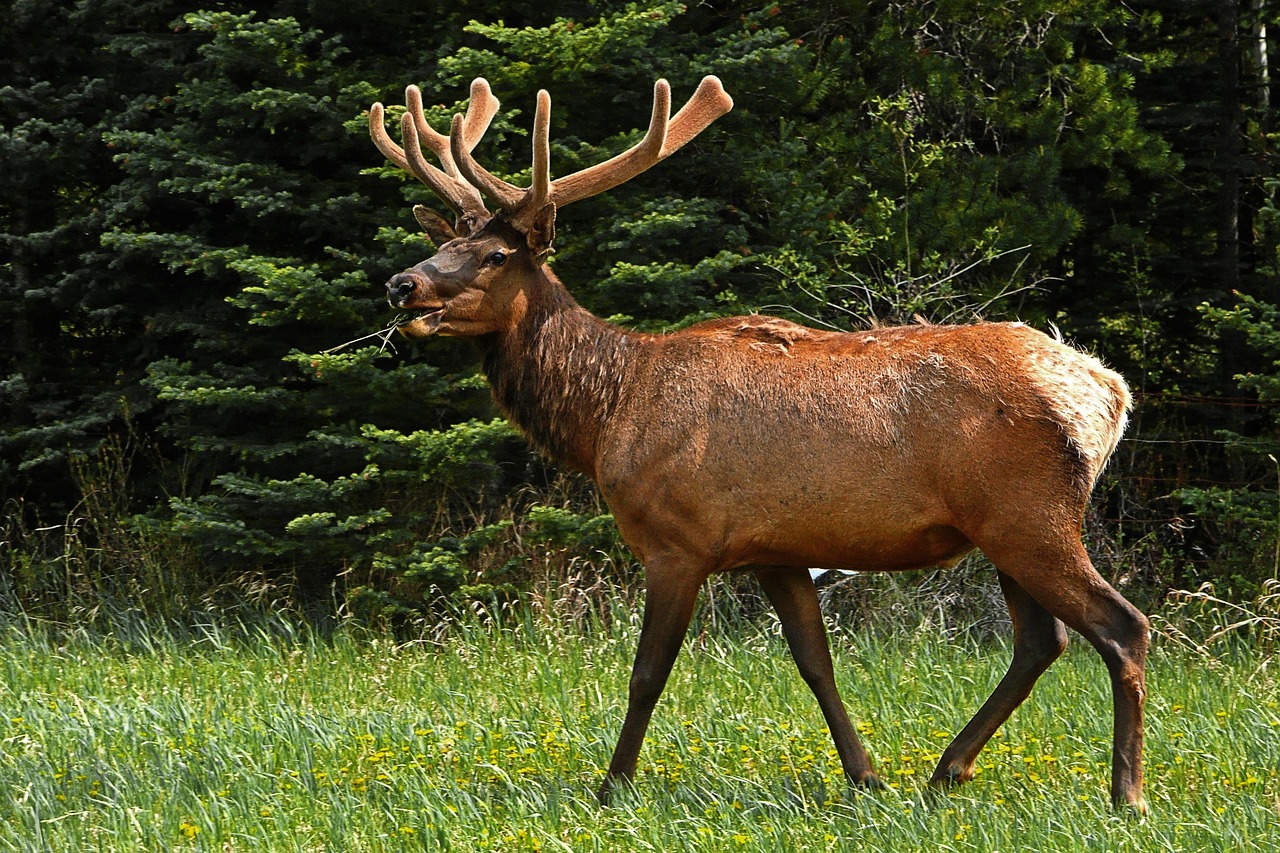
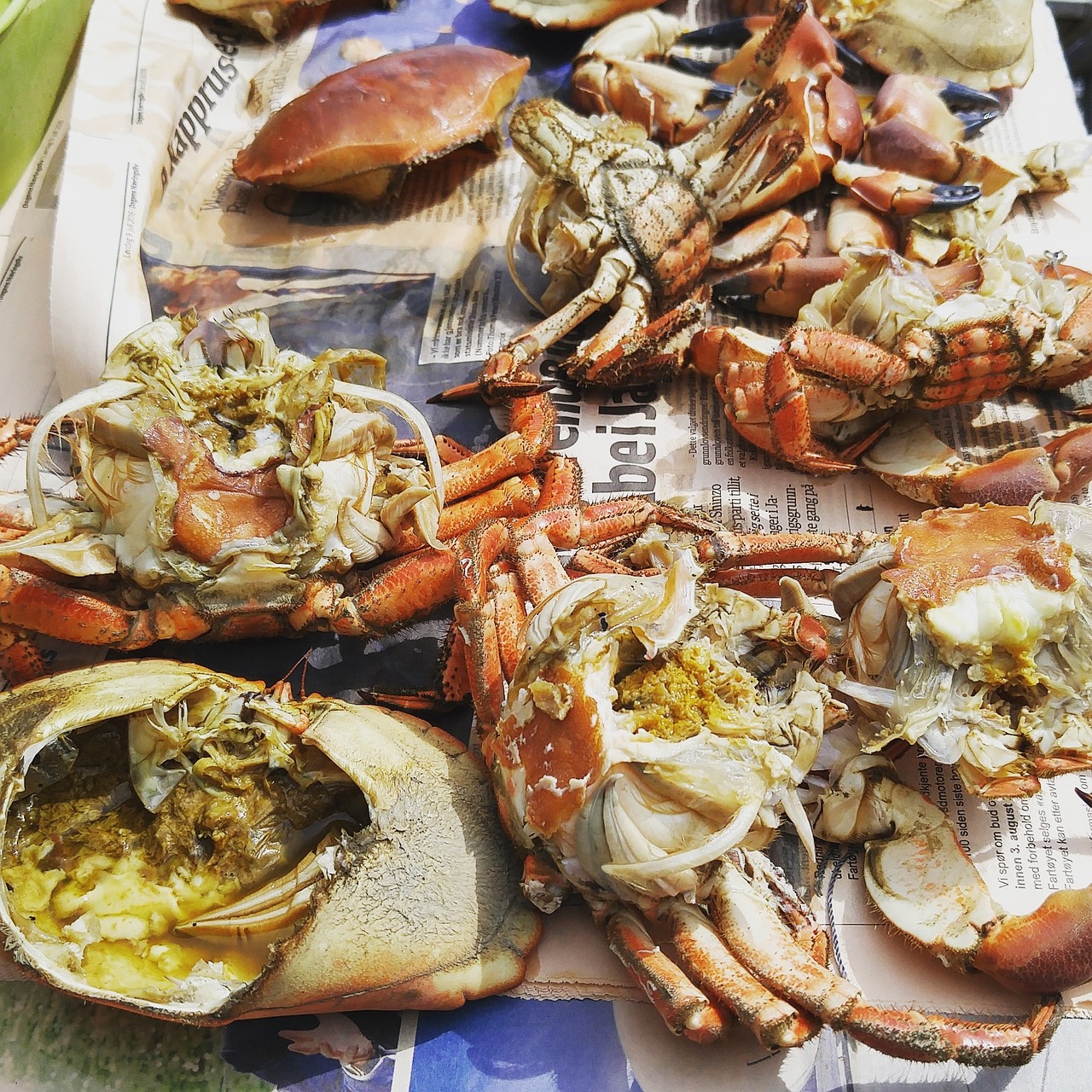
Food was gathered from land and water. Salmon and other fish were central to life. Shellfish came from bays and estuaries. Deer and elk were hunted in nearby valleys and forests. Berries, roots, and plants were gathered seasonally. The people moved with the land, not against it.
The Tribe’s relationship with the natural world was practical, spiritual, and generational. This deep connection continues today through cultural education, stewardship of forest lands, protection of resources, and renewed attention to language, ceremony, and traditional knowledge.
Contact, Disease, Removal, and Loss
Like many Native nations of the Pacific Northwest, the Coquille people endured devastating change after outside contact. European diseases reached Native communities even before large numbers of settlers arrived. Smallpox, measles, influenza, malaria, and other diseases caused tremendous loss.
As American settlement expanded, Native communities faced pressure, violence, displacement, and broken promises. In the 1850s, many Native people from the Oregon Coast were removed from their homelands. Some Coquille people were forced north to reservation lands, while others remained, returned, or maintained ties to their ancestral places despite great hardship.
This era deeply disrupted Coquille families, culture, land ownership, and traditional ways of life. Yet the Tribe survived. Families carried stories, identity, and memory forward even through removal, poverty, government control, and separation from homeland.
Termination and Restoration
One of the most painful chapters in modern Coquille history came in 1954, when the federal government terminated its recognition of the Coquille Tribe. Termination was a federal policy that attempted to end the government-to-government relationship between the United States and many Native nations.
For the Coquille people, termination meant the loss of federal recognition and many services and protections tied to Tribal status. But termination did not erase the people. It did not erase their ancestry, their community, or their connection to southwestern Oregon.
After decades of organizing and persistence, the Coquille Indian Tribe regained federal recognition on June 28, 1989. This restoration marked a turning point. The Coquille people were once again recognized as a sovereign Indian nation, and the Tribe began rebuilding government, services, cultural programs, land stewardship, and community infrastructure.
Restoration is one of the most important parts of the modern Coquille story. It represents survival, leadership, and the determination of Tribal citizens who refused to let their nation disappear on paper or in memory.
The Coquille Tribe Today
Today, the Coquille Indian Tribe is a major presence on Oregon’s South Coast. The Tribe is involved in health care, education, housing, elder services, forestry, cultural preservation, hospitality, and local employment.
The Coquille Forest, made up of thousands of acres in eastern Coos County, is an important part of the Tribe’s modern land base. The forest supports Tribal programs and reflects the Tribe’s ongoing responsibility to care for the land. The Tribe also manages and supports cultural education, language work, historic preservation, and community services.
Visitors to the Coos Bay, North Bend, Bandon, and Coquille areas may encounter the Tribe’s modern presence through cultural information, local museums, Ko-Kwel Casino Resort in Coos Bay, community events, and educational displays around Oregon’s South Coast.
Museums and Cultural Places to Visit
Coos History Museum — Coos Bay
For visitors who want to better understand the history of Oregon’s South Coast, the Coos History Museum in Coos Bay is one of the best places to begin. The museum explores the region’s Native history, maritime history, logging, fishing, settlement, industry, and coastal communities.
Exhibits have included Native language revitalization and regional Tribal history, giving visitors a deeper understanding of the Indigenous cultures connected to Coos County and the surrounding coast. The museum is a good stop before exploring places like South Slough, Coos Bay, North Bend, Bandon, and the Coquille River.
Visitor tip: Check current hours and admission before you go. Museum schedules can change for holidays, events, and seasonal programming.
Coquille Valley Museum — Coquille
The Coquille Valley Museum focuses on the history of the Coquille Valley and its people. Its collections and displays often highlight local industries such as timber, dairy farming, coal mining, river transportation, and community life.
While this museum is broader than Tribal history alone, it helps visitors understand the valley landscape where Coquille history, settlement history, river travel, logging, and rural life intersect.
South Slough National Estuarine Research Reserve
South Slough, near Charleston and Coos Bay, is not a Tribal museum, but it is an important landscape for understanding the kind of estuary environment that has supported Native communities for thousands of years. Trails, wetlands, tide channels, forests, and interpretive areas help visitors see why sheltered bays and estuaries were so important.
A visit here pairs well with learning about the Coquille people because it gives you a real-world look at the coastal ecosystem — the water, plants, mudflats, shellfish habitat, and forest edges that shaped life on the South Coast.
Bandon and the Coquille River
Bandon sits near the mouth of the Coquille River, a deeply important area in Coquille homeland. Visitors can walk the waterfront, view the river, explore nearby beaches, and visit Bullards Beach State Park and the Coquille River Lighthouse area.
This is one of the best places to pause and think about the river not just as scenery, but as a travel route, food source, cultural place, and ancestral homeland.
Visitor Information for Learning Respectfully
When visiting places connected to the Coquille Indian Tribe, approach the experience with respect. This is not just history from long ago. These are living communities, living cultures, and living homelands.
A few respectful travel tips:
Visit museums and interpretive sites with curiosity, not assumptions.
Use the Tribe’s own website and official resources when learning about history and culture.
Do not enter private Tribal lands or cultural sites unless they are clearly open to the public.
Be respectful at ceremonies, gatherings, or cultural events. Ask before taking photos if people are present.
Remember that beaches, rivers, forests, and estuaries may hold cultural significance even when they look like ordinary public scenery.
Support Native-owned businesses and local South Coast museums when possible.
Suggested One-Day South Coast History Route
Start in Coos Bay at the Coos History Museum. Spend time with the regional exhibits and look for displays connected to Native history, maritime life, and South Coast communities.
Next, drive toward South Slough or Charleston to experience the estuary landscape. Walk a trail, look at the tide channels, and notice how water, forest, and food sources come together.
From there, continue south toward Bandon and the Coquille River. Walk the waterfront, visit the beach, and view the Coquille River Lighthouse area near Bullards Beach. This route helps connect museum learning with the real coastal places that shaped the Coquille homeland.
If you have extra time, drive inland toward the city of Coquille and the Coquille Valley Museum to learn more about valley history, river travel, logging, farming, and community life.
Why the Coquille Story Matters
The story of the Coquille Indian Tribe is one of place, loss, survival, and renewal. It is the story of people whose ancestors lived with the rivers and bays of southwestern Oregon for thousands of years. It is also the story of a nation that endured disease, displacement, federal termination, and decades of struggle — and still rebuilt.
For Oregon Coast visitors, learning about the Coquille Tribe changes the way the landscape feels. The Coquille River becomes more than a pretty waterway. South Slough becomes more than a wetland. Bandon becomes more than a beach town. Coos Bay becomes more than a harbor.
These places are part of a much older human story.
When you travel through Oregon’s South Coast, take the time to learn the names, histories, and living cultures of the Native nations who have always belonged here. The Coquille Indian Tribe is not a footnote in Oregon history. It is a sovereign nation, a coastal people, and a continuing presence in the heart of southwestern Oregon.