The Great Coastal Newt Migration: A Strange Late-Fall Event in Oregon’s Rainforests
Something strange happens in the forests of the Oregon Coast when the heavy rains of late fall finally arrive.
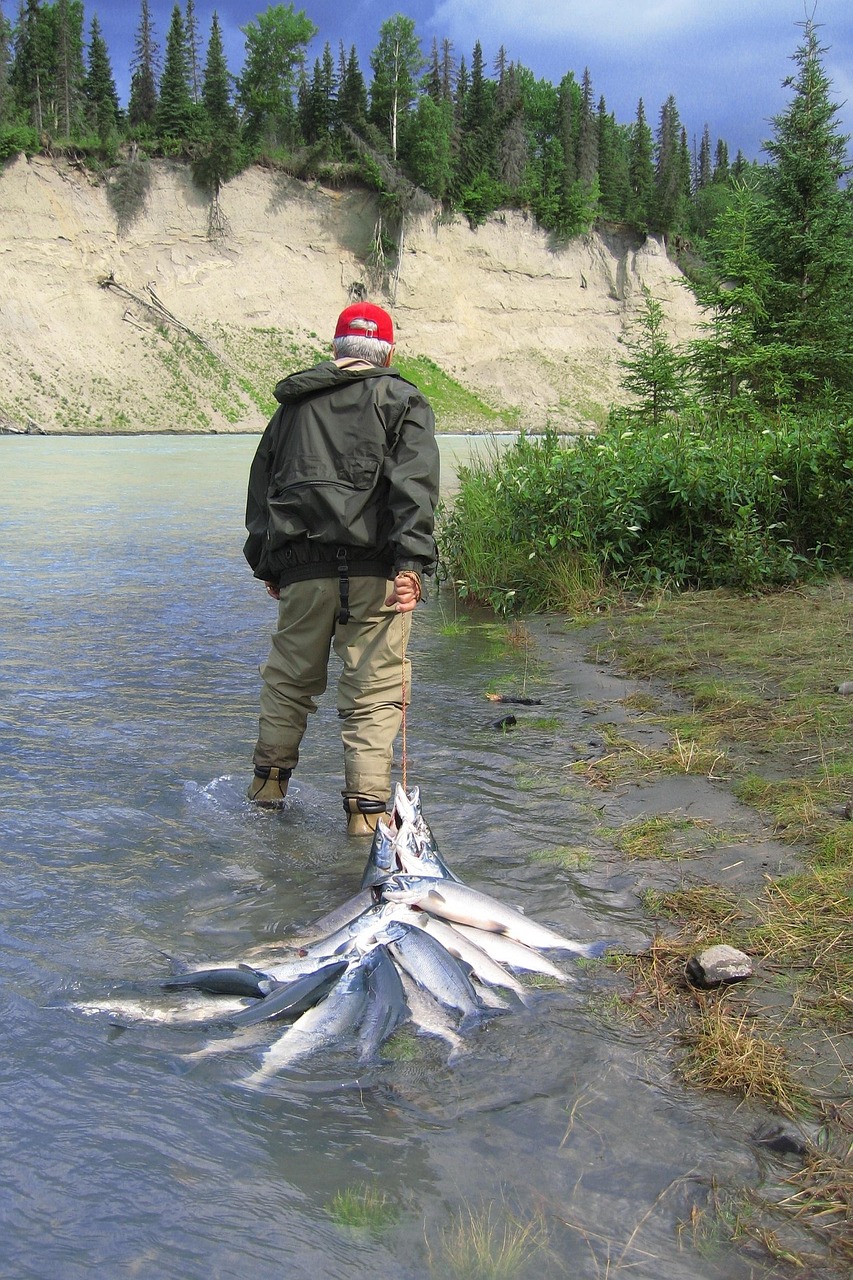
While most people are watching giant waves, chasing fall Chinook or staying warm inside a coastal cabin, tiny creatures begin crawling out from underneath logs, moss and layers of wet leaves.
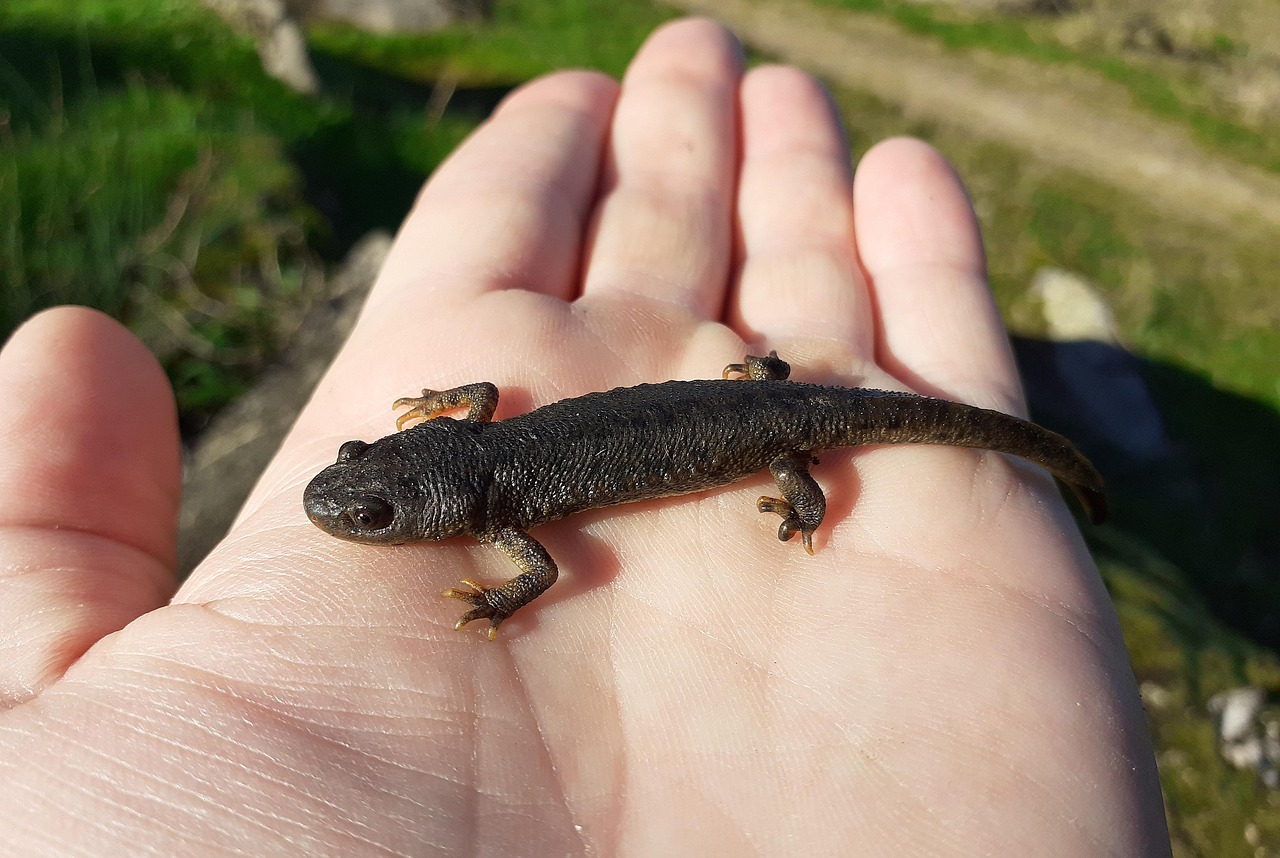
Rough-skinned newts are on the move.
These little amphibians are common throughout western Oregon, but the wettest months give visitors a much better chance of encountering them. Once autumn rain saturates the forest floor, newts can become surprisingly active as they move through the woods and around ponds, wetlands and slow-moving water.
For hikers willing to throw on a rain jacket and muddy boots, it can turn an ordinary November forest walk into a miniature wildlife safari.
When the Forest Wakes Up
Late fall changes the Oregon Coast almost overnight.
After months of relatively dry summer weather, Pacific storms begin dumping rain across the Coast Range.
Creeks start flowing harder.
Seasonal pools return.
Mushrooms explode from rotting logs.
Moss covering the trees becomes almost impossibly green.
And amphibians begin taking advantage of the moisture.
Rough-skinned newts are especially interesting because they don't look particularly intimidating. They're usually brownish on top with a brilliant orange or yellow-orange underside.
But don't let that innocent appearance fool you.
These little guys possess an extremely potent defensive toxin.
That means this is definitely a look-but-don't-handle wildlife encounter, especially for children and pets.
Go Exploring After a Good November Rain
If I were searching for newts on the Oregon Coast, I wouldn't wait for a beautiful sunny afternoon.
I'd go after rain.
A damp, gray November morning is perfect.
I'd choose a forest trail near wetlands, ponds, creeks or other freshwater habitat and simply start walking slowly.
That's the trick.
Most hikers move too fast.
You're not searching for elk or black bears. You're looking for a small brown amphibian that blends almost perfectly into wet leaves and muddy trails.
Once you slow down, you'll be amazed at what starts appearing.
A mushroom growing from a stump.
A banana slug sliding across the trail.
Tiny frogs disappearing beneath vegetation.
Salamanders hiding underneath forest debris.
And occasionally, a rough-skinned newt marching confidently across the trail as though it owns the place.
Cape Perpetua Is Perfect Newt Country
One place I'd put high on my list is the forest around Cape Perpetua near Yachats.
Most travelers visit Cape Perpetua for its incredible ocean views, but turn your back toward the forest and you're entering an entirely different world.
Massive trees tower above thick ferns and moss-covered logs. Small streams tumble down toward the Pacific, and November rain transforms the forest into a dripping green jungle.
Take one of the forested trails and pay attention to the ground.
The slower you travel, the more you'll notice.
The cool part is that you can combine two completely different Oregon Coast adventures in the same afternoon.
Spend the morning exploring the rainforest.
Then drive down toward the ocean and watch late-fall waves crashing against the rocky coastline.
Forest and Pacific within minutes of each other.
That's classic Oregon.
They're Surprisingly Bold
One of the funniest things about rough-skinned newts is their attitude.
They aren't exactly built for speed.
Instead of sprinting away when danger approaches, they may slowly continue crawling along.
There's a good reason for that confidence.
Their skin contains tetrodotoxin, a powerful neurotoxin that discourages predators from eating them.
Their bright orange underside serves as a warning.
If threatened, a newt may arch its body and expose that orange coloration as if to say:
You really don't want to eat me.
And most predators get the message.
Watch the Road Too
There is another reason late fall is an important time to pay attention to these animals.
Roads frequently cut through amphibian habitat.
During wet weather, newts and other amphibians may attempt to cross roads while moving between forest and aquatic environments.
That can make vehicles a serious threat.
If you're driving slowly along forest roads on a rainy evening or morning, keep an eye on the pavement.
What looks like a leaf from a distance might suddenly start walking.
Don't Pick Them Up
Finding a newt can be exciting, especially for kids, but resist the temptation to handle one.
Observe it.
Photograph it.
Let it continue on its way.
Their defensive toxin is another good reason to keep your hands off them, and wildlife is usually better off when we simply watch without interfering.
Dogs deserve extra attention as well. A curious dog investigating or mouthing a newt can potentially be exposed to its toxin.
Give the little amphibian plenty of room.
Turn It Into a Late-Fall Wildlife Hunt
This is what makes newt searching such a fun November activity.
You never know what else you'll discover.
The Oregon Coast rainforest becomes incredibly active when the rains return.
You might find chanterelles pushing through the forest floor, enormous banana slugs crossing trails, frogs hiding beside creeks and salamanders tucked into damp corners.
Roosevelt elk may appear along forest edges.
Bald eagles circle above rivers.
Salmon may be moving upstream nearby.
Even if you never find a newt, you've spent a morning exploring one of the richest environments in the Pacific Northwest.
That's not exactly a bad consolation prize.
A Completely Different Side of the Oregon Coast
Late fall doesn't always have to mean storm watching.
Sometimes the best adventure is happening underneath your boots.
The first heavy rains transform Oregon's coastal forests into an entirely different landscape. Water returns to the creeks. Moss brightens. Mushrooms appear.
And little orange-bellied newts begin wandering through the wet forest.
So sometime this November, skip the perfect-weather requirement.
Wait until it rains.
Grab waterproof boots and a good rain jacket.
Find a coastal forest trail.
Then slow way down.
Because somewhere underneath those towering trees, a tiny prehistoric-looking creature may be making its own late-fall journey through the Oregon rainforest.