The History of the Alsea People: Newport Oregon
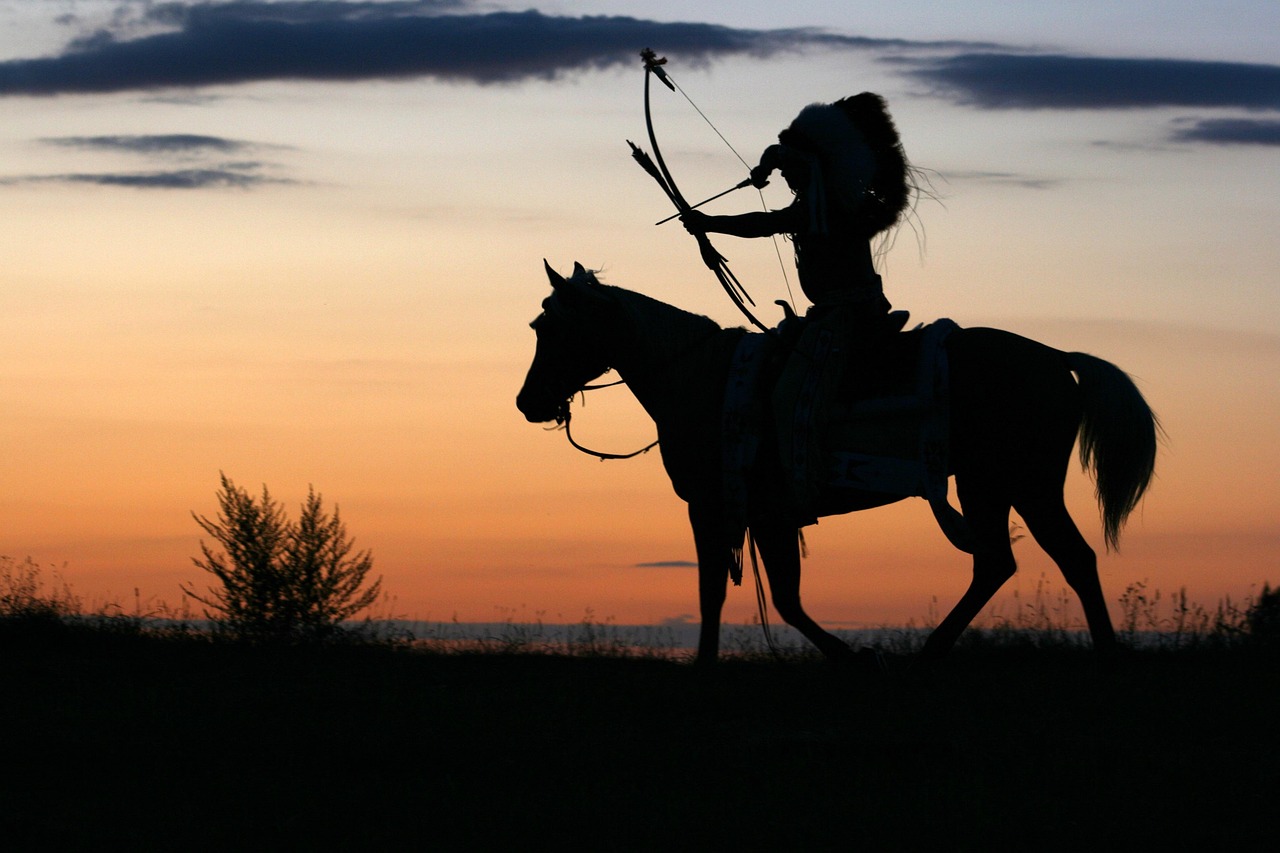
The Alsea people are a Native American tribe historically inhabiting the central Oregon coast, primarily around the Alsea River, Newport and the nearby coastal areas. They are part of the larger group of coastal Oregon tribes and were closely related to other Penutian-speaking tribes of the region. Although their language, Alsea, is now extinct, the cultural and historical legacy of the Alsea people continues through their descendants, particularly within the Confederated Tribes of Siletz Indians.
Early Life and Settlement
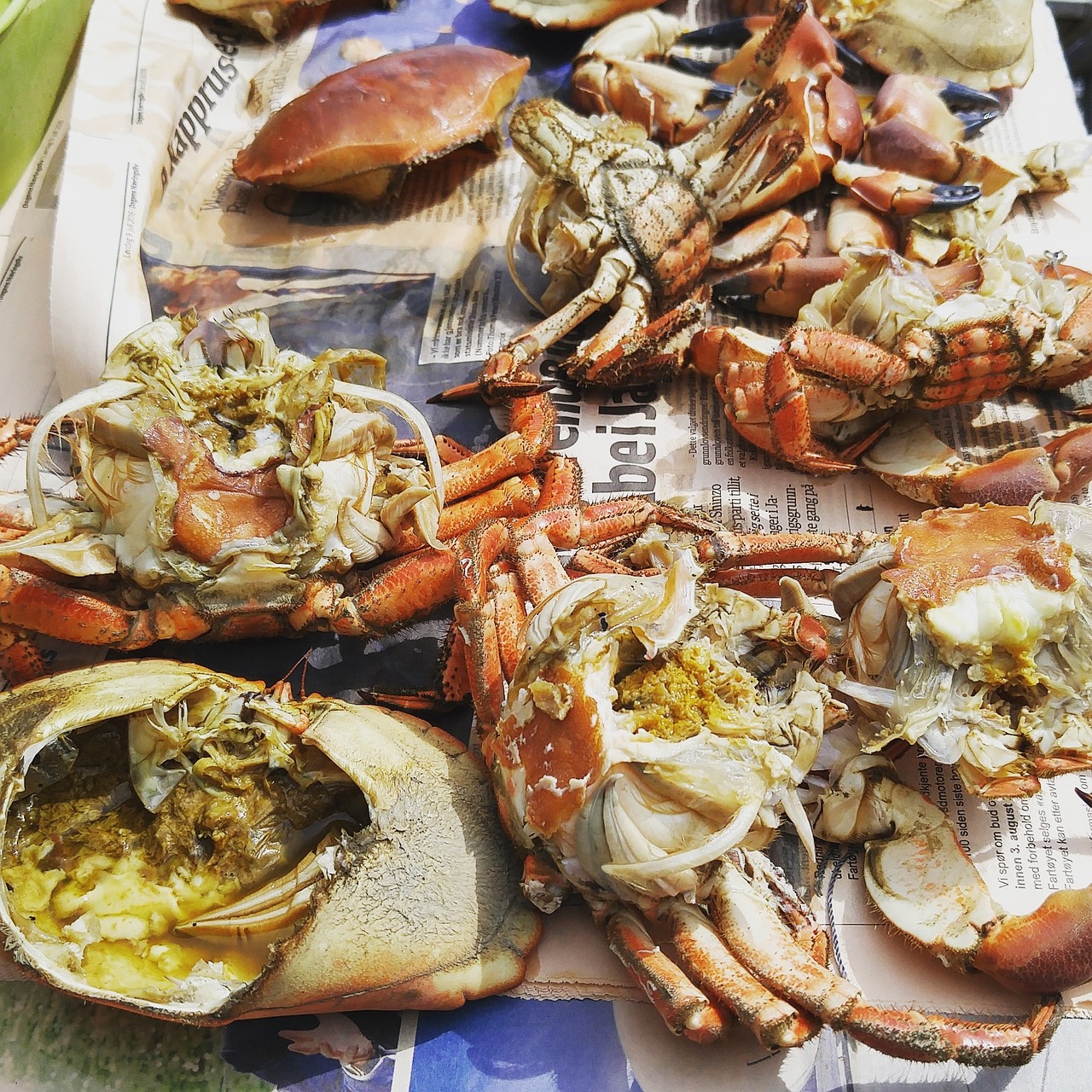
The Alsea were traditionally semi-nomadic, following seasonal patterns that aligned with the natural cycles of the region. Their territory spanned the Alsea River watershed and extended to the Pacific coastline, giving them access to a remarkable diversity of resources. The river and coastal waters provided abundant salmon, sturgeon, shellfish, and other fish, while the forests and meadows offered game animals, berries, and roots.
Villages were typically small and family-based, often consisting of a few extended families living in plank houses made of cedar. These structures were long and rectangular, designed to withstand the damp coastal climate and the heavy rains of the Pacific Northwest. Canoes carved from massive cedar logs were essential for transportation, fishing, and trade. The Alsea were skilled navigators, moving efficiently along the river systems and even venturing along the open coast for fishing and trading trips.
Food, Economy, and Resource Management
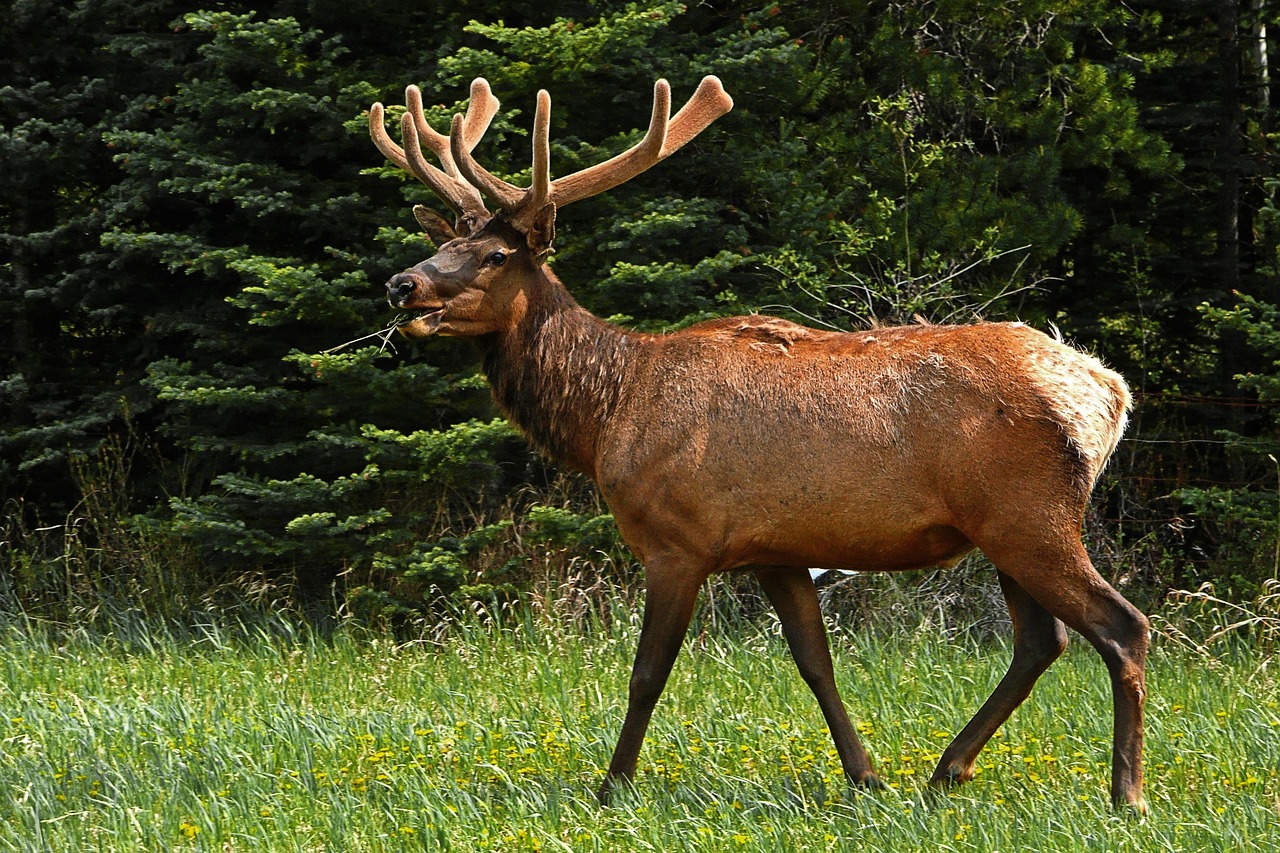
The Alsea people’s survival was intricately tied to their understanding of the environment. Salmon was central to their diet and culture, and the tribe developed sophisticated methods of fishing, including traps, nets, and weirs. They also harvested shellfish along tidal flats and hunted deer, elk, and small game in the forests. Camas bulbs, wild berries, and other edible plants supplemented their diet and were often processed and stored for winter months.
Trade networks extended along the Oregon coast and inland, allowing the Alsea to exchange fish, shells, tools, and other goods with neighboring tribes. They were also known for crafting items from bone, wood, and shell, including tools, clothing, and ornamental items, which were highly valued in regional trade.
Social Structure and Culture
The Alsea were organized around family-based villages, with social life centered on kinship, cooperation, and seasonal activities. Leadership was often informal and situational, with elders and skilled hunters or fishermen holding respected roles.
Oral tradition was essential for preserving history, mythology, and moral teachings. Stories recounted creation myths, tales of animals and humans, and lessons about respect for the natural world. Spirituality permeated daily life, with ceremonies tied to fishing, hunting, and seasonal cycles. Shamans acted as healers, spiritual guides, and mediators between humans and the spiritual realm, guiding the community in times of hardship or uncertainty.
Language
The Alsea language, now extinct, was part of the Coast Oregon Penutian family. It was unique to the tribe, reflecting their specific worldview and environmental knowledge. Language was central to storytelling, rituals, and daily communication. Unfortunately, as European contact intensified and assimilation policies took hold, the Alsea language gradually disappeared.
European Contact and Its Consequences
The first recorded contact between the Alsea and Europeans occurred in the late 18th and early 19th centuries, as explorers, fur traders, and settlers arrived along the Oregon coast. This contact had profound consequences. The introduction of diseases like smallpox, measles, and influenza devastated the Alsea population, as they had no immunity to these illnesses.
By the mid-19th century, the U.S. government’s westward expansion began to further disrupt Alsea life. Treaties, land claims, and forced relocation brought the Alsea into contact with other tribes on reservations. These policies often prohibited traditional practices, restricted movement, and attempted to assimilate Native peoples into European-American culture. Boarding schools and missionary efforts further eroded cultural continuity, leading to the loss of language, spiritual practices, and traditional knowledge.
Modern Alsea Descendants
Today, descendants of the Alsea people are primarily part of the Confederated Tribes of Siletz Indians, a federally recognized tribe in Oregon. While the Alsea language is no longer spoken, tribal efforts focus on preserving and revitalizing cultural practices, traditions, and historical knowledge. Fishing, gathering, and craft traditions are maintained, and ceremonies honoring ancestral ways continue to be practiced.
Educational programs and cultural initiatives aim to teach younger generations about Alsea history, language, and heritage. Tribal members also work to protect ancestral lands and natural resources along the Oregon coast, maintaining the deep connection to the environment that has always been central to Alsea identity.
Legacy
The history of the Alsea people is a story of resilience, adaptation, and cultural continuity despite centuries of disruption. Their knowledge of the rivers, forests, and coastlines of Oregon, as well as their spiritual and social traditions, continues to influence descendants and the broader understanding of Native American life in the Pacific Northwest.
The Alsea legacy is a reminder of the intricate relationship between humans and their environment, the importance of community and tradition, and the enduring strength of cultural identity. Even as the tribe faced immense challenges, the survival of their heritage through descendants and cultural preservation demonstrates the remarkable resilience of the Alsea people.