Wild Coyotes on the Oregon Coast: The Coast’s Clever, Elusive Predator
Along the rugged shoreline and forested headlands of the Oregon Coast lives one of the region’s most adaptable and intelligent wild animals—the coyote. Often heard long before they are seen, coyotes are an important part of the coastal ecosystem. Their haunting nighttime howls echo through dunes, forests, and estuaries from Astoria to Brookings, reminding visitors that even along a popular tourist coastline, true wilderness still exists.
Despite their reputation as secretive predators, coyotes have become increasingly common along Oregon’s beaches, coastal forests, and even near small coastal towns. Understanding their behavior and role in nature helps locals and travelers appreciate these remarkable animals while safely sharing the landscape with them.
A Perfect Survivor of the Oregon Coast
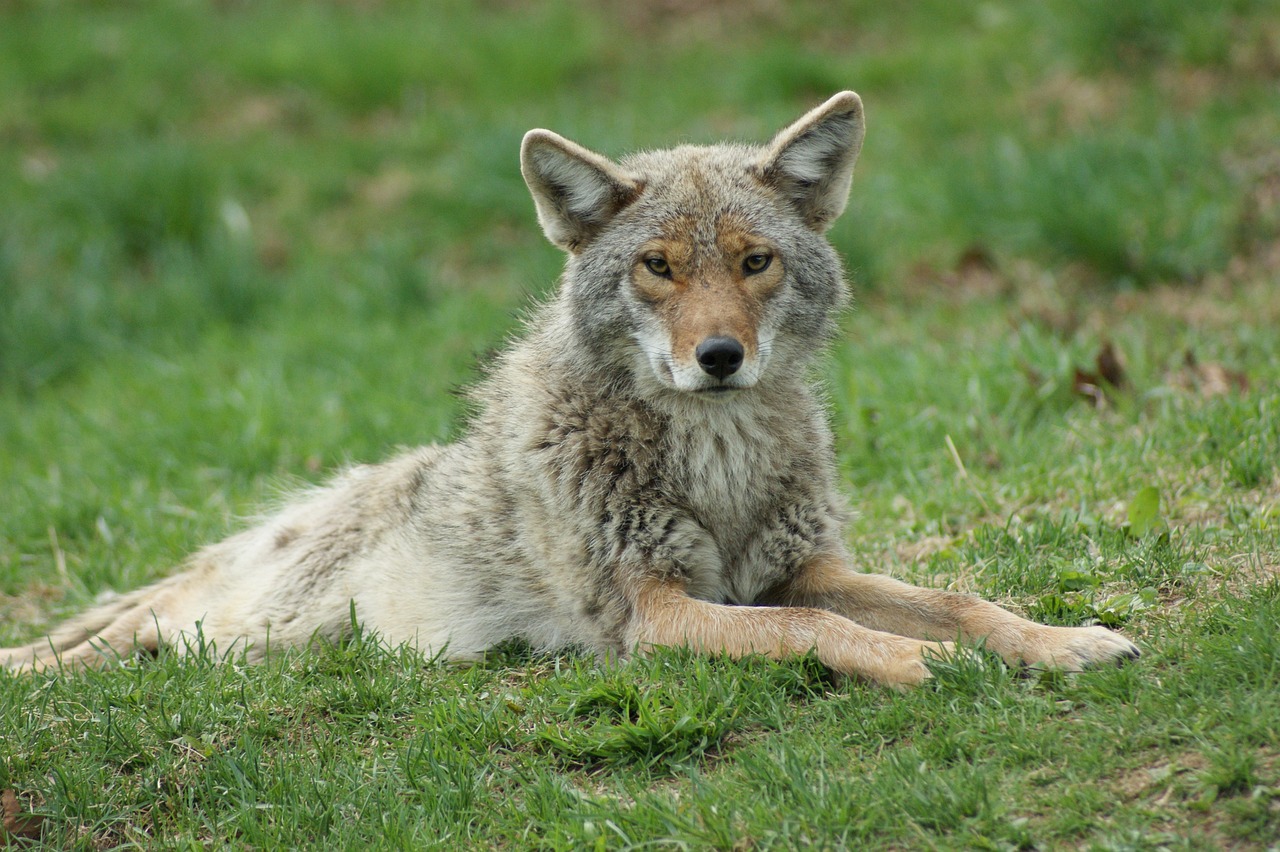
Coyotes (Canis latrans) are one of North America’s most successful predators. Originally native to the open plains of the western United States, they have expanded across nearly the entire continent—including the diverse habitats of the Oregon Coast.
Along the coast, coyotes thrive in areas such as:
- Coastal dunes and beach grass fields
- Estuaries and marshlands
- Dense Sitka spruce forests
- River mouths and tide flats
- Rural farmland and edge habitats
This adaptability allows them to survive in places where other predators struggle. Coyotes are opportunistic omnivores, meaning they eat whatever food sources are available.
Common prey on the Oregon Coast includes:
- Small mammals like mice, voles, and rabbits
- Birds and seabirds
- Crabs and shellfish washed ashore
- Fish carcasses from rivers and beaches
- Insects and berries
- Occasionally deer fawns
Because they help control rodent populations and remove carrion from the environment, coyotes play a valuable ecological role in keeping coastal ecosystems balanced.
When and Where You Might See a Coyote
Coyotes are mostly crepuscular, meaning they are most active at dawn and dusk. However, along the Oregon Coast they are sometimes spotted during the day, especially in quiet dune systems or remote beaches.
Popular areas where coyotes are occasionally seen include:
- The Oregon Dunes National Recreation Area
- Remote beaches near Cape Perpetua
- Estuaries around Waldport and Alsea Bay
- Coastal forests near Florence
- The Samuel H. Boardman Scenic Corridor
Early morning beach walks often reveal coyote tracks in the sand, easily recognized by their oval shape and claw marks. Sometimes these tracks stretch for miles along the shoreline as coyotes patrol for food washed in by the tide.
The Sound of Coyotes at Night
One of the most unforgettable experiences on the Oregon Coast is hearing coyotes howling after dark. Their vocalizations can include:
- Long, rising howls
- Sharp yips and barks
- Group choruses that sound like dozens of animals
In reality, a small family group can sound much larger because coyotes change pitch rapidly when vocalizing together.
These nighttime calls serve several purposes:
- Communicating with pack members
- Marking territory
- Locating other coyotes
- Strengthening family bonds
For many coastal campers and cabin visitors, the eerie chorus drifting across the dunes becomes a memorable part of the Oregon wilderness experience.
Coyotes and Coastal Communities
As human development has expanded along the Oregon Coast, coyotes have learned to live near towns and rural neighborhoods. While sightings are becoming more common, conflicts are still relatively rare.
Most problems occur when coyotes become accustomed to human food sources, such as:
- Garbage left unsecured
- Pet food outside homes
- Fish scraps from cleaning stations
- Small unattended pets
Wildlife experts recommend several simple steps to reduce conflicts:
- Never feed coyotes intentionally
- Secure garbage and food waste
- Keep pets indoors at night
- Use fencing and lighting around livestock or chickens
- Make noise and appear large if a coyote approaches too closely
Coyotes are naturally cautious of humans, and maintaining that fear helps keep interactions safe for both people and wildlife.
Signs Coyotes Are in the Area
Even if you never see one, coyotes leave clues behind. Coastal hikers and beachcombers often notice:
- Tracks in sand or mud
- Scat (droppings) containing fur, bones, or berries
- Feeding remains from small animals
- Howling or yipping sounds after sunset
In dune systems especially, coyotes often follow the same paths repeatedly, leaving well-defined trails through beach grass.
Respecting Oregon’s Wild Coast
Coyotes have lived on the Oregon Coast long before modern towns, highways, and tourism arrived. Their intelligence and adaptability have allowed them to survive dramatic environmental changes, making them one of the most resilient predators in North America.
For visitors exploring the coast’s beaches, forests, and dunes, spotting a coyote can be a rare and thrilling reminder that the Pacific Northwest still holds pockets of true wildness.
The best approach is simple: observe from a distance, respect their space, and appreciate the role they play in Oregon’s coastal ecosystem.
And if you ever hear a pack howling across the dunes on a foggy coastal night, you’re hearing one of the most ancient and haunting sounds of the Pacific Northwest wilderness.