Winter Steelhead on the Chetco River: Brookings Oregon
The Chetco will test you.
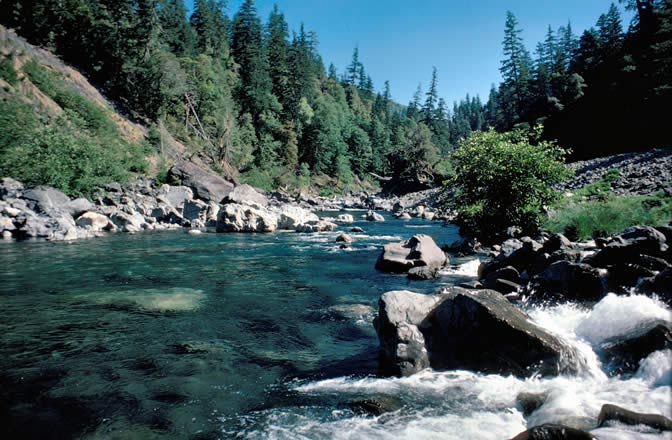
The rain is coming in sideways when I step out of the truck. Hood cinched tight. Hands already cold. The river is up and moving fast, that deep coastal green that tells you fish could be anywhere—or nowhere—and it’s all on you to figure it out. No gentle riffles. No friendly seams. Just power. Heavy water rolling out of the mountains and heading for the Pacific like it’s late for something.
That’s winter steelheading on the Chetco. You don’t finesse this river. You survive it.
I’ve fished plenty of Oregon coast rivers, but the Chetco feels different the second you see it. Bigger. Louder. More serious. These fish haven’t spent weeks crawling upstream through snaggy creeks. Most of them are fresh from salt, still bright, still angry, and they hit like they’ve got someplace to be.
Downriver toward Brookings, there’s still a hint of tide in the air. That matters. These steelhead are only a few heartbeats removed from the ocean, and they fight like it.
Learning to Slow Down in Fast Water
Early on, I made the mistake everyone makes here: I fished the obvious stuff. Big runs. Middle water. The kind of places that look fishy but burn energy fast and don’t give up much.
The Chetco teaches you to stop doing that.
Winter steelhead here move fast in high water, then pull over as soon as they can. They’re not sitting in the heavy push. They’re resting just outside of it—inside bends, soft edges, tailouts with depth. Places where they can breathe without stopping completely.
That’s where I start now. I stand still. Watch the bubbles. Watch the foam lines. Let the river tell me where it slows down, even just a little. Most days, the best water is closer to the bank than feels right. Knee-deep water with depth right off the edge. Walking-speed current you’d never look twice at if you were in a hurry.
I’ve learned not to rush this river. It’ll punish you if you do.
Gear That Matches the Mood
I don’t fish light on the Chetco. Not anymore.
My go-to setup is a 10’6” medium-heavy rod—long enough to control line, strong enough to lean on a fish when it tries to bulldog downstream. Reel’s spooled with 15-pound high-vis mono, because broken water eats subtlety alive. If I can’t see my line, I’m already behind.
Leaders run 10–12 pound fluorocarbon, sometimes lighter when the river drops and clears, but never so light that I’m afraid to pull. You don’t baby fish here. You steer them or you lose them.
Weight is the real adjustment. I carry more lead than I think I’ll need, and then I usually add more. Pencil lead or slinkies, just enough to tick bottom every few seconds. Not dragging. Not floating. Just tapping. If I’m not touching, I’m not in the game.
Bobber Fishing When the River Is Right
When the Chetco is dropping and green—three to five feet of visibility—that’s bobber time.
I’ll set my float deeper than feels comfortable. Everyone fishes too shallow at first. Steelhead hug bottom here, especially fresh fish resting after a push. I want that jig right in their face.
My confidence jigs are simple:
- Black and pink
- Purple
- Cerise
- Sometimes a two-tone when the water’s got color
I let the float drift naturally, mend when I have to, and watch like it owes me money. Takes can be violent, but more often it’s just a sideways slip. A pause that doesn’t belong.
When that float goes down, there’s no question. Rod loads, line snaps tight, and the river comes alive.
Drift Fishing the Soft Stuff
When flows level out, I switch to drifting. Shorter leaders. Slower presentation. I want that bait crawling, not bouncing.
Cured roe is king here. Natural reds when the water’s green. Darker clusters after a big blowout. Sometimes I’ll sweeten it with scent if the bite feels off. Cold water can make fish lazy, but it doesn’t make them blind.
Every drift is deliberate. Same slot. Same seam. Over and over. Steelhead don’t always grab it the first time, but when they do, it’s decisive.
Plunking Without Shame
There are days on the Chetco when standing still is the smartest move you can make.
High water. Limited holding water. Fish moving fast.
That’s when I plunk.
I set up on known travel lanes, especially closer to tidewater, and soak a Spin-N-Glo with sand shrimp or roe. Rod in a holder. Drag set light. Coffee steaming in the rain.
Fresh fish don’t linger, but they don’t ignore an easy meal either. When a Chetco steelhead commits, the rod doesn’t tap—it folds.
When It All Comes Apart
Hooking a winter steelhead here feels like stepping in front of traffic.
They run hard, straight into the heavy current, using the river like a weapon. You lean, they dig. You gain line, they take it back. Every mistake gets magnified.
More than once, I’ve stood there soaked, breathing hard, hands shaking, wondering who really won the fight—even after the fish slid into the shallows.
These fish are strong in a way that surprises you every time.
Timing the River, Not the Clock
The best days on the Chetco aren’t planned down to the hour. They’re planned around water movement.
I watch the gauges. I wait for the rise. I wait longer for the drop.
December through February can all be good, but January has a feel to it—cold rain, steady pressure, fish on the move. Some days the bite doesn’t happen early. Some days it turns on when you’re thinking about leaving.
I’ve learned to stay. To fish until the light really fades. The river often gives up its best fish when it finally settles down. When everything lines up—green water, fresh fish, the right seam—it gives you something earned. Cold hands. Wet gear. One violent take that erases the rest of the day. That’s winter steelheading on the Chetco. And every time I leave, I’m already thinking about the next rain.