Winter Steelhead on the Trask River: Tillamook Oregon
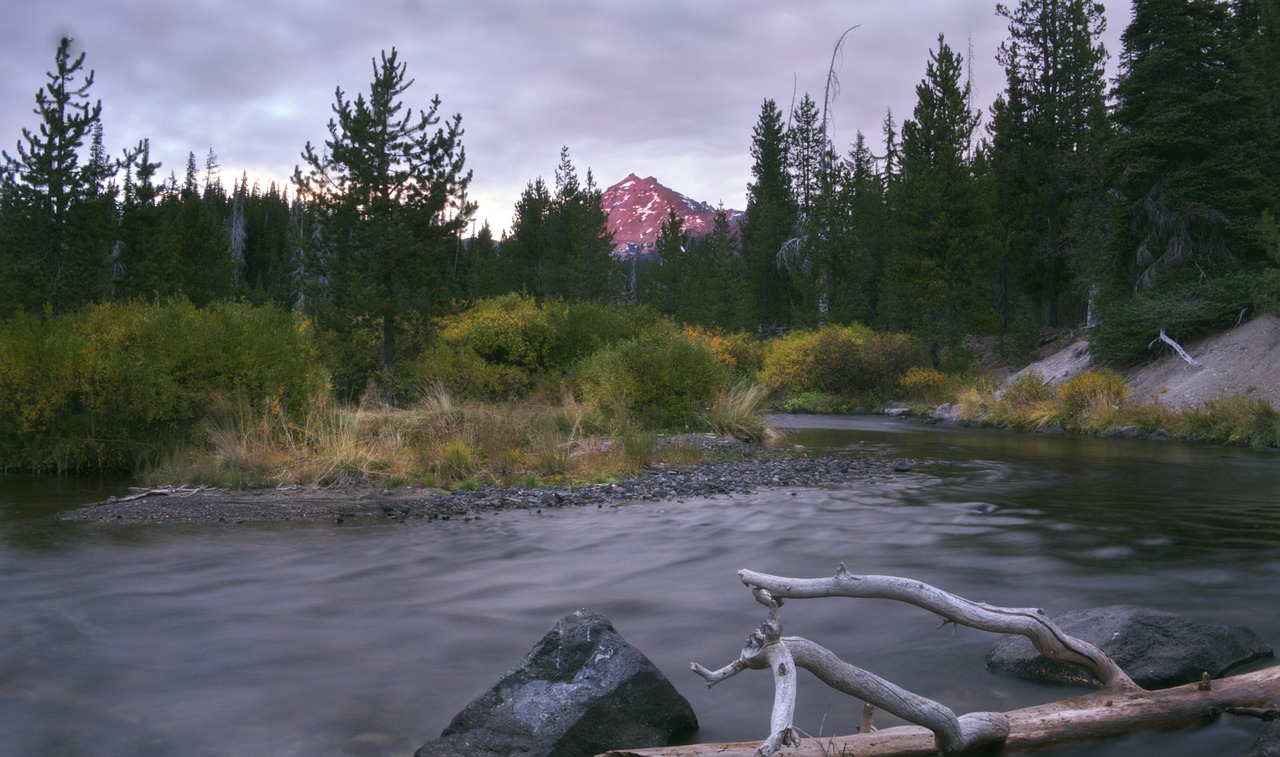
Flowing out of the Coast Range and into Tillamook Bay, the Trask — along with its North and South Forks — is a rain-driven system. When winter storms roll in from the Pacific, the river swells and colors up. This is when chrome-bright steelhead slip inland, hugging seams and edges, pushing upstream under gray skies and steady drizzle.
Fishing the Trask well means understanding how winter steelhead behave, how the river changes day-to-day, and how to adjust your gear and techniques to match both.
The Nature of Trask River Steelhead
Unlike nearby rivers like the Wilson or Nestucca, the Trask is primarily a wild steelhead river. Most fish encountered are naturally spawning, which shapes both regulations and the way anglers approach it. These fish tend to be older, stronger, and more selective, especially later in the season.
Seasonal Timing
- December: First push of fish after early storms. Numbers can be light but fish are aggressive.
- January–February: Prime time. Consistent rain brings steady waves of steelhead.
- March: Fewer fresh fish, but large, powerful holdovers remain — often harder to move, but memorable when hooked.
Steelhead enter the Trask on rising water. They don’t like extreme floods, but they love a river that’s climbing steadily, especially when it has 12–24 inches of visibility. This is when fish feel comfortable traveling during daylight hours.
Understanding Behavior
Winter steelhead are energy economists. Cold water slows their metabolism, so they position themselves where they can rest while still intercepting food or reacting to a passing presentation.
Key Holding Water on the Trask
- Tailouts of pools: Especially where depth tapers gradually
- Inside bends: Softer water with walking-speed current
- Seams below riffles: Where fast and slow water collide
- Structure: Boulder clusters, submerged logs, root wads
- Edge water during high flows: Often overlooked and extremely productive
In low, clear water, fish hold tight to cover and often move at dawn and dusk. In higher, stained water, they spread out and become more willing to chase — this is when spinners, swung flies, and brighter presentations shine.
Reading Conditions: The Most Important Skill
If there’s one thing the Trask teaches anglers, it’s this: conditions matter more than gear.
Ideal Conditions
- Slowly dropping or gently rising river
- Light green to steelhead-green color
- Overcast skies
- Recent rain (within 24–48 hours)
Tough Conditions
- Gin-clear, low water (requires finesse)
- Blown-out chocolate milk flows (fish tuck into margins)
- Rapidly falling water (fish go lock-jawed)
Successful anglers watch rain forecasts, not just river gauges. Often the best fishing happens as storms break, when the river stabilizes and fish pause in travel lanes.
Gear for Winter Steelhead on the Trask
Rods & Reels
- Spinning rods: 9’6”–10’6” medium or medium-heavy
- Casting rods: 8’6”–9’6” for drift fishing or plunking
- Spey rods: 11’–13’ switch or Spey rods are ideal for swinging flies in tighter runs
Reels should have smooth drags — winter steelhead fight hard and often use current to their advantage.
Line & Leaders
- Mainline: 10–15 lb braid or mono
- Leader: 8–12 lb fluorocarbon
- Fly setups: Sink tips ranging from 10–12 feet depending on depth and flow
Lighter leaders matter in clear water; don’t be afraid to drop down when conditions demand it.
Proven Techniques for the Trask
Drift Fishing & Bobber Rigs
This is one of the most effective methods on the Trask.
- Use beads, eggs, or small jigs
- Focus on seams and tailouts
- Keep drifts short and controlled
- Adjust depth constantly — steelhead won’t move far in cold water
Plunking
Plunking shines during higher flows when fish travel close to the bank.
- Fish sand shrimp or eggs
- Anchor rigs just off current seams
- Let scent and vibration do the work
Spinners & Spoons
Best when water has color or fish are actively moving.
- Cast quartering upstream
- Let the lure swing naturally
- Focus on walking-speed current
Bright colors work in stained water; silver and blue excel when clarity improves.
Swinging Flies
Swinging flies on the Trask is about precision, not distance.
- Fish classic travel lanes
- Short casts, methodical steps
- Let the fly slow and hang at the end of the swing
Productive Fly Patterns
- Black & blue intruders
- Purple leeches
- Egg-sucking leeches
- Green Butt Skunks
- Hot pink flies during dirty water
Downsize flies in clear conditions — subtlety often wins.
Access, Etiquette, & Respect
The Trask offers public access near roads and bridges, but much of the river flows through private land. Always:
- Respect posted signs
- Leave gates as you find them
- Give other anglers space
- Practice careful catch-and-release
Wild steelhead deserve careful handling: keep fish in the water, minimize air exposure, and let them recover fully before release.
Winter fishing is demanding.
- Wear layered, waterproof clothing
- Use studded boots or a wading staff
- Watch water levels closely — the Trask can rise fast
- Never wade beyond your comfort level
Cold water and slick rocks are unforgiving; caution keeps trips enjoyable.
Watch the weather. Read the water and adjust your approach.