Amanita Muscaria: The Iconic Toadstool of the Oregon Coast
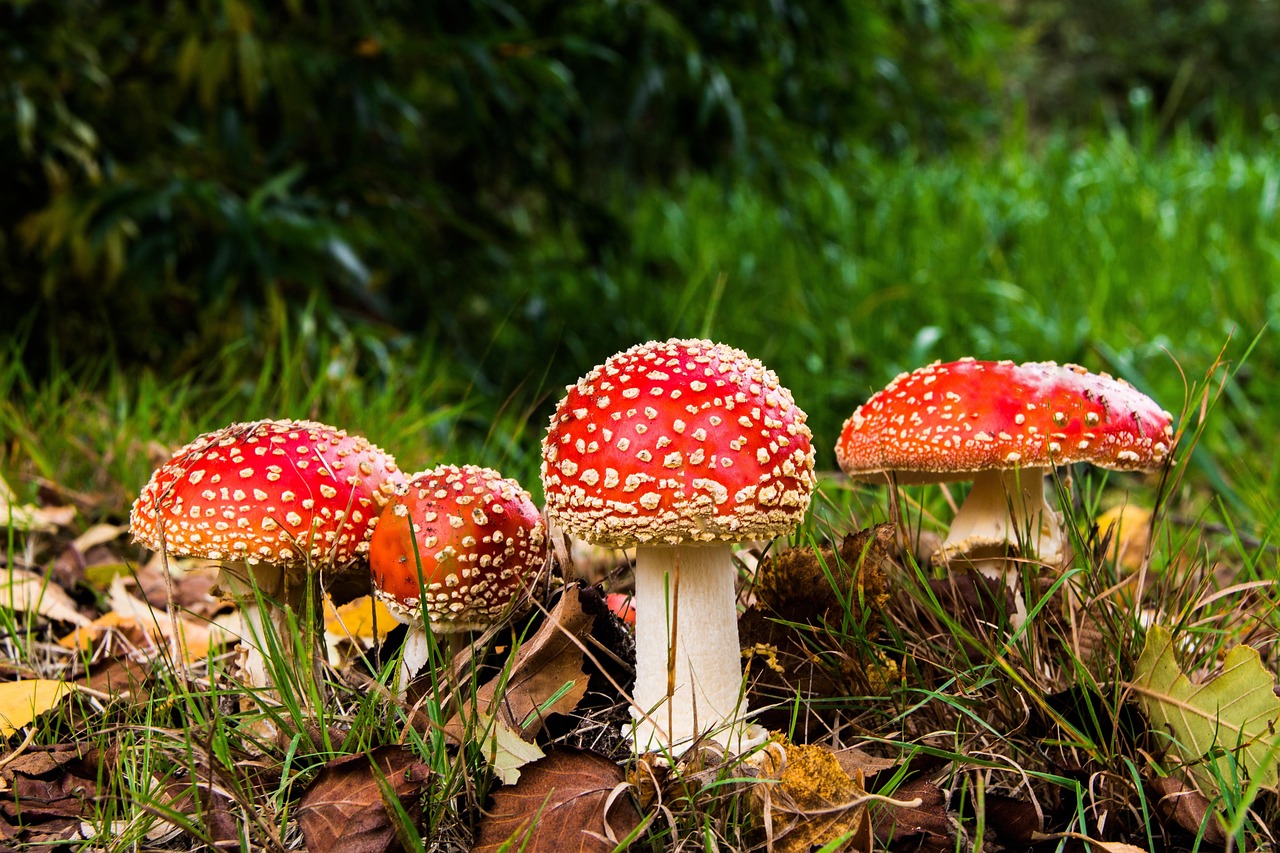
Few mushrooms are as instantly recognizable — or as misunderstood — as Amanita muscaria, the classic red-and-white toadstool that seems straight from a fairy tale. Walking the damp, mossy forests of the Oregon Coast in fall, spotting one glowing beneath shore pines feels mystical. Yet beneath its whimsical appearance lies a mushroom with a complex history, powerful chemistry, and a long relationship with humans that stretches back thousands of years.
What Is Amanita muscaria?
Amanita muscaria, commonly called fly agaric, belongs to the Amanita genus — a group infamous for including some of the deadliest mushrooms on Earth. Despite this reputation, A. muscaria stands apart both visually and chemically.
It forms mycorrhizal partnerships with trees, meaning it lives in symbiosis with their roots. Along the Oregon Coast, it’s most often found beneath:
- Shore pine
- Douglas fir
- Sitka spruce
- Mixed coastal conifer forests
Rather than growing randomly, these mushrooms are deeply tied to the health and presence of the forest itself.
Identifying the Fly Agaric
Cap
- Bright red to orange-red, sometimes fading to yellow-orange with age or heavy rain
- Covered in white, wart-like patches (remnants of a universal veil)
- Can reach 8–10 inches wide in ideal coastal conditions
Stem and Gills
- White stem with a skirt-like ring (annulus)
- Bulbous base often partially buried in soil or moss
- White gills, free from the stem
Habitat
On the Oregon Coast, these mushrooms often emerge from thick moss, forest duff, and needle-covered ground, especially after autumn rains. They frequently appear singly or scattered, rather than in dense clusters.
Seasonality on the Oregon Coast
One of the joys of coastal foraging is the long mushroom season. Amanita muscaria typically fruits:
- Late September through November
- Sometimes into December during mild, wet winters
Fog, rain, and cool nights create ideal conditions, and it’s not uncommon to see fresh specimens glowing against dark green moss just days after a storm.
Toxicity and Active Compounds
Amanita muscaria is toxic, though not in the same way as deadly amanitas like the death cap.
Its primary active compounds are:
- Ibotenic acid – neurotoxic and excitatory
- Muscimol – psychoactive and sedative
These compounds affect the central nervous system and can cause symptoms ranging from nausea and dizziness to confusion, altered perception, and extreme drowsiness. Effects vary widely depending on the mushroom, preparation, and individual sensitivity.
⚠️ While fatalities are rare, poisonings do occur, and consuming wild specimens is unpredictable and dangerous.
Traditional & Medicinal Uses (Historical Context)
Ethnobotanical Use
Across northern Europe and Siberia, Amanita muscaria has a long history of ritual, spiritual, and medicinal use — particularly among Indigenous Siberian cultures.
Traditionally, it was used by shamans for:
- Altered states of consciousness
- Spiritual ceremonies
- Healing rituals
These uses were highly controlled, culturally specific, and guided by deep generational knowledge — not casual experimentation.
Folk Medicinal Applications
Historically, the mushroom was used externally or symbolically rather than consumed as food. Reported folk uses include:
- Pain relief (especially joint and nerve pain)
- Anti-inflammatory applications
- Treatment of fatigue and cold exposure
- Fly repellent and insect control (the origin of the name “fly agaric”)
In some European folk traditions, small external preparations were used for muscle aches, arthritis, and nerve discomfort — though these practices were often surrounded by superstition and caution.
Modern Interest & Research
In recent years, Amanita muscaria has seen renewed interest in alternative medicine circles due to muscimol’s effects on GABA receptors in the brain — the same system involved in relaxation and sleep.
Modern discussions focus on:
- Neurological research
- Potential sedative properties
- Microdosing culture (often controversial and unregulated)
Importantly, there is no FDA-approved medical use for Amanita muscaria, and scientific research is still limited. Products sold commercially are often highly processed, lab-altered, or inconsistently labeled — adding another layer of risk.
Foraging Amanita muscaria on the Oregon Coast
Why People Forage It
Most Oregon Coast foragers collect A. muscaria for:
- Photography
- Study and identification practice
- Art, illustration, or educational purposes
Its beauty alone makes it worth observing — no harvesting required.
Foraging Ethics
- Always confirm land-use rules (state parks often prohibit collection)
- Never harvest more than necessary
- Avoid disturbing the mycelium or surrounding habitat
- Leave specimens for wildlife and future growth
Important Safety Notes
- Never consume wild Amanita muscaria
- Never rely on online preparation methods
- Never confuse it with edible amanitas or other red-capped species
- Children and pets should be kept away from fresh specimens
On the Oregon Coast especially, where mushrooms grow large and plentiful, visual familiarity does not equal safety.
A Mushroom Meant to Be Admired
Amanita muscaria occupies a strange and wonderful place in the forest — equal parts beauty, danger, medicine, and myth. On the Oregon Coast, it feels especially at home among fog-dripped branches and emerald moss, reminding us that nature doesn’t exist for our consumption alone. Sometimes, the best relationship we can have with a wild mushroom is simply to recognize it, photograph it, and let it be.