Cape Meares Lighthouse: Oregon’s Smallest Beacon
Just west of Tillamook, Cape Meares Lighthouse stands as one of the most unique—and often overlooked—lighthouses in the state. It doesn’t tower like some of its coastal neighbors. In fact, it’s the shortest lighthouse on the Oregon Coast. But what it lacks in height, it more than makes up for in history, setting, and atmosphere. Up on a forested headland high above the Pacific, this little lighthouse has been guiding mariners through fog, storms, and dangerous coastal waters for well over a century. And today, it remains one of the most accessible stops for anyone exploring Oregon’s coastal highways.
The Need for a Lighthouse on a Dangerous Coast
In the late 1800s, the stretch of ocean near Tillamook Bay was notorious among sailors. Hidden rocks, sudden fog banks, and unpredictable weather made navigation treacherous. Ships approaching the bay entrance often found themselves in dangerous territory, especially at night or during winter storms.
Recognizing the need for a navigational aid, Congress approved funding for a lighthouse at Cape Meares in the 1880s. Construction began shortly after, and by January 1, 1890, the light was officially in operation.
Unlike many lighthouses built for sheer height, Cape Meares was designed differently. Engineers took advantage of the natural elevation of the headland itself. Rather than building a towering structure, they constructed a shorter tower—just 38 feet tall—on a cliff that rises more than 200 feet above the ocean. The result? A lighthouse that could still project its beam far out to sea without needing massive height.
The Fresnel Lens: A Technological Marvel
At the heart of Cape Meares Lighthouse was a first-order Fresnel lens, one of the most advanced lighting technologies of its time. These lenses, originally developed in France, used a series of concentric glass prisms to focus and magnify light into a powerful beam.
This wasn’t just any lens—it was massive, intricate, and incredibly effective. When lit, it could be seen from over 20 miles offshore, giving ships a reliable point of reference along a rugged and often unforgiving coastline.
The lens also produced a distinctive light signature, allowing mariners to identify Cape Meares specifically, rather than confusing it with other lighthouses along the coast. In an era before GPS, that kind of precision could mean the difference between safe passage and disaster.
Life on the Edge: Lighthouse Keepers
Life at Cape Meares in the early days wasn’t for the faint of heart. Lighthouse keepers and their families lived in isolation, surrounded by dense coastal forest and battered by relentless wind and rain.
Daily responsibilities were constant and demanding. Keepers had to:
- Maintain and clean the lens meticulously
- Refill fuel supplies (in the early years)
- Wind the clockwork mechanism that rotated the light
- Monitor weather conditions and visibility
This wasn’t a nine-to-five job. The light had to operate every night, without fail. Storms didn’t excuse duty—they made it more critical.
Despite the hardships, many keepers took pride in their work. They were the quiet guardians of the coast, ensuring ships could navigate safely through some of Oregon’s most dangerous waters.
Automation, Decline, and Restoration
As technology advanced, the role of lighthouse keepers began to fade. Cape Meares Lighthouse was electrified in 1934, reducing the need for manual operation. By 1963, it was fully automated, marking the end of the keeper era.
Unfortunately, automation also led to neglect. Without full-time staff, the lighthouse became vulnerable to vandalism and deterioration. One of the most significant incidents involved damage to the original Fresnel lens, which had to be replaced.
By the 1970s, the lighthouse was in rough shape—but the story didn’t end there.
Local communities and preservation groups stepped in, recognizing the historical and cultural importance of the site. Through restoration efforts, the lighthouse was repaired and eventually reopened to the public in 1980.
Today, it stands not just as a navigational relic, but as a symbol of Oregon’s commitment to preserving its coastal heritage.
Visiting Cape Meares Lighthouse Today
Getting There
The lighthouse is located within Cape Meares State Scenic Viewpoint, about 10 miles west of Tillamook.
From Highway 101, you’ll wind your way through forested backroads that gradually climb toward the headland. It’s the kind of drive where the air gets saltier, the trees thinner, and you start to feel like you’re heading somewhere special.
Parking and Access
There is a designated parking area near the trailhead. From there, it’s about a 0.25-mile paved walk down to the lighthouse.
A few things to keep in mind:
- The path is relatively short but includes a moderate incline on the return
- Benches along the way offer places to stop and take in the view
- The trail is generally family-friendly, though not fully ADA accessible due to the grade
Lighthouse Hours and Entry
The lighthouse itself is typically open seasonally (late spring through early fall), with hours that can vary depending on staffing and conditions.
- Entry to the area is free
- When open, visitors can often step inside the lighthouse
- Limited tower access may be available during certain times
If you’re hoping to go inside, it’s a good idea to check ahead before making the trip.
One of the best parts about Cape Meares is that it’s not just about the lighthouse—it’s about everything around it as well including……
Three Arch Rocks
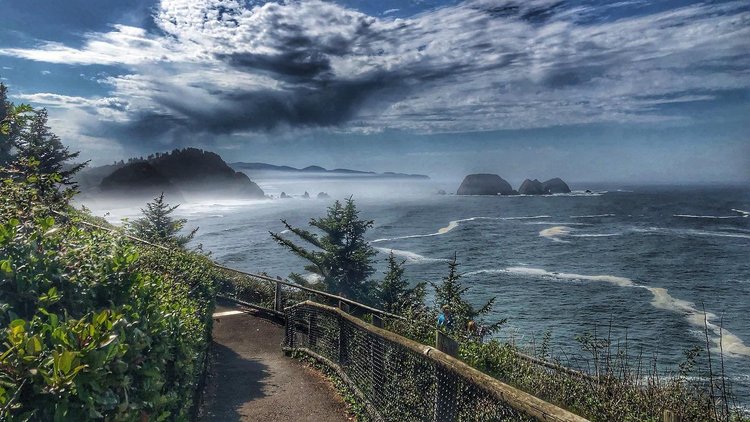
Just offshore, you’ll see the dramatic silhouettes of the Three Arch Rocks National Wildlife Refuge. These massive sea stacks rise straight out of the ocean and serve as a protected habitat for seabirds and marine life.
During nesting season, the rocks are alive with activity—thousands of birds circling, diving, and calling over the crashing surf.
The Octopus Tree
A short walk from the lighthouse leads to one of the strangest trees you’ll ever see: the Octopus Tree.
Wildlife and Whale Watching
Cape Meares is also an excellent spot for wildlife viewing:
- Gray whales during migration seasons (winter and spring)
- Bald eagles and seabirds
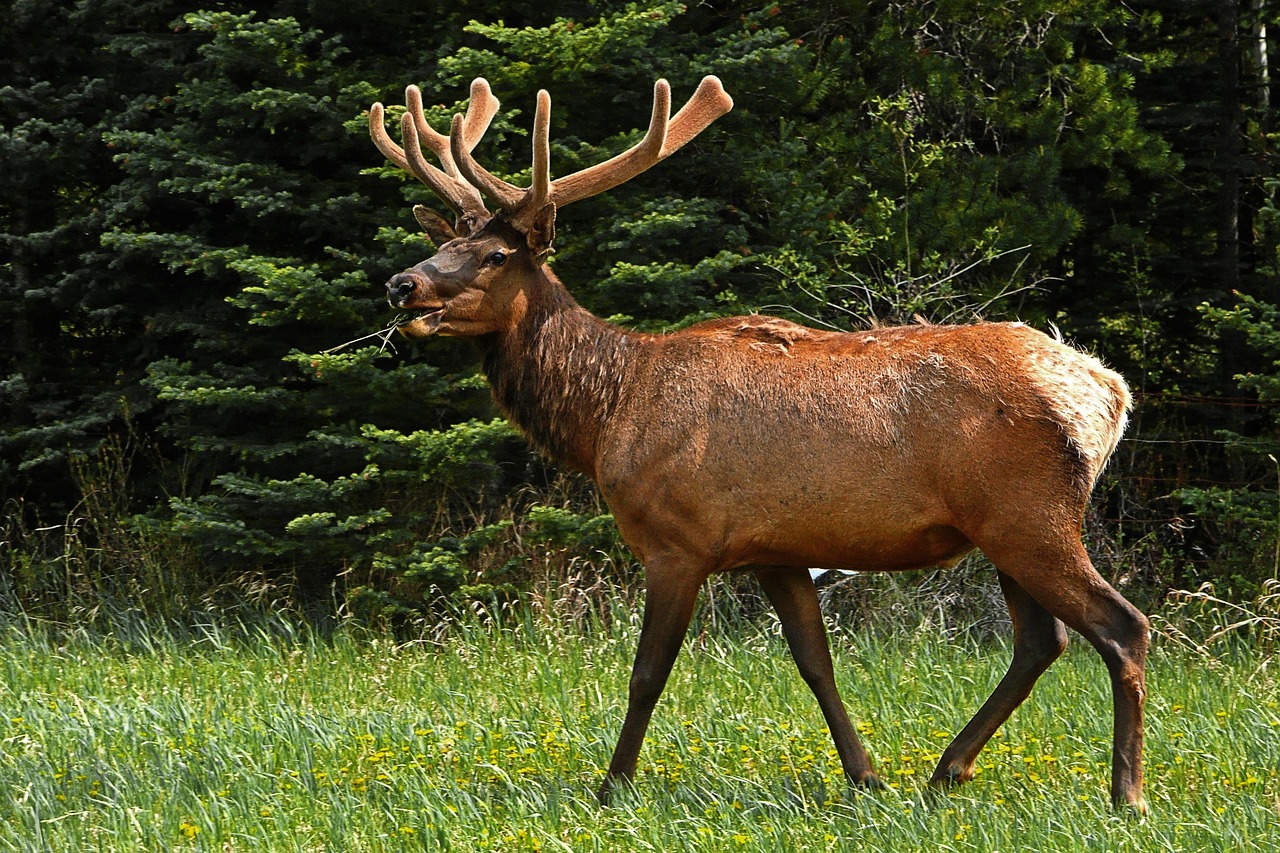
- Deer moving quietly through the forest
Bring binoculars if you have them.
Maybe it’s the contrast—the small lighthouse against a massive ocean.Maybe it’s the quiet—less crowded than other coastal landmarks. Or maybe it’s the feeling of standing on that cliff, wind in your face, knowing this exact view has been guiding sailors for more than a century. Definitely worth the visit.