Chasing Chinook: Salmon Fishing on the Siletz River, Oregon
In the heart of Oregon’s Coast Range, the Siletz River is a hidden oasis for salmon anglers seeking both trophy fish and tranquility. Winding through moss-draped forests, rolling hills, and quiet rural towns, the river is a lifeline for Chinook and coho salmon, as well as steelhead, cutthroat, and other native species. With nearly 70 miles from its headwaters to the Pacific, the Siletz offers a blend of challenging runs, deep pools, and peaceful stretches that make it a must-visit destination for anyone serious about salmon fishing on Oregon’s central coast.
The River and Its Salmon
Originating in the Coast Range, the Siletz River flows roughly 67 miles before emptying into the Pacific Ocean near Lincoln City. Along its journey, it carves through deep forested valleys, opens into grassy floodplains, and passes historic towns such as Siletz and Logsden. The river is prized for its salmon runs, which bring anglers from across the state during both spring and fall seasons.
Fall Chinook (August–November)
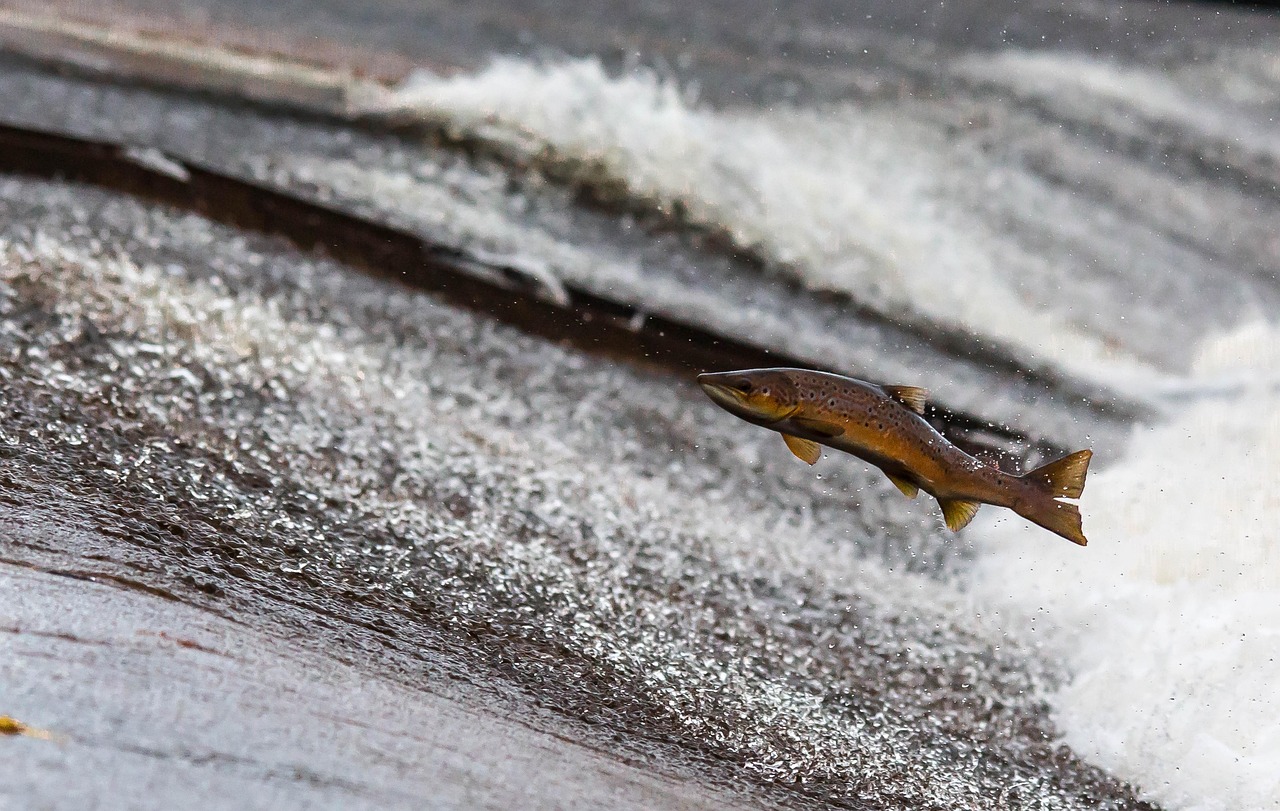
The fall Chinook run is the main attraction. These salmon are renowned for their size, strength, and spectacular leaps. Peak fishing occurs in September and October, although the run can extend into November if water levels remain favorable. Anglers targeting fall Chinook often find the river at its most dynamic, with fish staging in deep holes and cruising long glides near gravel bars.
Spring Chinook (May–July)
Spring Chinook are smaller but no less exciting. These early-season salmon require more finesse and patience. Anglers often work lower water levels, targeting shaded runs and deeper pools, where stealth and precision can make all the difference. Spring fishing is quieter, offering a more intimate connection to the river and its ecosystem.
Steelhead and Other Species
Though Chinook dominates, steelhead runs occur both winter and summer, while cutthroat trout offer added sport throughout the year. Anglers seeking variety can enjoy multiple species on a single trip, especially in the river’s middle and upper reaches.
Prime Fishing Sections of the Siletz
Moonshine Park to Twin Bridges
This mid-river stretch is a favorite among drift boat anglers. Deep traveling lanes, long pools, and steady current provide ideal conditions for back-trolling plugs or casting bobbers with cured eggs. Moonshine Park offers camping and easy river access, making it a perfect base for multi-day trips.
Upstream Above Logsden
More remote and rugged, this section appeals to anglers seeking solitude. Fishing here requires more preparation, as access points are limited and conditions can be challenging. Pools hold early-morning salmon and late-day staging fish, rewarding those who are patient and methodical.
Lower Tidal Siletz
Near Highway 101, the tidal Siletz is an ideal location for early-season Chinook. Cut-plug herring and trolling spinners from small powerboats are common techniques. Fish in this area often move with the tide, so timing your trip to coincide with slack tide can significantly improve your catch rate.
Fishing Techniques and Tips
Back-Trolling Plugs
Mag Lips, Kwikfish, and FlatFish are staples for Siletz Chinook. Many guides wrap plugs with sardine fillets to create extra scent, increasing strike rates in deeper pools.
Bobber and Eggs
When water is stained after rains, salmon often hug the riverbanks. Using a bobber with cured eggs allows you to target these edge-holding fish effectively. This technique works well in narrow runs and quiet backwaters.
Tidewater Trolling
For early fall Chinook entering the river from the ocean, trolling cut-plug herring and spinners in tidal sections is highly effective. Aggressive strikes from chrome-stage salmon make this a thrilling way to start a fishing season.
Stealth and Patience
Whether you plan to fish from a drift boat or the bank, keeping noise to a minimum is key. Salmon are highly sensitive to shadows and vibrations, especially in clear or low water. Take your time, observe the river, and move slowly.
Local Guide Services
A guide can make the difference between a decent trip and a legendary one. Experienced guides know the river’s currents, the best pools, and how to read salmon behavior during different water conditions.
Recommended Siletz River guides:
- Chandler’s Coastal Adventures – Drift boat Chinook trips with seasonal tidewater options.
- Tradewinds Charters (via local river network) – Offers guides for back-trolling, bobber fishing, and bank angling.
- Oregon River Trails Guide Service – Known for their expertise in mid-river and upper-river salmon techniques.
Access Points and Boat Ramps
- Moonshine Park – Central access point with parking, picnic areas, and camping.
- Twin Bridges – Popular drift boat put-in with deep pools downstream.
- Strome Park – Near the town of Siletz, good for powerboats and tidewater fishing.
- Mill Park – Quiet bank access ideal for bobber and egg fishing.
Always confirm access with local authorities, as some areas border private property or tribal lands.
A 2-Day Fishing Itinerary
Day 1: Lower and Mid-River Adventure
- Morning: Launch at Twin Bridges, drift down to Moonshine Park with back-trolling plugs.
- Midday: Picnic along the riverbank, keeping an eye out for salmon staging in deep runs.
- Afternoon: Switch to bobber and eggs in shallow pools.
- Evening: Return to riverfront camping or local accommodations in Siletz.
Day 2: Tidewater and Upper River Exploration
- Early Morning: Head to Strome Park for tidewater trolling with cut-plug herring.
- Late Morning: Travel upstream to Logsden area for secluded bank fishing.
- Afternoon: Drift boat through long glides, targeting fall Chinook with plugs or lures.
- Sunset: Photograph the river in fading light—a perfect end to a Siletz adventure.
History and Cultural Significance
The Siletz River runs through lands traditionally inhabited by the Confederated Tribes of Siletz Indians. For centuries, these waters provided salmon, lamprey, and other fish essential to their culture and survival. Today, the tribes manage hatcheries and conservation efforts to ensure sustainable salmon populations, blending traditional knowledge with modern fisheries science. Anglers benefit from these efforts, enjoying robust runs while respecting the ecological balance.
Tips for a Successful Trip
- Check regulations – The Siletz has seasonal closures, catch limits, and hatchery-specific rules.
- Monitor river levels – Rapidly changing conditions can affect safety and fishing success.
- Respect private property – Many riverbanks are privately owned. Stick to public access points.
- Dress for wet weather – Even sunny days can bring sudden coastal rain or mist.
Why the Siletz Stands Out
From misty mornings in old-growth forests to the thrill of a Chinook strike, the river immerses anglers in a living, breathing ecosystem. The strong salmon runs, quiet landscapes, and cultural depth makes it a top destination for those seeking an authentic Oregon Coast fishing adventure.