Chasing the Tide: Razor Clamming Near Yaquina Bay in Newport, Oregon
A cold Newport morning makes you feel like you’ve stepped into a different rhythm of life. The gulls are already awake. The air tastes like salt and drifting kelp. Out beyond the jetties, the Pacific keeps breathing in and out, and down near the wet sand, a few bundled-up figures are walking with shovels and clam guns like they know a secret. The first time I went razor clamming near Yaquina Bay, that was the feeling I couldn’t shake—that I was showing up for one of the coast’s quieter rituals.
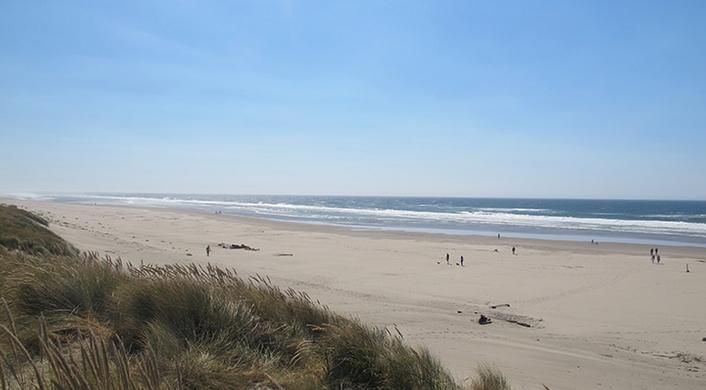
Newport has that perfect blend of working waterfront grit and beach-town magic. You can watch fishing boats move through Yaquina Bay, grab a coffee while the fog hangs low over the bridge, and then head out toward the ocean beaches where the real razor clamming happens. That part matters, because Yaquina Bay itself is better known for bay clams like gapers and butters, while razor clams are associated with the nearby ocean beaches around Newport, especially Agate Beach and South Beach.
By the time my boots hit the sand, the tide was still slipping out, leaving behind long reflective bands of beach and the kind of silence that only exists between waves. Razor clamming doesn’t feel rushed, even when you’re racing the tide. It feels observant. You walk. You pause. You watch the sand for that tiny clue—the little dimple, the soft depression, the faint sign that something living is tucked just below the surface.
That’s the thing people don’t always understand about razor clamming. It’s not just digging. It’s reading a beach.
The Best Time to Go
If you want your best shot at razor clams near Newport, plan around a low tide, and even better, a minus tide. Oregon Department of Fish and Wildlife says minus tides are best, and recommends arriving about two hours before peak low tide. Lower swells also help because clams tend to sit closer to the surface and are easier to detect and dig.
Around Newport, Agate Beach is one of the better-known razor clam beaches, while South Beach is often considered easier for access, especially for beginners. Newport-area razor clams can be less consistent than the big northern beaches, so timing and conditions matter.
The other big piece is safety and legality. Before you go, check the current ODFW Marine Zone recreation report and the Oregon Department of Agriculture shellfish closure map. ODFW specifically says to check the weekly report before heading out, and ODA posts current biotoxin closures because shellfish openings can change. As of the latest available statewide closure page, razor clam harvest is open from the Washington border to Cape Blanco, but closures can shift, so same-day checking matters.
Gear You’ll Want to Bring
The nice thing about razor clamming is that you do not need a mountain of gear, but the right setup makes the day a lot smoother.
Here’s the basic kit:
1. A clam gun or shovel
ODFW allows razor clams to be taken by hand, shovel, clam gun, or a legal digging tube. Most people swear by either a clam gun or a sturdy short-handled shovel.
2. Rubber boots or chest waders
You are working in wet sand, moving water, and cold coastal wind. Dry feet can be the difference between a fun morning and one you want to abandon after twenty minutes.
3. Warm layers and rain gear
Newport weather likes surprises. Even when the forecast behaves, the wind off the ocean has a way of cutting through you.
4. A mesh bag or bucket
Something simple to carry your clams and keep your hands free.
5. Gloves
Not required, but nice when the sand is icy and you’re digging fast.
6. Shellfish license
Make sure you have the appropriate Oregon shellfish license if required for your trip. Oregon also has occasional free fishing and shellfish days, but don’t count on that unless you’ve checked the current rules.
7. Tide chart and closure check on your phone
This is one of those outings where “I think it’s probably fine” is not the energy you want to bring.
What It Feels Like Out There
The first real thrill comes when you spot your first show.
At first, every little dent in the sand looks promising. Then, slowly, your eyes adjust. You stop seeing just beach and start seeing patterns. A dimple here. A slight softening there. The receding wash reveals something subtle, and suddenly you’re moving fast—planting the clam gun, pulling sand, reaching down before the clam can burrow deeper.
And when you finally hold that first razor clam, slick and cool and impossible-looking, it feels weirdly satisfying. Not flashy. Not dramatic. Just deeply satisfying in that old-school coastal way. You worked for it. You paid attention. The ocean gave up something small and excellent.
That’s why razor clamming near Newport sticks with people. It’s not only about bringing home dinner. It’s about the whole morning—the bridge in the background, the wet sand shining like glass, the smell of the surf, the way strangers nod at each other like members of the same temporary club. Everyone is chasing the same falling tide. Everyone is scanning the same beach. For a few hours, it feels like the whole day has one clear purpose.
A Few Practical Tips
If you’re heading out for the first time, keep it simple.
Start with South Beach for easier access, or try Agate Beach if you want one of the better-known Newport-area razor clam spots. Get there early enough that you are not rushing. Watch what experienced diggers are doing, but give them space. Focus on the wet sand as the tide drops, and remember that success can vary a lot depending on swell, sand movement, and recent conditions.
And one more thing: keep only what’s legal. ODFW’s rule is a daily limit of the first 15 razor clams dug, with no sorting or releasing. That means once a clam is dug, it counts toward your limit.
Why Newport Makes It Special
What I love most about clamming near Yaquina Bay is that the experience doesn’t end when the tide turns. Newport gives you a full day around it. After the beach, you can warm up on the bayfront, watch sea lions bark from the docks, grab chowder, and look back toward the mouth of Yaquina Bay knowing you started the morning out on the sand doing something that still feels wonderfully hands-on and local.
It’s not glamorous. Your boots will get muddy. Your hands will get cold. You may miss more clams than you land. But that’s part of the charm. Razor clamming near Newport feels honest. It asks you to wake up early, pay attention to tides, and earn your luck. And when you head home with salt on your jacket and sand in the truck, it feels less like a tourist activity and more like you borrowed, for a little while, the rhythm of the Oregon coast itself.