Fall Chinook Are Moving Past the Former J.C. Boyle Dam Site — The Klamath River Is Alive Again
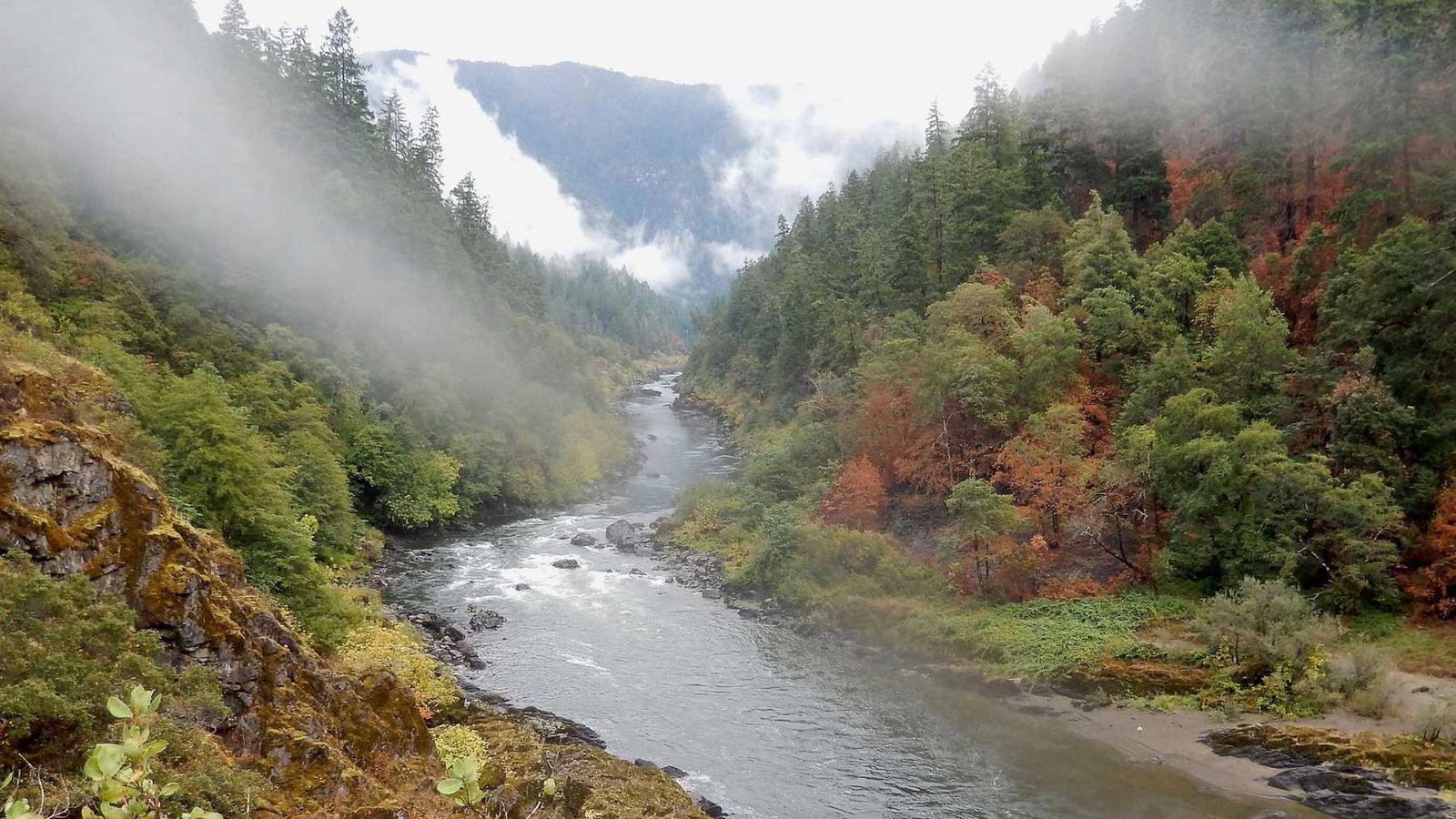
There is something happening on the Klamath River in southern Oregon right now that would have sounded almost impossible just a few years ago.
Salmon are coming home.
It’s mid-October, the fall Chinook migration is underway, and fish are moving upstream through a stretch of the Klamath River that was blocked for generations by J.C. Boyle Dam.
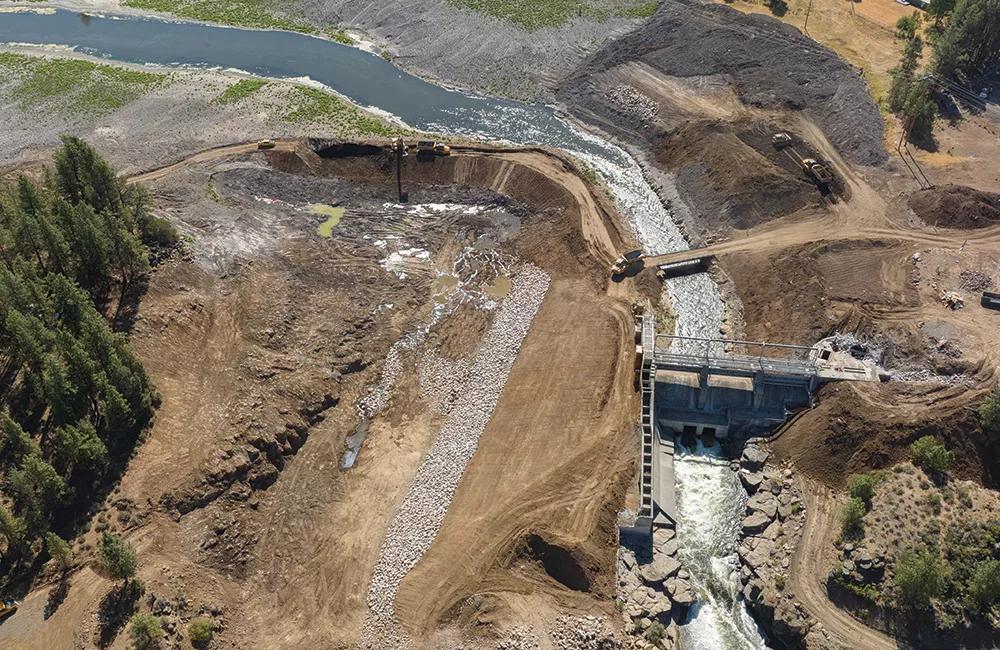
Except there isn't a dam for them to pass anymore.
J.C. Boyle was one of four hydroelectric dams removed from the Klamath River as part of the massive Klamath River restoration project. Removal of J.C. Boyle, Iron Gate, Copco No. 1 and Copco No. 2 was completed in 2024, reconnecting more than 400 miles of potential habitat in the Upper Klamath Basin.
For the fish, an enormous piece of the river essentially opened back up.
And they didn't waste much time finding it.
What's Coming Through Right Now?
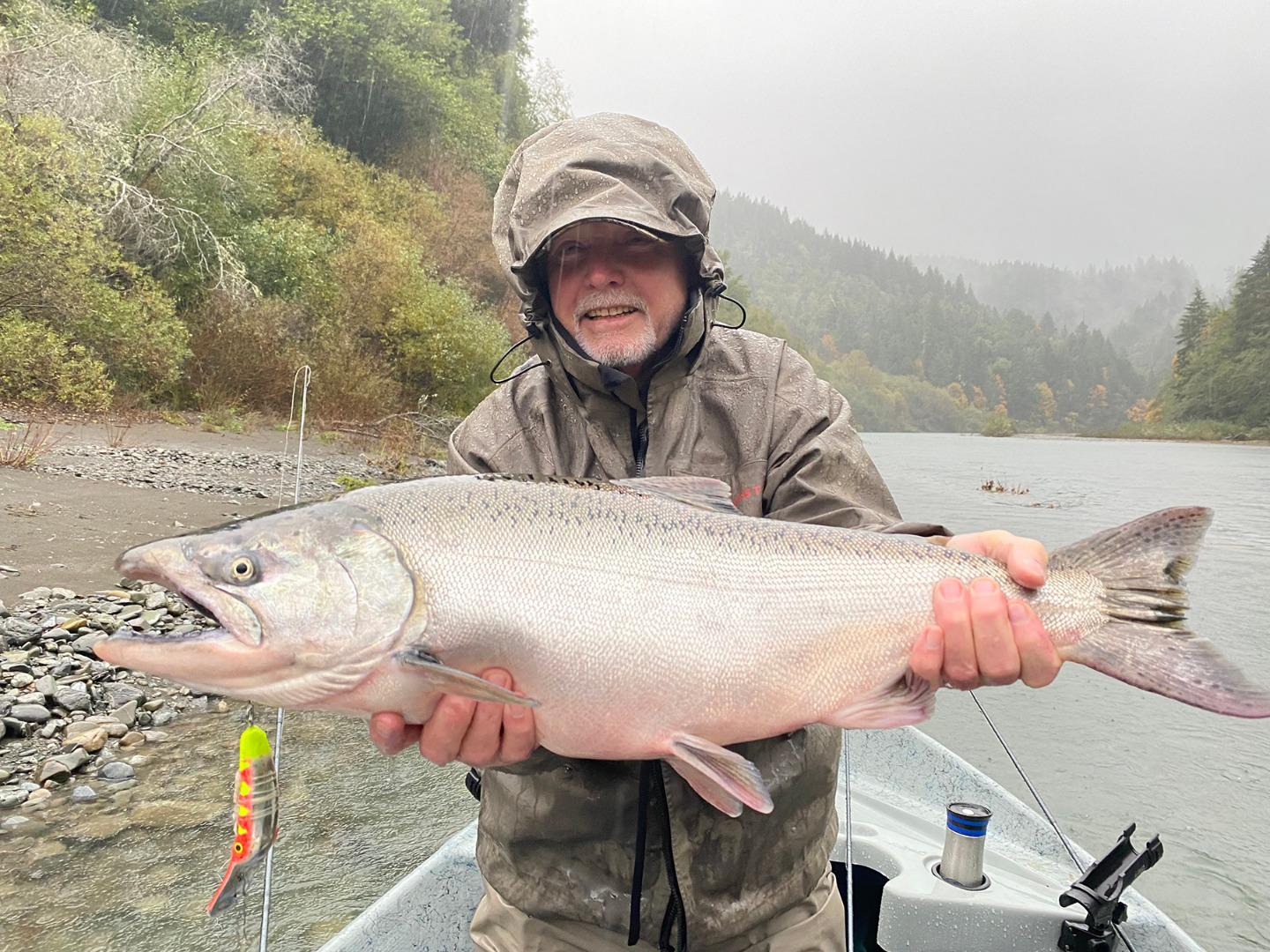
The fish getting the most attention this fall are fall-run Chinook salmon.
These aren't hatchery trucks hauling salmon around an obstacle. These are adult fish swimming upriver under their own power, following the Klamath farther and farther into habitat that had been inaccessible to ocean-going salmon for more than a century.
Recent monitoring shows just how quickly Chinook have responded.
Researchers studying the first two migrations after dam removal estimated that about 7,742 adult Chinook moved into newly reopened reaches in 2024, followed by approximately 13,310 in 2025. Researchers found Chinook had already recolonized roughly 88 percent of their documented historical distribution, expanding into about 345 kilometers of reconnected habitat.
Those numbers are pretty incredible considering the river had only recently been reopened.
Now we're into the 2026 fall migration, and fish continue to explore farther into Oregon.
Chinook Are Reaching Far Beyond J.C. Boyle
The former J.C. Boyle site isn't even the end of the story anymore.
In September 2026, Chinook were documented ascending fish ladders at Keno Dam and Link River Dam, farther upstream in the basin. That means some salmon aren't simply reaching the old J.C. Boyle area—they're continuing their journey well beyond it.
That's a huge deal.
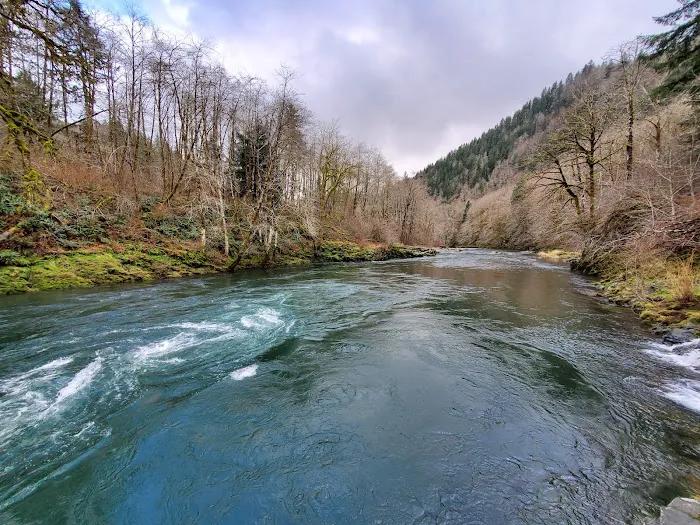
A Chinook reaching this part of Oregon has already traveled hundreds of miles inland from the Pacific Ocean. These fish are navigating the lower Klamath, entering newly reopened water and continuing into portions of the Upper Basin that haven't seen regular salmon migrations in generations.
The river is basically watching an old migration route rebuild itself in real time.
It Started Almost Immediately
One of my favorite parts of this entire story is how quickly the salmon figured things out.
Dam removal work wrapped up in 2024. By October of that same year, Oregon biologists had already confirmed fall Chinook above the former J.C. Boyle Dam.
Think about that for a second.
Nobody had to teach those salmon where to go.
Once the barrier disappeared, fish started moving.
The first confirmed Oregon Chinook above the former dam had traveled roughly 230 miles from the Pacific Ocean. More salmon were subsequently discovered in the area, including fish using tributaries that had been cut off from anadromous salmon.
That first season was only the beginning.
It's Not Just Chinook
Chinook are the stars of the fall migration, but they're not the only fish biologists are watching.
The restoration effort is intended to help Chinook salmon, coho salmon, steelhead and Pacific lamprey recolonize portions of their historical habitat.
Pacific lamprey were documented in the newly accessible system in 2024, and coho were also observed farther downstream following dam removal.
Steelhead are another species to watch closely as restoration continues.
Unlike Chinook, which are making their big spawning push during the fall, steelhead movements can occur over a much broader seasonal window. The next several years should give fisheries biologists a much better idea of how extensively these different species will recolonize the Upper Klamath.
The Next Obstacle Is Keno
Removing J.C. Boyle and the three lower dams opened a tremendous amount of river, but it didn't eliminate every fish-passage problem.
Keno Dam remains upstream.
The existing fish ladder there wasn't originally designed for the large ocean-going fish that are now returning to the Upper Basin. ODFW says tagged salmon have reached Keno and, in some cases, turned around.
At the same time, other Chinook have successfully made it through.
That's why improving passage at Keno has become one of the next big chapters in Klamath restoration.
If passage can be improved there, salmon may have an even better shot at continuing to spread throughout their historical Upper Basin habitat.
What This Means for Fishing
Here's where anglers need to be careful.
Seeing salmon return to the Upper Klamath doesn't automatically mean every stretch of newly occupied water is suddenly a salmon fishing destination.
This is still a developing reintroduction and restoration effort. Biologists are closely monitoring where adult salmon travel, where they spawn and whether their offspring successfully migrate downstream toward the Pacific.
Fishing regulations can also vary dramatically depending on the section of river, species and season.
Anyone planning to fish the Klamath should check the current Oregon Department of Fish and Wildlife regulations before heading out rather than assuming these newly returning Chinook are open for harvest.
For anglers, there is a bigger story here anyway.
We're watching a salmon fishery rebuild itself.
Imagine Being on This River 100 Years Ago
That's what keeps getting me about J.C. Boyle.
For most of our lifetimes, the dam was simply part of the landscape. Fish came upstream until barriers stopped them, and generations grew accustomed to the idea that salmon simply didn't reach much of the Upper Klamath anymore.
Then the dams came out.
Within weeks, salmon started showing up.
Within the first two migration seasons, thousands of Chinook were entering reopened habitat. Now fish are reaching Keno, Link River and other portions of the Upper Basin.
A migration route that had essentially disappeared from living memory is functioning again.
October Is Becoming an Incredible Time on the Upper Klamath
Right now, in October 2026, this is one of the most interesting fisheries stories happening anywhere in Oregon.
Fall Chinook are making their upstream push. Researchers are watching where they go. Every tributary explored and every spawning area occupied provides another piece of information about what the restored Klamath might eventually become.
There are still plenty of unknowns.
Will large numbers of Chinook establish successful spawning populations in Oregon? How quickly will steelhead expand? How far will coho eventually travel? Can passage problems farther upstream be solved?
Those answers will take years.
But one question has already been answered.
Would salmon return if we gave them the river back?
They already have.
And today, where J.C. Boyle Dam once stood across the Klamath River, the water—and the fish—can keep moving upstream.