Fall Fishing the North Santiam River: Salmon and Steelhead Are Coming
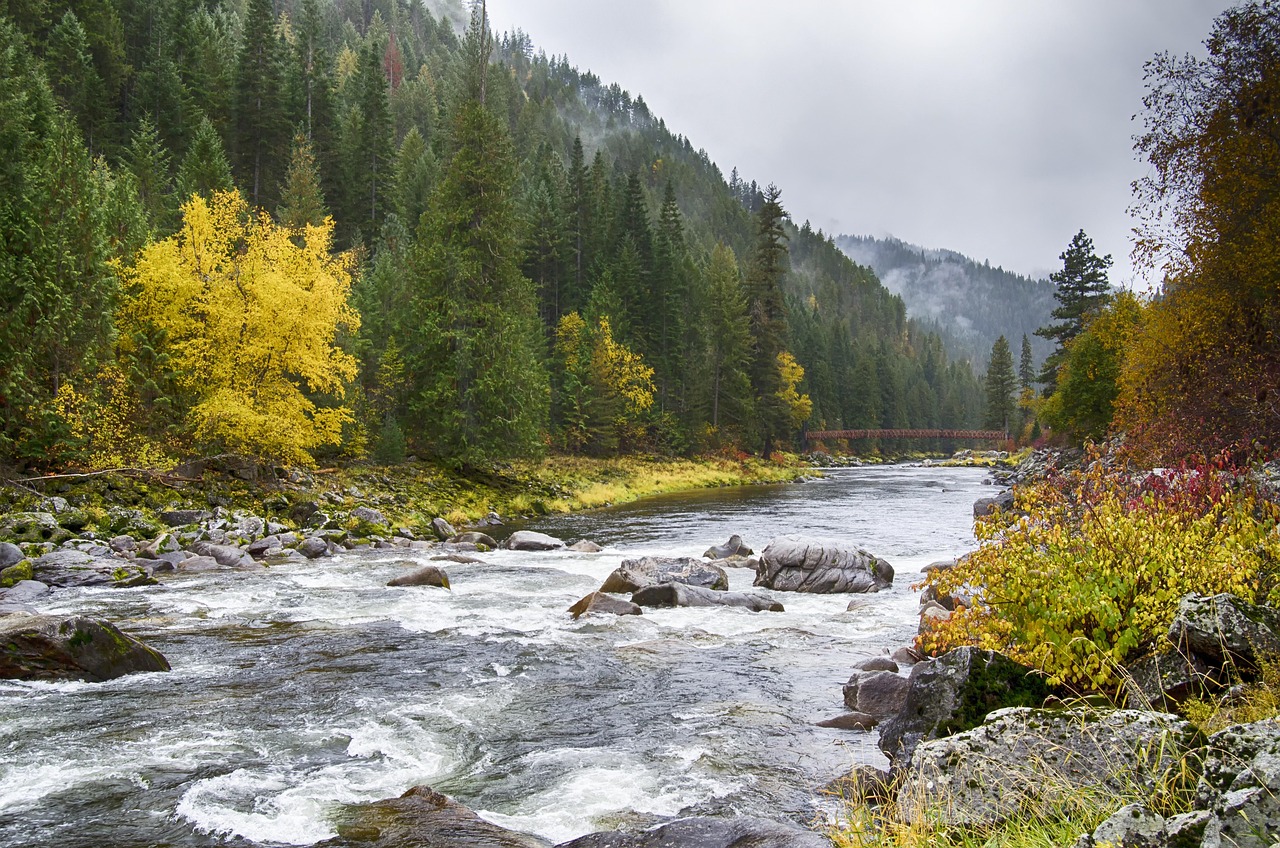
Fall is when I really start paying attention to the North Santiam. The first cold mornings show up, the river starts changing with the rain, and you never quite know what might be sitting in the next hole. Coho are pushing farther into the system, summer steelhead are still around, and Chinook can be scattered through the river. One day the river seems dead, and after a good rain you can come back and suddenly see salmon rolling and fish moving through water that looked empty a few days earlier.
Fall is one of those rare times when several different groups of fish can be moving through the system at once. On the North Santiam, that can mean coho salmon, late summer steelhead, Chinook salmon, and trout all occupying the river during the same general period.
And right now, the fish I’d be watching closely are the coho.
The Coho Are Coming
Coho are probably the most exciting fall wildcard in the North Santiam.
These fish enter the lower Willamette and have to make their way over Willamette Falls before continuing upstream. From there, some push into tributaries such as the Santiam system.
By late September 2026, ODFW was reporting hundreds of coho passing Willamette Falls every day, with the agency expecting those fish to begin showing up in the Santiam Basin around the beginning of October.
That means October can turn into a legitimate salmon hunt.
A little fall rain can make things even more interesting. Rising water and cooler temperatures can encourage salmon that have been holding lower in the system to start moving.
When I'm looking for coho, I'm not necessarily searching for the fastest water. I want those deeper pools, softer edges, current seams and slower stretches where traveling salmon can stop and rest.
Casting spinners through those areas can be deadly. Twitching jigs can also get an aggressive reaction from coho, especially when you've located a group of fish.
And sometimes you'll know they're there before you ever hook one.
A salmon rolls.
Another fish splashes against the far bank.
Then somebody downstream hooks up.
Suddenly that quiet stretch of river doesn't feel so quiet anymore.
Don't Forget About the Summer Steelhead
This is probably my favorite part about fishing the North Santiam during fall.
There can still be summer steelhead in the system.
These aren't necessarily bright fish that entered the river yesterday. Some have been in freshwater for quite a while, but cooler fall water can make them more active again.
ODFW reported that the 2026 summer steelhead return through Willamette Falls was running better than average, with roughly 10,000 adults counted by late September across the broader Willamette run.
That's enough to keep me carrying steelhead gear when everybody else is thinking only about salmon.
Fall steelhead can be found holding in classic steelhead water—walking-speed runs, deeper slots, the tailouts below pools and those beautiful seams where fast current meets softer water.
I'll work that water slowly.
A spinner swung across the current can produce. So can jigs, beads and flies.
The important thing is covering water.
If I've made several good presentations through a run without touching anything, I'm moving. Steelhead fishing becomes a lot more productive when you hunt for the fish instead of waiting for one to magically appear.
Chinook Are Already There
Here's where fall fishing gets interesting.
The North Santiam also supports Chinook salmon.
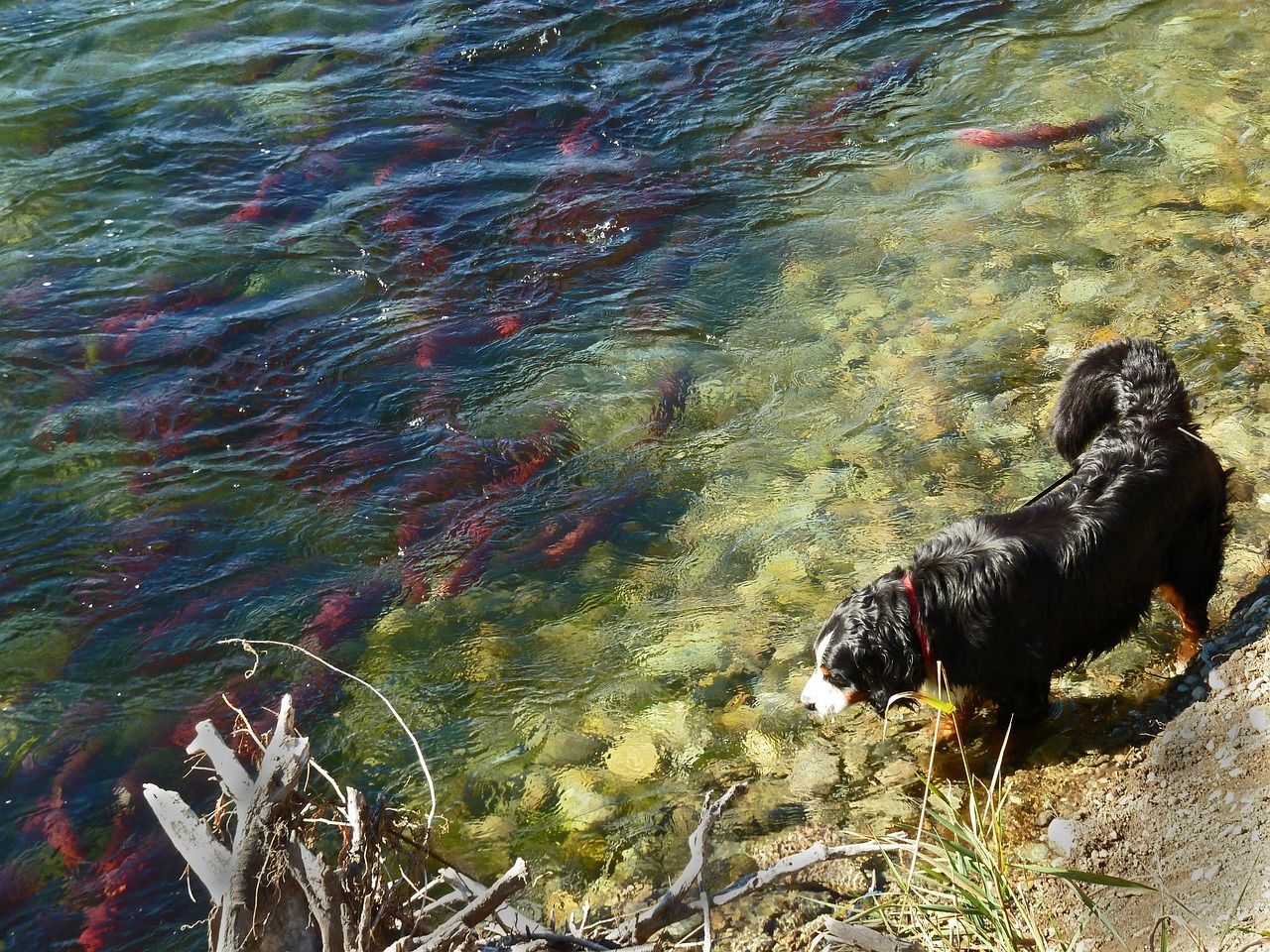
By early fall, many Chinook are reaching their spawning areas, which means you'll occasionally see some seriously big salmon in relatively shallow water.
But these fish deserve some space.
If I see Chinook paired up on gravel, digging redds or obviously spawning, I leave them alone. I'll move downstream and fish different water rather than stomping across a spawning bed trying to reach another hole.
Seeing those big salmon in clear fall water is still incredible.
Sometimes you'll be standing on the bank looking into what appears to be an empty pool and suddenly a dark shape slides across the bottom.
Then another.
A 20- or 30-pound salmon moving through relatively shallow water will remind you very quickly just how alive these rivers really are.
Chinook seasons can also have specific closures and reopening dates, so this is one fishery where checking the current regulations before fishing is especially important.
Trout Are Still Part of the Game
There are also trout in the North Santiam system.
They don't receive nearly as much attention once salmon and steelhead start showing up, but fall can produce some surprisingly good trout fishing.
Small spinners, spoons, nymphs and streamers can all produce fish.
Sometimes I'll bring lighter gear specifically because I don't want the entire day riding on whether a steelhead decides to cooperate.
Catching a handful of trout between steelhead runs isn't a bad way to spend an October afternoon.
The First Fall Rains Can Change Everything
This is the part of fall river fishing that I obsess over.
Rain.
Not necessarily a giant Pacific storm that blows the river into the trees. I'm watching for that first meaningful bump in river level after weeks of relatively low summer conditions.
Fresh water entering the system can get migratory fish moving.
A river that seemed nearly lifeless one afternoon can feel completely different a couple of days later.
The trick is catching it at the right time.
I like fishing when the river has risen and then begins settling back down. When the water starts clearing but still has a little color, I'm paying attention.
That's when I'll concentrate on traveling lanes and holding water—deep pools, current breaks, seams, boulder pockets and tailouts.
My Fall Game Plan
If I were heading to the North Santiam tomorrow morning, I'd arrive early and bring gear capable of handling both salmon and steelhead.
I'd start by covering deeper runs with a spinner or jig.
Then I'd move.
And move again.
I'm looking for fish, not scenery.
If I see coho rolling, I'm slowing down and working that stretch carefully. If the salmon aren't showing themselves, I'll start picking apart classic steelhead water.
One thing I've learned about fall fishing is that yesterday's hot spot can be completely empty today.
These fish are traveling.
That's what makes it addictive.
You're trying to intercept something that's been swimming upstream from the Pacific Ocean, through the Columbia, into the Willamette and eventually toward the Santiam.
Think about that journey for a minute.
Then imagine feeling one of those fish bury your rod.
October Is When I Want to Be There
For me, October is one of the most interesting months to fish the North Santiam.
You've potentially got coho pushing upstream, summer steelhead still hanging around, Chinook occupying the system and trout feeding in the cooler water.
The river is changing almost every week.
Leaves are turning.
The mornings are getting cold.
Rainstorms are returning.
And somewhere beneath that green Oregon water, another wave of salmon is pushing upstream.
That's why I'll happily stand there in the rain with cold hands, watching my line swing through one more run.
Because in the fall on the North Santiam, that next cast could connect you with a fish that just traveled hundreds of miles to get there.