Fishing Three Rivers, Oregon: Chasing Salmon & Steelhead in Coastal Water
There are bigger rivers on the Oregon Coast, but I've always had a thing for smaller water. Give me a coastal river tucked into the timber, a good rain the night before, and just enough green in the water to hide a big fish, and I'll take that over standing in a crowd on some giant river any day. That's what I like about Three Rivers near Hebo.
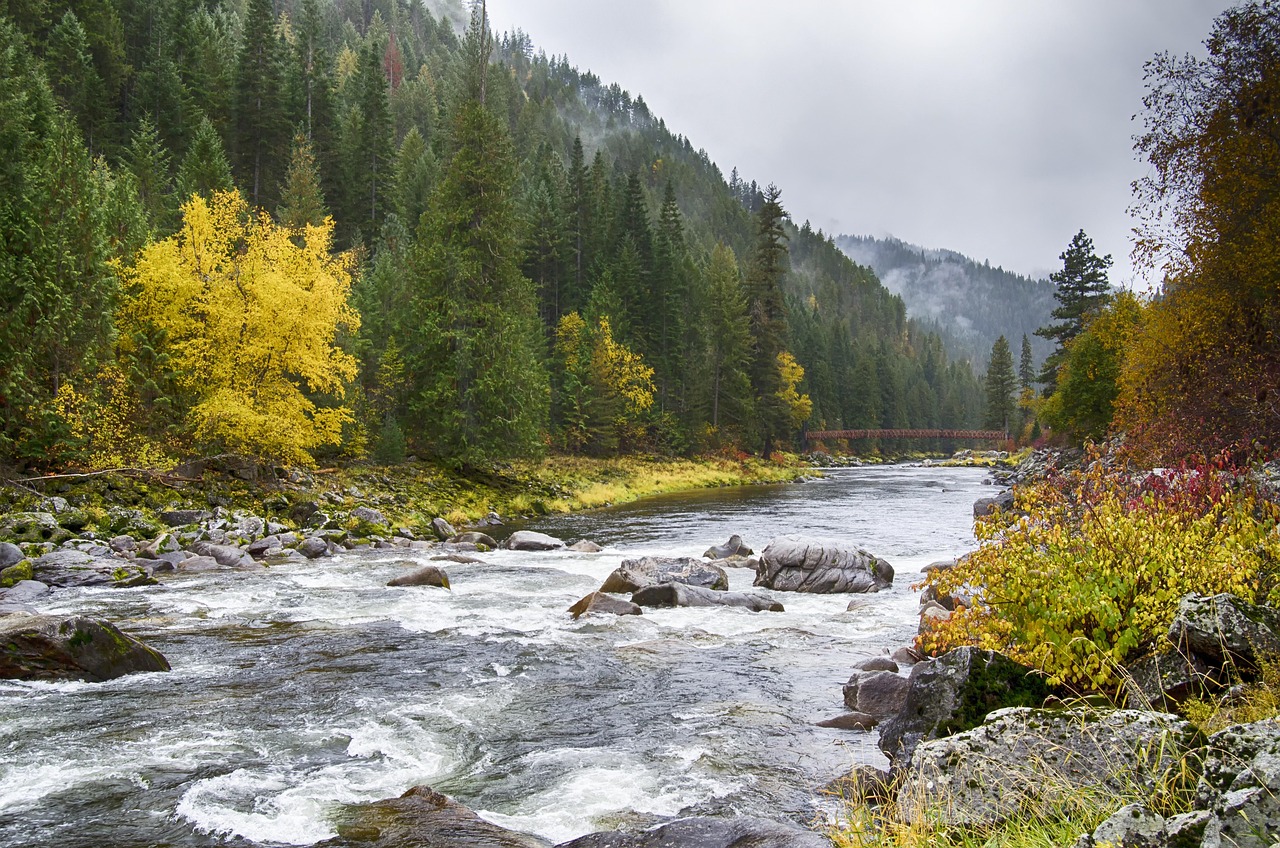
Three Rivers feeds into the Nestucca River system, and when salmon and steelhead are moving, this little piece of coastal water can get my attention in a hurry. It's tight, fishy-looking water surrounded by wet timber, ferns and brush. You aren't making hero casts halfway across some giant river. You're picking apart slots, seams, tailouts, deeper holes and anything else that might give a moving fish a place to stop.
It Starts With the Rain
If I'm thinking about fishing Three Rivers, I'm watching the weather long before I'm loading rods into the truck. On these little coastal systems, rain can change everything. Too little water and I'm looking at a low, clear river where the fish can probably count the hooks in my tackle box. Too much rain and I'm staring at brown water ripping downstream.
What I want is somewhere in between. Give me a river that's been bumped by fresh rain and is starting to settle into that beautiful steelhead green. A little visibility, some flow and enough water to make salmon or steelhead comfortable moving—that's when I start getting itchy to go fishing.
I've learned not to obsess over whether it's raining while I'm actually fishing. I'm more interested in what happened during the previous day or two and what the river is doing now. Coastal fish move when conditions tell them to move, and sometimes hitting that window is more important than whatever lure, bait or fancy rod you're carrying.
Fall Means I'm Looking for Chinook
When fall comes around, I'm thinking salmon. There's nothing subtle about hooking a Chinook in smaller water. One second you're watching your presentation work through a hole, and the next you've got a heavy fish deciding it wants absolutely nothing to do with you.
That's when Three Rivers gets fun.
A Chinook doesn't need much room to wreck your day. There's usually wood somewhere you don't want it to reach, a faster chute below you or some other piece of structure capable of turning a good hookup into a very short fishing story. Once that fish realizes it's hooked, you're along for the ride.
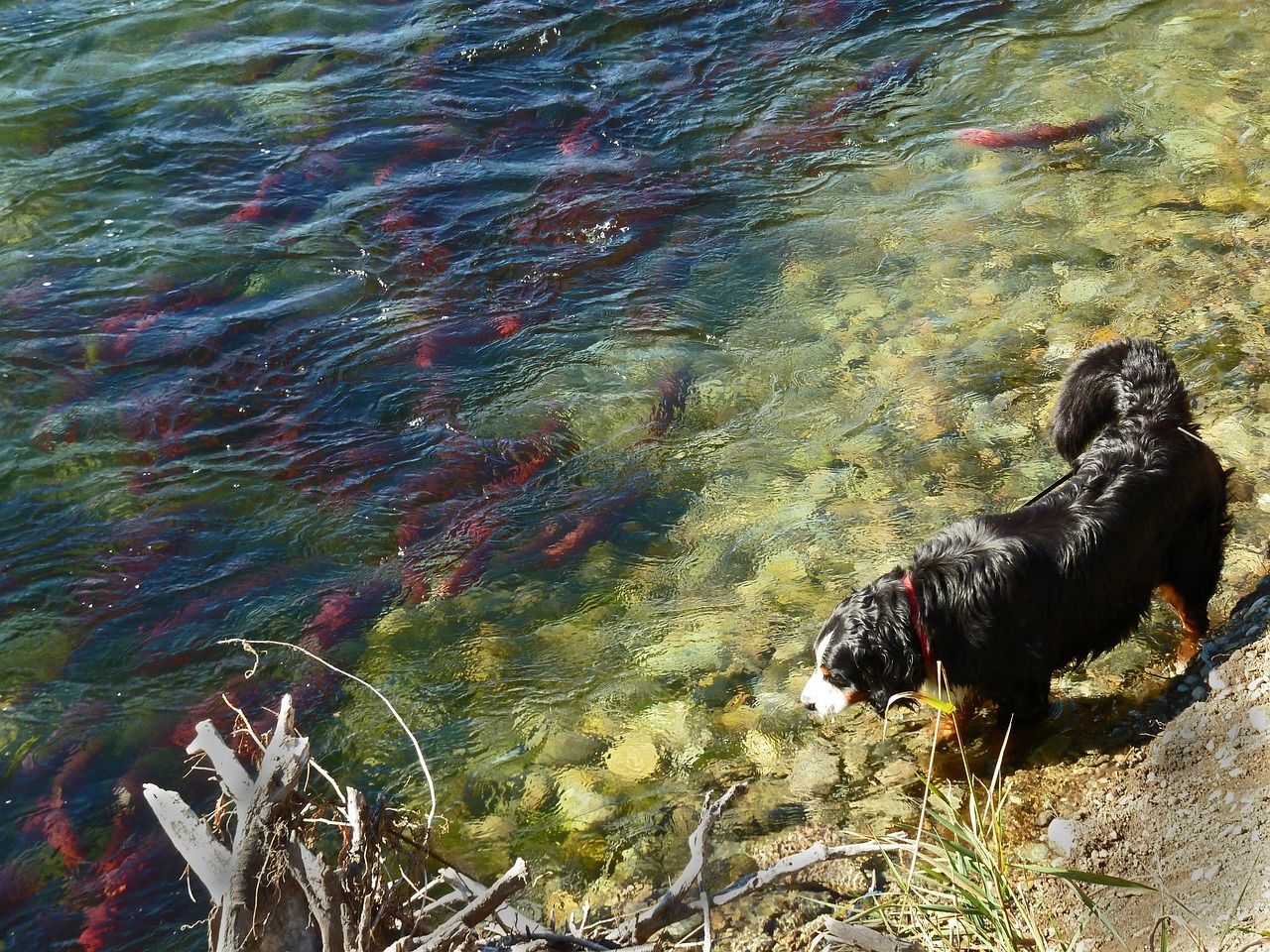
That's why I like fishing this kind of water. Everything happens right in front of you. You might see a salmon roll in the hole. You might see a wake moving through shallow water. Sometimes you'll actually watch fish moving upstream and suddenly realize you've been casting ten feet away from where they're traveling.
I'm Fishing Travel Lanes, Not Just Holes
One thing I've learned about salmon fishing is that the prettiest hole isn't always the best place to stand. I'm trying to figure out how fish are moving through the river.
Where's the easiest route upstream? Where does the heavy current soften? Is there a deeper slot against the bank? Is there a seam where a Chinook can move without burning unnecessary energy? Is there enough depth beside that piece of wood for a fish to tuck underneath it?
That's the stuff I'm looking at.
Sometimes I'll spend more time studying a piece of water than actually casting into it. Once I think I've figured out the travel lane, I'll work it thoroughly before moving on. Salmon may be moving, resting or simply refusing everything you put in front of them, so I'm not giving up on good water after three casts.
Then You See One Roll
Nothing destroys my concentration faster than seeing a big salmon roll.
I could have been fishing the same hole for an hour without touching anything. I'm already thinking about moving downstream, changing gear or admitting that maybe I should've stayed home. Then a Chinook rolls twenty yards away and suddenly I'm convinced I'm standing over fifty fish.
Every salmon angler knows the feeling.
Now I'm checking my leader. I'm looking at my hook. I'm wondering whether I should change colors even though what I'm using looked perfectly fine thirty seconds ago.
That's salmon fishing. A fish can completely screw with your head without ever touching your gear.
Winter Changes Everything
Then the weather gets colder, the salmon season starts fading and my brain switches over to winter steelhead.
Steelhead are a different disease.
With salmon, I might know there are fish in a hole because I've watched them roll. Steelhead can sit there without giving me a single clue. I might cover an absolutely perfect-looking run three times and start wondering whether there's a fish anywhere in the river.
Then the float buries.
That's the moment.
There isn't much time for thinking. Set the hook, get tight and hope the fish doesn't immediately find every submerged branch between you and the Nestucca.
When a fresh winter steelhead comes out of cold coastal water and goes airborne, I don't care how miserable the weather has been. I don't care that my hands are numb or that I've been standing in rain since daylight.
I'm wide awake now.
Steelhead Make You Earn It
I've had steelhead days where I couldn't do anything wrong.
I've had considerably more where I apparently couldn't do anything right.
That's what makes these fish addictive.
I'll change depth. Change color. Change presentation. Fish the top of the run, then the middle, then the tailout. I'll convince myself the fish aren't there, only to watch another angler hook one from water I just finished fishing.
Nothing keeps an ego under control quite like winter steelhead.
But one hookup can save the entire day. You can fish six miserable hours without touching a fish, hook one bright steelhead during the final twenty minutes and drive home thinking it was an incredible trip.
We're not always rational people.
Small Water Means You've Got to Be Smart
Three Rivers isn't the kind of place where I want to stomp straight to the water and immediately start casting.
Small rivers make mistakes obvious.
I'll stay back from the edge when I can, especially when the water is clear. I'll look at the hole before walking into it and start fishing the closest water before automatically bombing a cast toward the opposite side.
I've watched anglers walk right into water that could have been holding fish because they were focused on reaching some distant seam.
Fish your feet first.
Then work outward.
Bring Gear You Trust
This isn't where I want to discover that my leader has a nick in it or my hook point is dull.
Salmon and steelhead have a wonderful ability to expose whatever piece of equipment you've been too lazy to replace.
I'll check knots more often than necessary. I'll feel the leader for damage. I'll sharpen or replace questionable hooks. If something doesn't look right, I fix it.
Because when you've spent half the day trying to get one bite and finally hook the fish you've been waiting for, losing it because you were too cheap to replace twenty cents worth of leader material is a special kind of pain.
I've experienced enough of that pain.
The River Doesn't Owe Me Anything
That's probably the biggest lesson salmon and steelhead fishing has taught me.
Perfect water doesn't guarantee fish.
Fresh rain doesn't guarantee fish.
The expensive rod doesn't guarantee fish.
And that hole where you caught one last year doesn't owe you another one.
Some days Three Rivers will humble you.
You'll fish beautiful green water until your shoulders hurt and drive home without touching a fish. Then you'll hear somebody hooked one ten minutes after you left.
That's fishing.
The only thing you can control is whether you're there when the opportunity finally shows up.
Respect the River and Know the Regulations
Three Rivers and the Nestucca system have specific fishing regulations, and I check the current Oregon Department of Fish and Wildlife rules before every trip. Seasons, boundaries, hatchery and wild fish rules, gear restrictions and other regulations can change, and nobody should rely on what was legal last season.
I also try not to crowd people. Small rivers get tight quickly. If somebody is working a run, give them some room. Talk to people. Rotate through when that's what everyone else is doing. There are enough headaches involved in salmon and steelhead fishing without anglers creating more of them for each other.
I like watching the forecast and wondering whether the next rain will finally bring the river into shape. I like pulling up before daylight, stepping into cold air and hearing the river before I can really see it. I like finding that green water and knowing there could be a fresh Chinook or winter steelhead sitting somewhere in the run in front of me.