Fall Salmon Are Still Running! What’s Coming Through Bonneville Dam Right Now?
October 2026 | Columbia River Fishing Report
October is an exciting time to keep an eye on the Columbia River, especially if you’re a salmon or steelhead fisherman. While some of the biggest pushes of fall Chinook have already made their way upriver, the fish aren’t finished moving.
Right now, coho salmon are still making their way through the Columbia River system, fall Chinook continue pushing upstream, and steelhead are trickling through Bonneville Dam.
For anglers fishing the Columbia River Gorge, the lower Columbia, or tributaries farther upstream, the Bonneville fish counts give us a pretty good look at what’s happening beneath the surface.
What’s Swimming Through Bonneville Dam Right Now?
The latest fish counts show that Bonneville Dam is still seeing fall salmon movement.
Coho have been one of the fish worth watching during October. Fall Chinook are also continuing to pass the dam, although the massive late-summer and early-fall push has begun winding down.
Steelhead are still showing up as well, but in considerably smaller numbers.
That doesn’t necessarily mean the fishing is over. Far from it.
It means we’re entering that part of fall when paying attention to water conditions, weather, fish counts, and tributary flows becomes even more important.
Fall Chinook Salmon: The Big Boys Are Still Moving
For serious salmon fishermen, fall Chinook are one of the biggest reasons to watch Bonneville Dam this time of year.
These powerful fish begin entering the Columbia River during the summer, with major migrations continuing into fall. Many of them are headed toward spawning grounds and hatcheries hundreds of miles upstream throughout the Columbia and Snake River systems.
By mid-October, the peak of the run has generally passed, but that certainly doesn’t mean the Columbia is empty.
Smaller groups of Chinook continue moving upriver.
For fishermen, this means finding them can become more challenging. Instead of having huge numbers of fresh fish pushing through, you may be dealing with smaller groups moving through deep channels, current seams, travel lanes, and areas where salmon temporarily stop before continuing upstream.
This is when knowing the river really starts paying off.
Depending on where fishing is open, anglers may target migrating salmon with plugs, wobblers, spinners, or bait presentations.
However, Chinook retention can be restricted in portions of the Columbia River during this time of year. Always check the current regulations before fishing.
Coho Salmon: One of October’s Big Stories
Coho are another fish I’d be paying close attention to right now.
These aggressive salmon continue migrating through the Columbia during fall, and good numbers can still move through Bonneville during October.
Coho are fun fish to target because they can be incredibly aggressive one minute and completely frustrating the next.
Spinners, twitching jigs, plugs, and bait can all produce fish under the right conditions.
The really interesting part begins when fall rain arrives.
Fresh rain can raise Columbia River tributaries and encourage coho to leave the main river and continue toward their spawning destinations.
That can create some excellent fishing opportunities farther into the Columbia River system.
Steelhead Are Still Moving
Steelhead are another species passing Bonneville Dam during October.
Although many Oregon Coast fishermen associate steelhead with cold winter mornings and coastal rivers, the Columbia River supports a major summer steelhead migration.
These fish can enter freshwater months before they actually spawn.
By October, however, steelhead passage at Bonneville has slowed considerably compared with earlier portions of the run.
There are still fish moving through, but anglers should have realistic expectations.
This is also a fishery where conservation becomes particularly important when returns are low. Pay close attention to wild fish release requirements, hatchery regulations, closures, and emergency rule changes.
October Water Conditions Can Change Everything
One thing I’ve learned about fall fishing in Oregon is that you can’t just watch the calendar.
You have to watch the water.
September can bring warmer water temperatures and lower flows. Then October arrives and suddenly we start getting cooler nights, shorter days, and those first real Pacific Northwest rainstorms.
That's when things can change quickly.
Cooler water can improve conditions for migrating salmon, while rainfall can increase flows in Columbia River tributaries.
Sometimes that fresh water is exactly what salmon have been waiting for.
Fish that have been holding can suddenly start moving.
But there's another side to it.
Too much rain can blow out tributaries, muddy the water, increase current speeds, and make fishing difficult.
One of my favorite situations is catching a river when it begins dropping after a good rain.
The water starts clearing.
Visibility improves.
The river gets that beautiful green color.
And somewhere underneath it, salmon are moving.
Where Are the Fish Going?
One of the coolest things about watching Bonneville Dam fish counts is realizing that Bonneville isn't necessarily the final destination.
For many salmon, it's just another obstacle along an incredible journey.
Some fish passing Bonneville will continue hundreds of miles farther upstream.
Others will eventually turn into tributaries connected to the Columbia.
That's why fishermen farther upstream pay attention to Bonneville counts.
If a strong push of salmon moves through the dam, those fish don't simply disappear.
They're heading somewhere.
Watching fish counts alongside river temperatures, rainfall, stream flows, and fishing reports can help anglers get a better idea of when fish might arrive farther upstream.
Fishing Around the Columbia River Gorge
The Columbia River Gorge remains one of the most interesting places to watch fall salmon movement.
The river here is huge, powerful, and constantly changing.
Finding fish can require paying close attention to current seams, underwater structure, depth changes, and known salmon travel routes.
Boat anglers have the ability to cover considerably more water, but bank fishermen can still find opportunities in areas where migrating salmon travel close to shore.
The trick is finding those natural travel lanes.
Salmon generally aren't randomly wandering around the Columbia. They're moving upstream while trying to conserve energy.
Current breaks, shoreline structure, depth changes, and slower water adjacent to stronger current can all become important.
Bonneville Pool
Immediately above Bonneville Dam is another massive stretch of Columbia River.
Every salmon that successfully passes Bonneville enters this portion of the river before continuing upstream.
That alone makes it interesting water.
Depending on current regulations and seasonal openings, fishermen may encounter Chinook, coho, and steelhead moving through the system.
Again, regulations are extremely important here because retention opportunities can change throughout the season.
What About Sockeye and Shad?
Not every Columbia River fish makes its major migration during fall.
Sockeye generally make their big push earlier in the year.
American shad are another fish that primarily migrate through the Columbia during late spring and summer.
By October, those runs have largely finished.
Pacific lamprey also migrate through the Columbia River system and are counted at Bonneville Dam.
Lamprey don't get nearly as much attention from fishermen, but they're an important native species and an incredible part of the Columbia River ecosystem.
What Can Fishermen Expect During the Rest of October?
October is a transition month.
The huge fall Chinook numbers begin tapering off, but Chinook don't suddenly disappear.
Coho continue pushing through.
Steelhead are still present.
And every good fall rainstorm has the potential to change what the fish are doing.
That's why I like checking the Bonneville Dam counts during fall.
If you see a noticeable increase in fish moving through the dam, something has changed.
Maybe the water cooled.
Maybe river conditions improved.
Maybe a new group of salmon simply decided it was time to move.
Whatever caused it, those numbers give fishermen another piece of information to work with.
They won't tell you exactly where to cast tomorrow morning, but they can tell you what's moving through the Columbia.
Always Check the Regulations
This is especially important on the Columbia River.
Salmon and steelhead seasons can change during the year based on run strength, harvest quotas, conservation concerns, and emergency regulations.
A section of river that allowed Chinook retention earlier in the season may have different regulations later.
The same applies to coho and steelhead.
Never assume last week's regulations still apply.
Check the Oregon Department of Fish and Wildlife regulations before every trip, especially if you're planning on keeping fish.
The Fall Run Isn't Over Yet
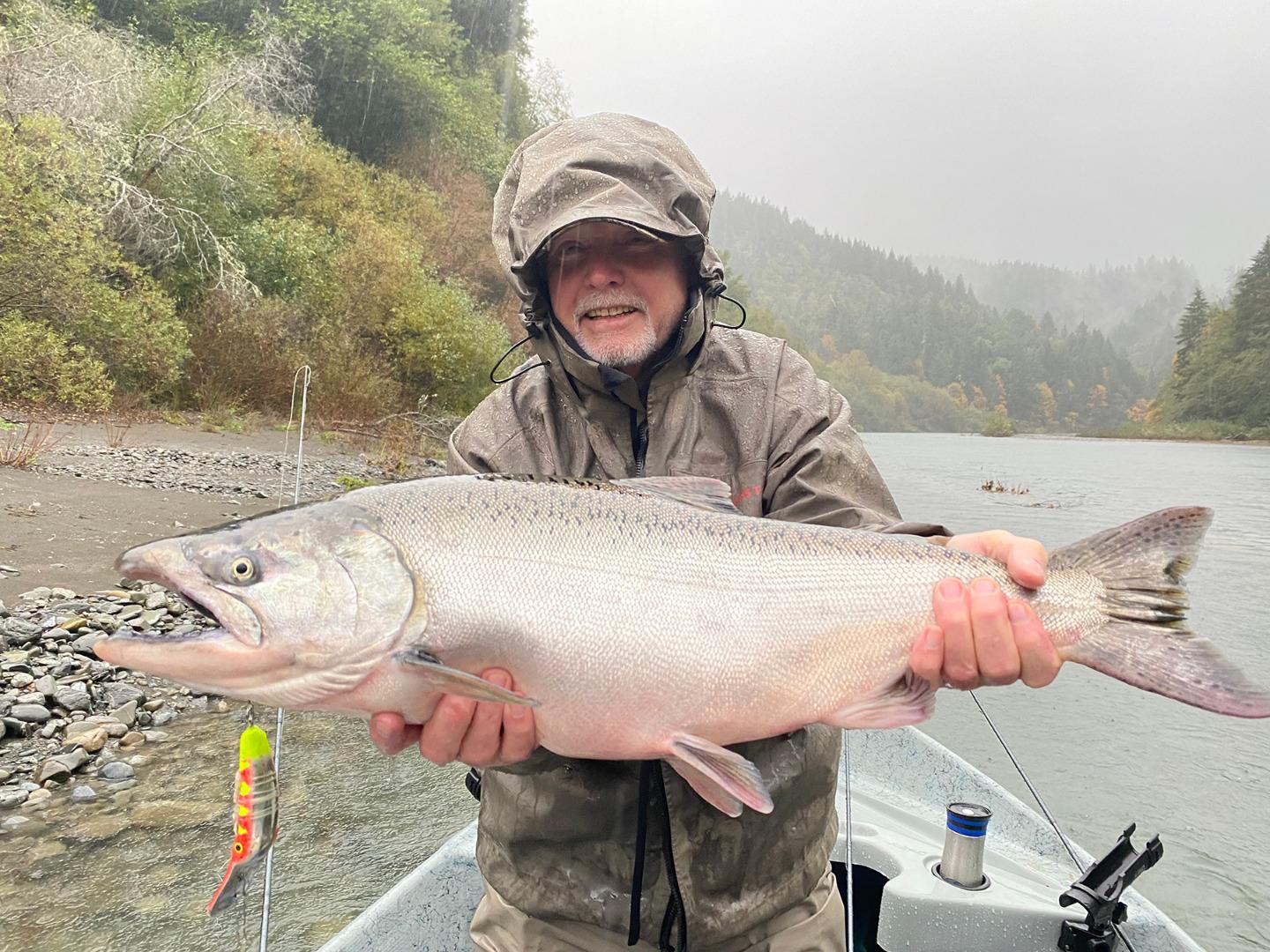
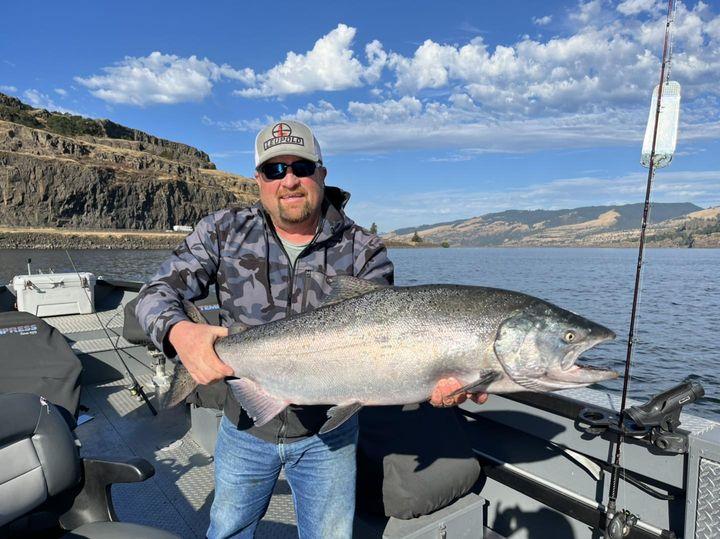
That salmon came out of the Pacific Ocean, entered the Columbia River, fought the current, passed through one of the biggest dams in the Pacific Northwest, and kept swimming toward home.
Some of these fish still have hundreds of miles ahead of them.
For fishermen, October might not bring the enormous salmon numbers we see during the peak of the fall run, but there's still plenty happening beneath the Columbia.
Fall Chinook are still moving.
Coho are still coming.
Steelhead are still making their way upstream.
And as the Oregon rain begins falling and the rivers start changing, the final chapter of another Columbia River fall salmon season is still being written.