Fish Are Moving Through Winchester Dam: Mid-October North Umpqua Fishing Report
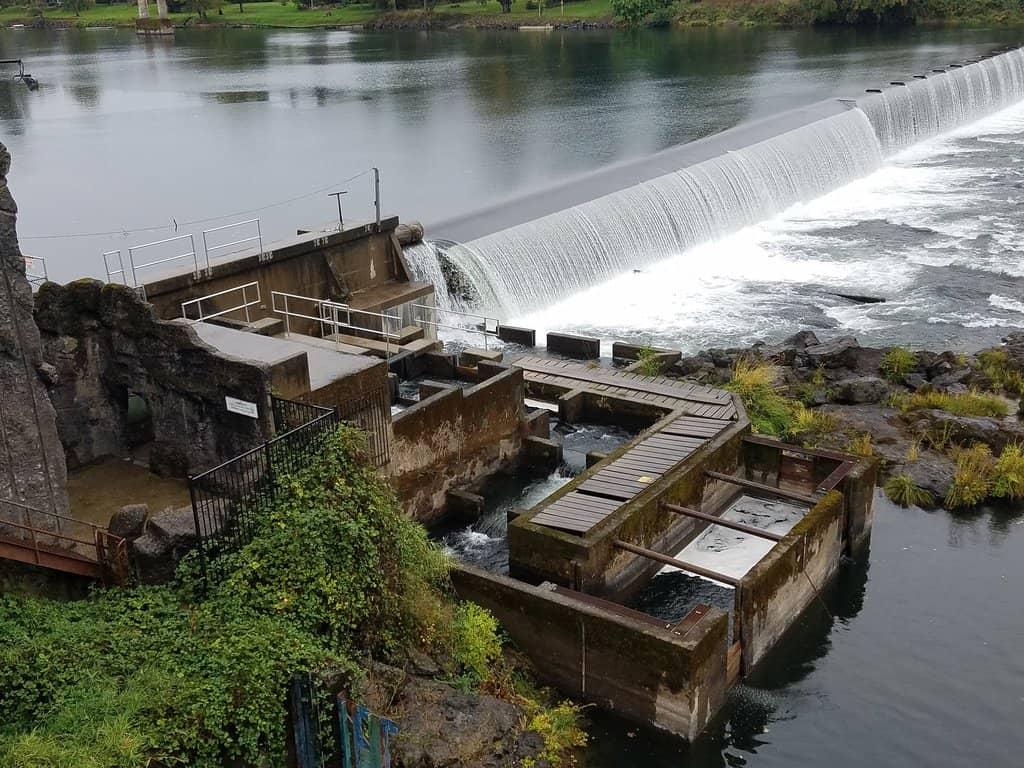
If you want to know what is happening in the North Umpqua River, Winchester Dam is one of the first places I look. Sitting on the North Umpqua near Roseburg, roughly 118 river miles from the Pacific Ocean, the dam acts almost like a checkpoint for salmon and steelhead headed farther into the upper river.
And here in the middle of October, there are definitely fish in the system.
The big story right now is the transition into the fall portion of the run. Coho salmon, summer steelhead and smaller numbers of fall Chinook can all move through Winchester Dam during this period, although this year comes with an especially important warning for anglers: North Umpqua steelhead fishing is currently closed.
Coho Are One of the Fish to Watch
October is prime migration time for coho salmon in Southwest Oregon, and Winchester Dam is an important place to watch their progress into the North Umpqua.
ODFW lists coho as one of the primary anadromous species counted at Winchester Dam. Throughout Southwest Oregon, fall Chinook and coho generally begin returning in late summer, with migrations continuing through October and, in some systems, November.
These fish have already made quite a journey by the time they reach Winchester. They enter the Umpqua from the Pacific, travel through the lower river and eventually turn into the North Umpqua before reaching the dam.
Fall rain can completely change the situation.
After the first substantial rains raise the river, salmon that have been holding lower in the system can begin moving aggressively. A bump in flow accompanied by cooler water is exactly the kind of change I watch for during October.
That means the fish you see today don't necessarily tell you what you'll see several days from now. A good rain can send another wave of salmon upriver.
What About Fall Chinook?
There are fall Chinook in the Umpqua system right now, but Winchester Dam isn't necessarily the best measuring stick for the entire Umpqua fall Chinook run.
ODFW specifically notes that only relatively small numbers of fall Chinook pass Winchester Dam because most of the run spawns in the mainstem Umpqua and South Umpqua systems.
So don't look at Winchester and assume a modest Chinook count means there aren't Chinook elsewhere in the Umpqua.
That's an important distinction for fishermen.
October is still serious fall salmon season in the Umpqua Basin. Chinook can be spread throughout the system, and changing flows can constantly redistribute fish.
Summer Steelhead Are Present — But There's a Major Catch
Normally I'd be pretty excited talking about October summer steelhead on the North Umpqua. This is one of Oregon's legendary steelhead rivers, and cooler fall water can get summer fish moving again after the heat of summer.
But 2026 is different.
ODFW closed steelhead angling on the North Umpqua from the mouth upstream to the marker below Soda Springs Dam from August 10 through November 30, 2026.
The reason is concerning.
The number of returning wild summer steelhead passing Winchester Dam was below 1,000 fish when the emergency closure was announced. ODFW biologists projected the run would fail to reach the 1,200-fish critical abundance level used in the state's management framework.
Low river flows and very warm summer water were additional concerns.
So yes, summer steelhead can still be migrating through Winchester Dam this fall. That does not mean you can target them.
If you're fishing the North Umpqua this October, check the current ODFW regulations and emergency updates before putting a line in the water.
Winchester Dam Counts Aren't Real-Time
There's another thing fishermen need to understand when somebody says fish are going through Winchester Dam "right now."
The official numbers aren't necessarily yesterday's fish.
ODFW records fish passage using a video camera. A technician later reviews the footage and identifies species, size, fin clips and other characteristics. ODFW warns that published counts can consequently run one to two months behind.
As of mid-October, ODFW's public Winchester Dam page currently lists September as the newest 2026 strata-count period, rather than providing a completed October count.
So I wouldn't throw out an "October total" and pretend it's a live fish count. The final numbers simply aren't available yet.
What we can say is that October falls directly within the migration window for several species using the North Umpqua, particularly coho and summer steelhead, with occasional fall Chinook also passing the dam.
What I'm Watching Next
Rain.
That's the biggest thing I'm watching over the next couple of weeks.
If the Umpqua Basin gets a solid Pacific storm that raises the river without completely blowing it out, fish that have been scattered or holding can start moving.
For salmon fishermen, that first meaningful fall rise can be one of the most exciting changes of the entire season.
You can go from staring at relatively low, clear water to seeing a completely different river several days later. The water gains some color, temperatures drop, tributaries begin contributing more flow, and salmon suddenly have an easier path into their spawning areas.
That's when I start paying close attention.
Winter Steelhead Aren't Far Behind
There's another reason I like watching Winchester Dam during October.
We're getting closer to winter steelhead season.
ODFW identifies winter steelhead as another major migratory fish counted at Winchester Dam, and Southwest Oregon's winter steelhead fisheries generally begin getting underway in December and continue into spring.
October isn't winter steelhead season yet, but we're getting close.
As fall salmon push through the system and November arrives, my attention gradually starts shifting toward the first winter fish. Once December storms begin rolling through Southern Oregon, we're into an entirely different game.
The Bottom Line
Mid-October is a transition period at Winchester Dam.
Coho are one of the main salmon species worth watching as they migrate through the North Umpqua. Some fall Chinook also pass the dam, although the majority of the Umpqua's fall Chinook don't use this portion of the system. Summer steelhead are also present, but the extremely low 2026 wild return resulted in an emergency closure to steelhead angling through November 30.
And that's what makes Winchester Dam so interesting.
You're essentially watching the seasons change underwater.
The summer steelhead migration is winding down. Fall salmon are pushing upriver. Coho are entering freshwater. The rains are beginning to matter more with every passing week. And somewhere behind all of them, the first winter steelhead of the next season aren't too far away.
For me, that's the exciting part about watching an Oregon river in October.
The river isn't shutting down for winter.
It's changing shifts.