Follow the Salmon Run: An Early Fall Adventure Along the Oregon Coast
By early fall, something remarkable begins happening in the rivers that flow into the Pacific Ocean. After spending years in the open sea, thousands of Chinook salmon return to the very streams where they were born. For visitors to the Oregon Coast, witnessing this annual migration is one of the most fascinating—and underrated—seasonal activities you can experience.
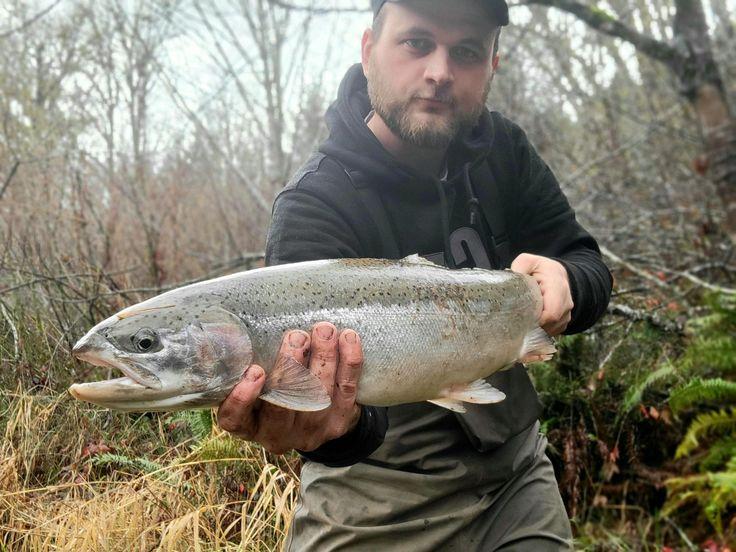
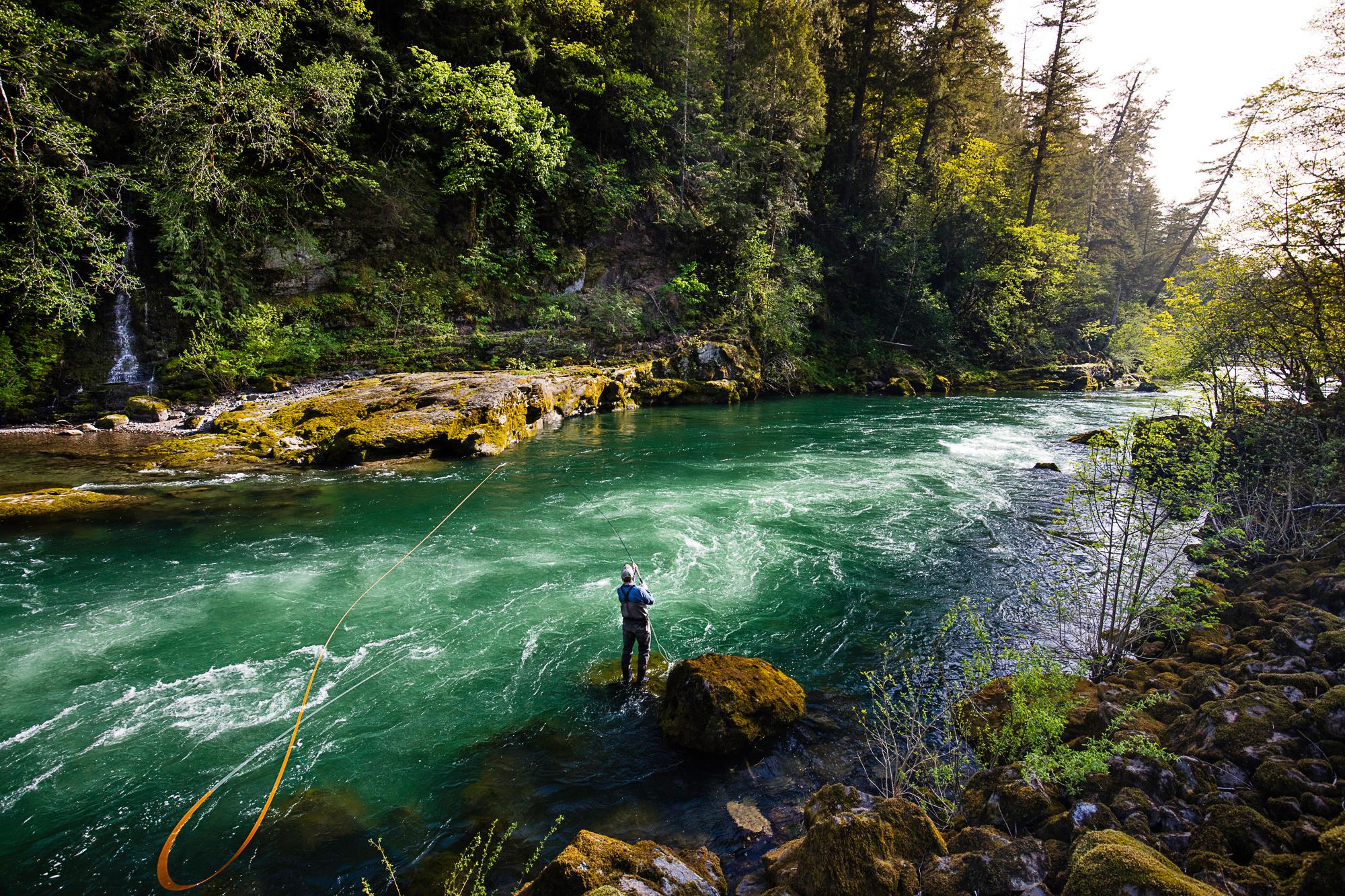
September marks the beginning of the fall Chinook run in many coastal watersheds. Rivers like the Siletz, Siuslaw, Alsea, Nestucca, Nehalem, Rogue, and Elk begin filling with powerful salmon pushing upstream against the current. While many anglers head to the water with fishing rods in hand, you don't have to fish to appreciate this incredible natural event.
Several public access areas offer excellent opportunities to observe salmon as they navigate riffles, pools, and shallow gravel beds. Walk a riverside trail early in the morning when the water is calm, and watch for the unmistakable flash of silver or bronze beneath the surface. In clear water, you may even witness salmon resting in deep pools before making another determined push upstream.
The journey isn't without challenges. Bald eagles perch high in riverside trees waiting for an easy meal, while great blue herons patiently stalk the shallows. River otters occasionally dart through the current, and black bears in some areas take advantage of the seasonal abundance. It's a vivid reminder that salmon are the heartbeat of Oregon's coastal ecosystems, providing food for countless species long after they complete their life cycle.
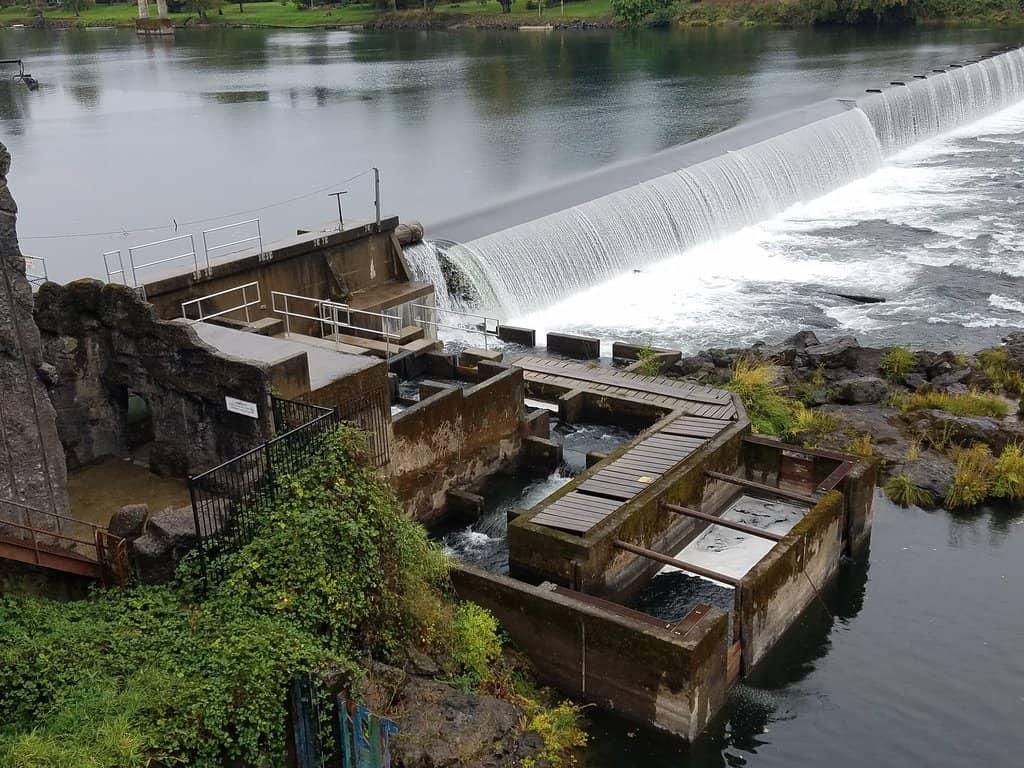
One of the best places to learn more about this migration is by visiting a nearby hatchery. Facilities such as the Salmon River Hatchery near Otis or the Elk River Hatchery outside Port Orford often welcome visitors during the spawning season. Viewing windows, educational displays, and fish ladders provide an up-close look at how salmon navigate man-made barriers and how conservation programs help sustain healthy fish populations.
Bring a pair of polarized sunglasses to reduce glare on the water and increase your chances of spotting fish. A camera with a zoom lens is also worthwhile, especially if you hope to photograph wildlife along the riverbanks. Dress in layers, as cool mornings often give way to warm afternoons, and don't forget waterproof footwear if you plan to explore gravel bars or riverside trails.
After your river adventure, continue the day in one of Oregon's charming coastal communities. Enjoy fresh seafood at a local restaurant, explore nearby beaches, or watch the sunset where the river finally meets the Pacific Ocean. It's the perfect way to experience both the rugged coastline and the rich inland forests that make this region so unique.
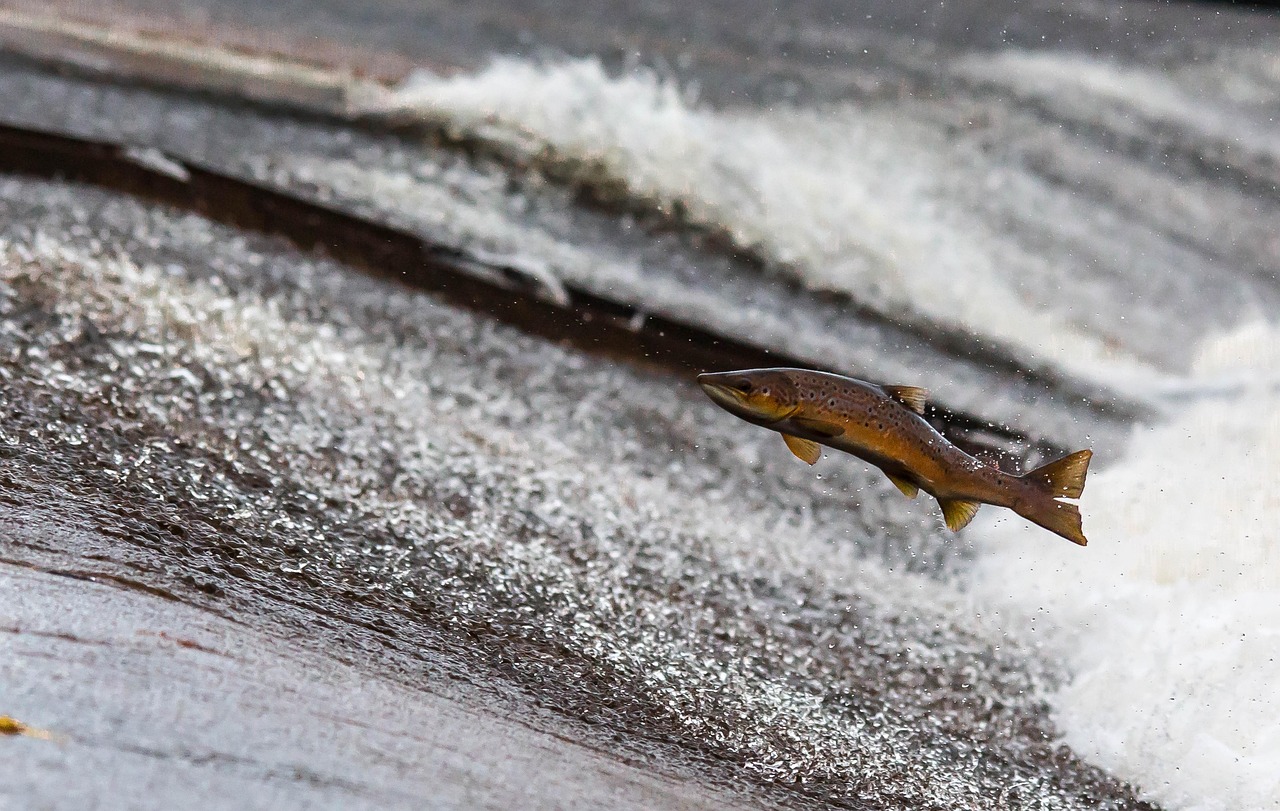
The salmon run is more than a seasonal event—it's one of nature's greatest endurance stories. Every leap over a rapid and every mile traveled upstream is part of a cycle that has shaped Oregon's coastal rivers for thousands of years. Visiting during early fall offers a front-row seat to this incredible migration and a deeper appreciation for the wild landscapes that define the Oregon Coast.