North Umpqua River Fishing Report: Fall Fishing Near Tyee, Oregon — Late October 2026
Douglas County, Oregon | Fall salmon, steelhead and trout conditions
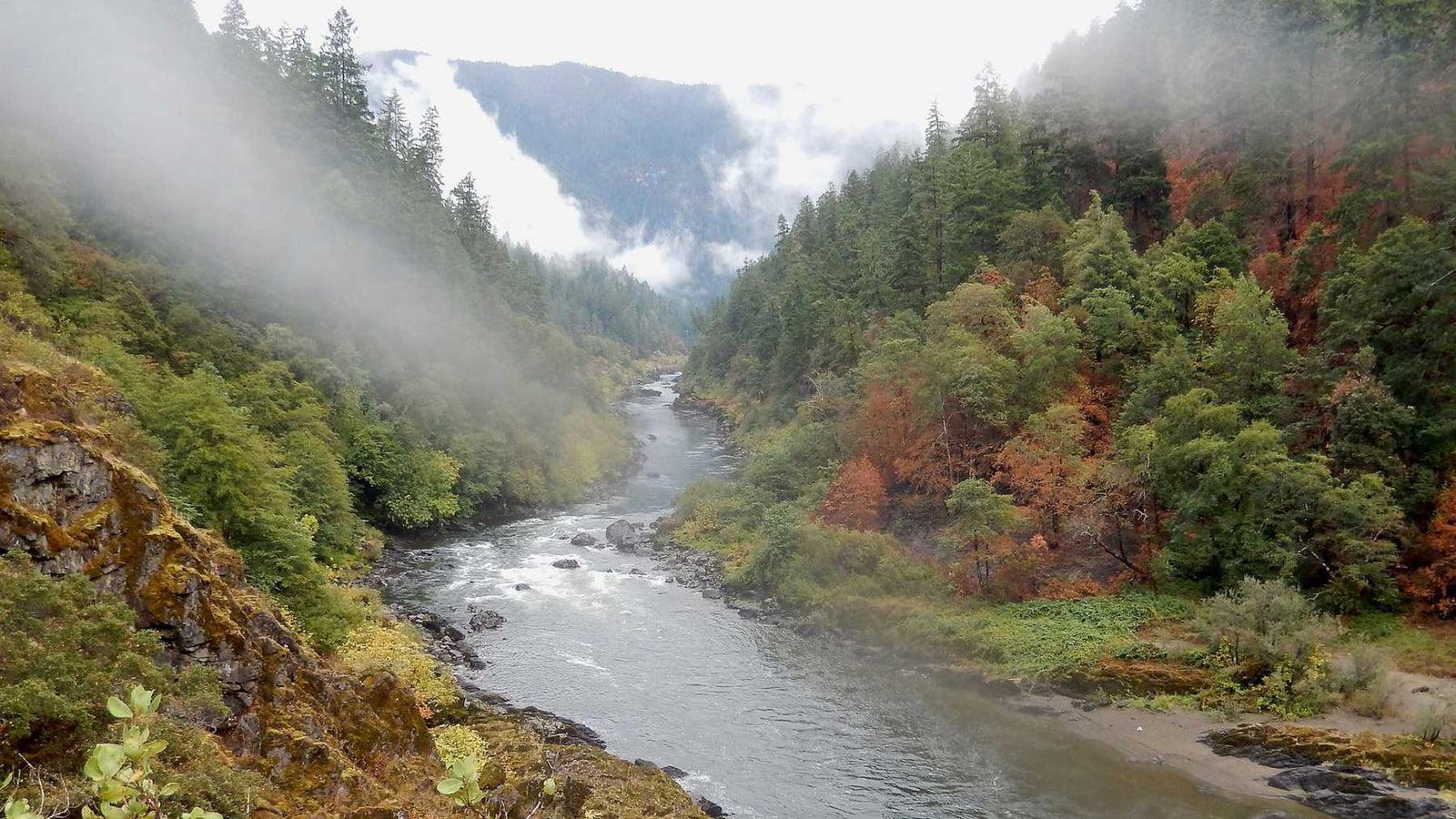
October on the North Umpqua River is one of those times when I start paying close attention to the weather, the river levels, and what fish are moving upstream. The stretch of river near Tyee, Oregon, sits in a beautiful part of Douglas County, where deep pools, rocky runs, and fast-moving water make for some interesting fishing. But this fall, there's more to the story than just finding the right hole and putting a line in the water.
We're in the middle of the fall salmon migration, summer steelhead are still present in the North Umpqua system, and cooler temperatures are gradually changing river conditions. Unfortunately, 2026 has also brought some serious conservation concerns, including an emergency closure affecting steelhead fishing.
Here's what anglers need to know before heading out.
Current River Conditions Near Tyee
LATEST VERIFIED DOWNSTREAM GAUGE — WINCHESTER
Low fall flows
Daily mean flow · Oct. 20
747 CFS
Gauge height · Oct. 21, 5 AM
1.80 ft
Oregon Water Resources Department readings at Winchester, downstream of the upper North Umpqua. These are not measurements at Tyee itself.
The river is still waiting for the kind of substantial fall rainfall that gets anglers excited. ODFW's latest recreation report describes relatively mild weather and insufficient rainfall to encourage stronger upstream fish movement.
When the North Umpqua is running low and clear, fish can become more cautious, especially in the shallow stretches. Deep pools, shaded water, and areas with current breaks become important places to observe fish activity.
A good October rainstorm can change everything. Rising water can encourage migrating salmon to move upstream, particularly when flows increase without turning the river excessively muddy.
What's Running in the North Umpqua Right Now?
Coho Salmon — Fall Migration Underway
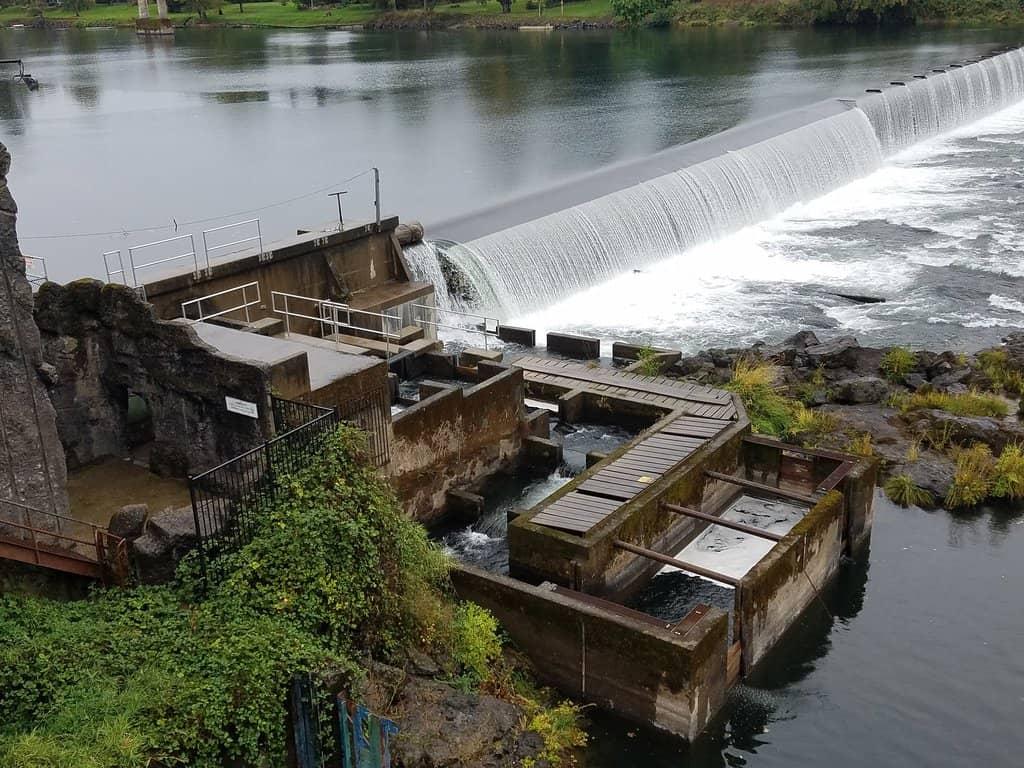
Coho are one of the species worth watching in October. These salmon move through the Umpqua system during the fall, with some traveling through Winchester Dam and continuing farther upstream.
Fresh rainfall can encourage fish that have been holding downstream to move. Although hatchery coho fishing is permitted in certain open sections under permanent regulations, anglers must confirm the rules for their exact location. The presence of wild coho does not automatically make them legal to retain.
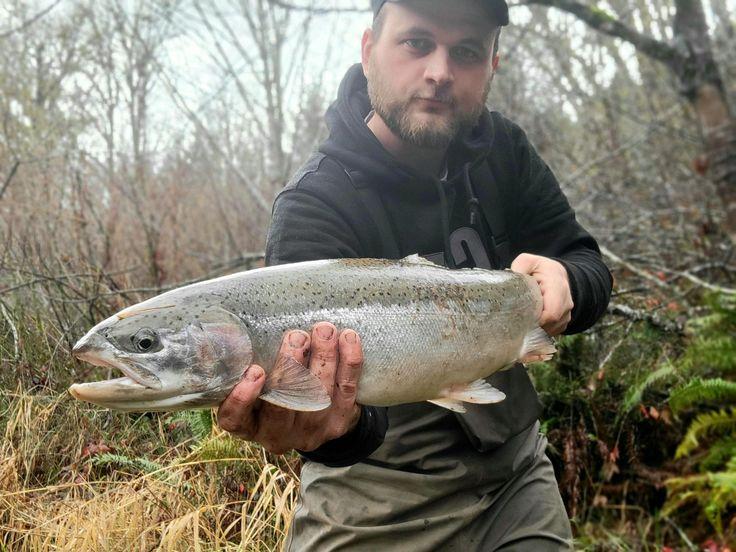
Summer Steelhead — Present, But Fishing Is Closed
This is the biggest regulatory development of the season.
ODFW has closed all steelhead angling on the North Umpqua River from its mouth upstream to the marker below Soda Springs Dam, effective August 10 through November 30, 2026.
The closure was prompted by a critically low return of wild summer steelhead. Fewer than 1,000 wild fish had passed Winchester Dam when the closure was announced, and biologists projected the run would fall below the 1,200-fish critical abundance threshold.
Even if you see steelhead holding in a beautiful run, they are off-limits to targeting during this closure.
Chinook Salmon — Watch the Migration, Not the Rod
Some fall Chinook travel into the North Umpqua, although the majority of the Umpqua Basin's fall Chinook migration occurs elsewhere in the system.
Importantly, the North Umpqua's open Chinook sections generally have February-through-June seasons under the permanent regulations. October is not an open Chinook fishing season in those sections.
Rainbow and Cutthroat Trout — An October Option
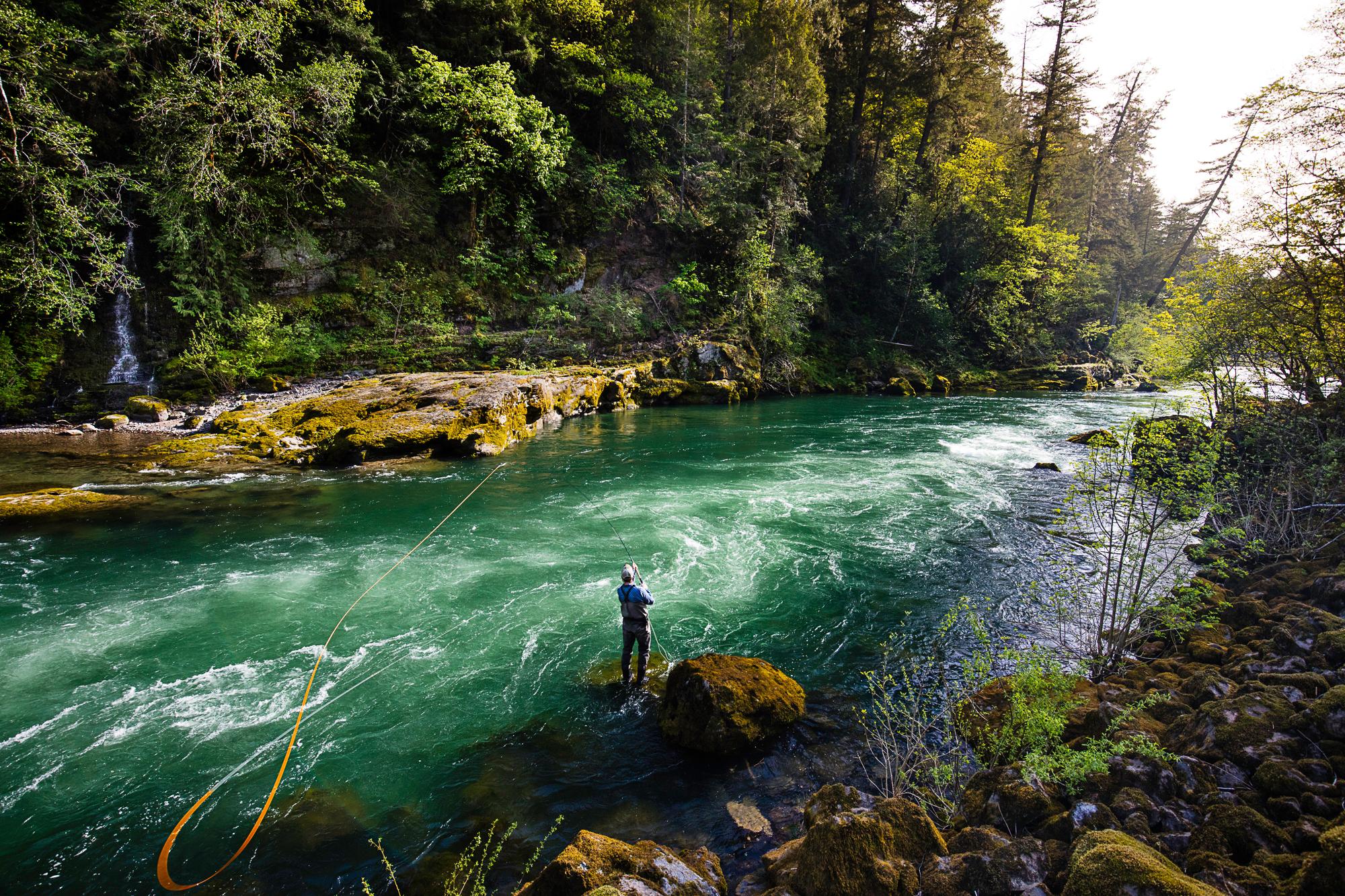
Trout fishing provides another opportunity in open sections of the river. Under permanent North Umpqua regulations, rainbow and cutthroat trout are catch-and-release from May 22 through October 31.
Small flies and carefully presented artificial offerings can be effective in suitable water, but special gear restrictions apply to different river sections. Best Fishing Areas and Techniques
One important geographical distinction: Tyee itself is on the mainstem Umpqua River, not the North Umpqua. The North and South Umpqua join upstream near Roseburg. That matters because the fishing opportunities and regulations around Tyee are different from those on the North Umpqua.
If I'm heading toward Tyee in late October, I'm watching the deeper holding water, the slower seams alongside stronger current, and the areas where the river transitions from riffles into longer pools.
The mainstem around Tyee is also known for smallmouth bass fishing. As the water cools, I would slow down my presentation and concentrate on deeper rocky structure rather than covering shallow water too quickly. Small soft plastics, crawfish imitations, and jigs can be productive choices when the bass bite is on.
For salmon, I would focus first on confirming which species and seasons are open in that particular stretch. A fish moving upriver isn't necessarily a fish you can legally target or keep.
Tyee Recreation Site offers river access along Bullock Road, making it a useful starting point for scouting the mainstem.
What We're Watching Over the Next Two Weeks
The biggest factor is going to be rainfall. A decent storm that raises the Umpqua system could improve migration conditions, but it may also temporarily reduce water clarity.
I'd pay particular attention to the first couple of days after a rise, once the river begins settling. That is often when changing water conditions create interesting opportunities for anglers.
I'm also watching the approach of winter steelhead season. December and January can bring a completely different style of fishing to the Umpqua system, provided water conditions and regulations cooperate.
Fishing Outlook
Late October is a transition period for the Umpqua Basin. Salmon are moving through the watershed, summer steelhead conservation remains a major concern, and anglers are waiting for the fall rains to improve migration conditions.
For the North Umpqua, trout fishing in designated open sections is worth considering, while steelhead targeting remains closed through November 30. Around Tyee on the mainstem, bass fishing and scouting potential winter steelhead water are more relevant options.
These are the latest verified conditions and seasonal expectations, rather than confirmed same-day catch reports from anglers at Tyee.
Before fishing, check the ODFW emergency fishing regulations and the ODFW recreation report.
The fish are moving, but we're still waiting for the fall rains to give the Umpqua a good push. Keep an eye on the river levels, respect the closures, and don't overlook the mainstem around Tyee as winter approaches.