Foraging and Preparing Lobster Mushrooms on the Oregon Coast
If you spend enough time wandering the damp coastal forests of Oregon—Douglas firs creaking overhead, sword ferns brushing your shins, the air heavy with the smell of rain—you’ll eventually stumble upon something that looks like it belongs in an underwater coral reef rather than on land: the brilliant lobster mushroom. With its fiery orange surface and seafood-like aroma, this strange fungus is one of the coast’s most distinctive wild foods and a prized prize for foragers from Astoria to Brookings.
And the best part? Lobster mushrooms are as delicious as they are bizarre.
This guide takes you through where to find them, how to harvest responsibly, and how to prepare them in the kitchen—whether you’re frying them in butter at a campground on the Nehalem River or turning them into a restaurant-quality dish at home.
Meet the Lobster Mushroom: Oregon’s Coastal Crustacean of the Forest
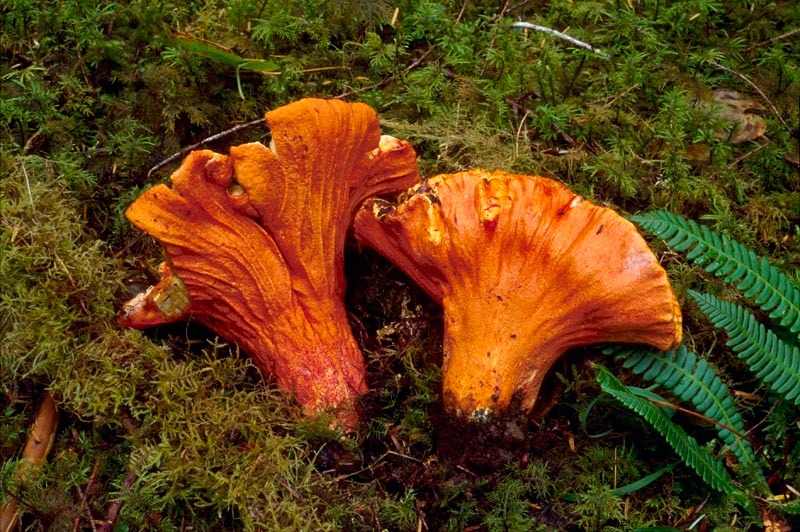
Despite the name, lobster mushrooms are not actually mushrooms in the traditional sense—they’re the result of a parasitic fungus (Hypomyces lactifluorum) that infects a Russula or Lactarius mushroom and transforms it into something entirely new.
What you end up with is:
- A dense, meaty texture
- A bright orange exterior reminiscent of cooked lobster
- A mild seafood-like aroma
- A flavor that deepens and intensifies when roasted or sautéed
On the Oregon Coast, lobster mushrooms typically appear from late July through October, especially after the first soaking rains of late summer but in the temperate climate you can sometimes find them year round even through the winter months.
Where to Forage Lobster Mushrooms on the Oregon Coast
The coast offers ideal habitat: rich soils, mixed conifer forests, cool temperatures, and high moisture. Though seasoned foragers keep their spots secret, several public areas consistently produce good flushes.
1. Tillamook State Forest
Located inland from the Tillamook Coast, this forest is a classic mushroom destination: mossy, dark, and humming with fungal life. Trails around Jones Creek, Gales Creek, and the Wilson River corridor often yield lobsters after rain.
2. Cape Perpetua Scenic Area
Between Yachats and Florence, Cape Perpetua hosts some of the most vibrant coastal old-growth. Check along the Cummins Creek and Cook’s Ridge trails where Lactarius mushrooms are abundant.
3. Siuslaw National Forest
Stretching from Waldport to Coos Bay, this is one of Oregon’s premier foraging regions. The inland slopes above Heceta Head, Carl G. Washburne State Park, and the hills near Reedsport often produce lobsters.
4. Humbug Mountain State Park
Down south near Port Orford, the steep, verdant slopes of Humbug Mountain create the perfect microclimate for late-season fruiting.
5. Private Timberlands (With Permits)
Many timber companies such as Green Diamond or Weyerhaeuser offer autumn foraging permits for a fee. These areas are rich in Lactarius species—meaning they’re also perfect for lobsters.
Tip: Spend time looking at the ground, not the trees. Lobster mushrooms often hide under duff, poking up like bright orange stones.
How to Identify Lobster Mushrooms Safely
Lobster mushrooms are among the easier wild mushrooms to identify, but proper mushroom safety is essential.
Key identification clues
- Color: Bright orange or red-orange surface, like the shell of a cooked lobster
- Texture: Dense, firm, and heavy; not hollow or crumbly
- Flesh: White inside
- Aroma: Mild, seafood-like or slightly nutty
- Shape: Irregular and distorted—because the parasite reshapes the host mushroom
Look out for:
- Soft or chalky mushrooms: These may be decayed or waterlogged
- Darkened or purple spots: Indicates rot
- Bugs and tunnels: Lobsters can get wormy quickly
When in doubt, always consult:
- An experienced forager
- A local mushroom club (e.g., Lincoln County Mycological Society)
- A reputable field guide
Never eat a mushroom unless you’re 100% certain of its ID.
Harvesting Lobster Mushrooms Responsibly
Oregon encourages sustainable foraging. Follow these guidelines:
- Use a knife to cut the mushroom at the base—don’t yank it out
- Clean as you harvest by brushing off needles and dirt
- Leave old, soggy, or bug-ridden specimens—they help spread spores
- For personal use, most public areas allow small quantities without a permit
- Stay on established trails to protect delicate ecosystems
Preparing Lobster Mushrooms: From Forest to Pan
Lobster mushrooms are incredibly versatile—they behave much like firm seafood or dense chanterelles.
Cleaning
Lobster mushrooms can be stubbornly dirty because of their crevices.
- Brush off debris with a soft brush.
- Use a damp cloth to wipe the surface.
- Only rinse if absolutely necessary, as they absorb water quickly.
- Trim away any soft or off-colored areas.
Slicing
Slice lobsters into:
- Thin strips for sautéing
- Thick chunks for stews
- Steak-like slabs for grilling
They hold up beautifully to heat.
Cooking Ideas for Lobster Mushrooms
Here are reliable, Oregon-tested ways to bring out their best flavors:
1. Butter-Sautéed Lobster Mushrooms
A classic campfire method.
- Butter
- Garlic
- Salt & pepper
- Splash of white wine
Cook until caramelized. Serve over steak, pasta, or toasted sourdough.
2. Lobster Mushroom Chowder
Perfect for stormy coastal nights.
Simmer lobster mushrooms with:
- Leeks
- Potatoes
- Heavy cream
- Thyme
- A pat of butter
The result is rich, warm, and comfortingly seafood-like.
3. Roasted Lobster Mushroom “Steaks”
Slice thick, brush with olive oil, and roast at 400°F until crispy.
Serve with:
- Lemon
- Fresh herbs
- A drizzle of garlic butter
4. Lobster Mushroom Fried Rice
Their chewy texture pairs well with:
- Eggs
- Sesame oil
- Green onion
- Soy sauce
For an umami-packed vegetarian dish.
5. Lobster Mushroom Bisque
Creamy, elegant, and surprisingly decadent—great for holiday meals.
Safety Note: Parboil When Unsure
Some foragers prefer to parboil lobster mushrooms to mellow any strong flavors or potential irritants. It’s not required but can improve texture.
The Joy of Coastal Foraging
There’s something deeply satisfying about wandering an Oregon forest after a good rain—boots sinking slightly into soft needles, the air cool and earthy—and spotting that flash of orange peeking through the duff. It feels like discovering buried treasure.
Even better is returning home with a basket full of these wild coastal delicacies and turning them into meals that taste like the forests they came from. The Oregon Coast is one of the best places in the Pacific Northwest to discover the strange and delicious world of lobster mushrooms.