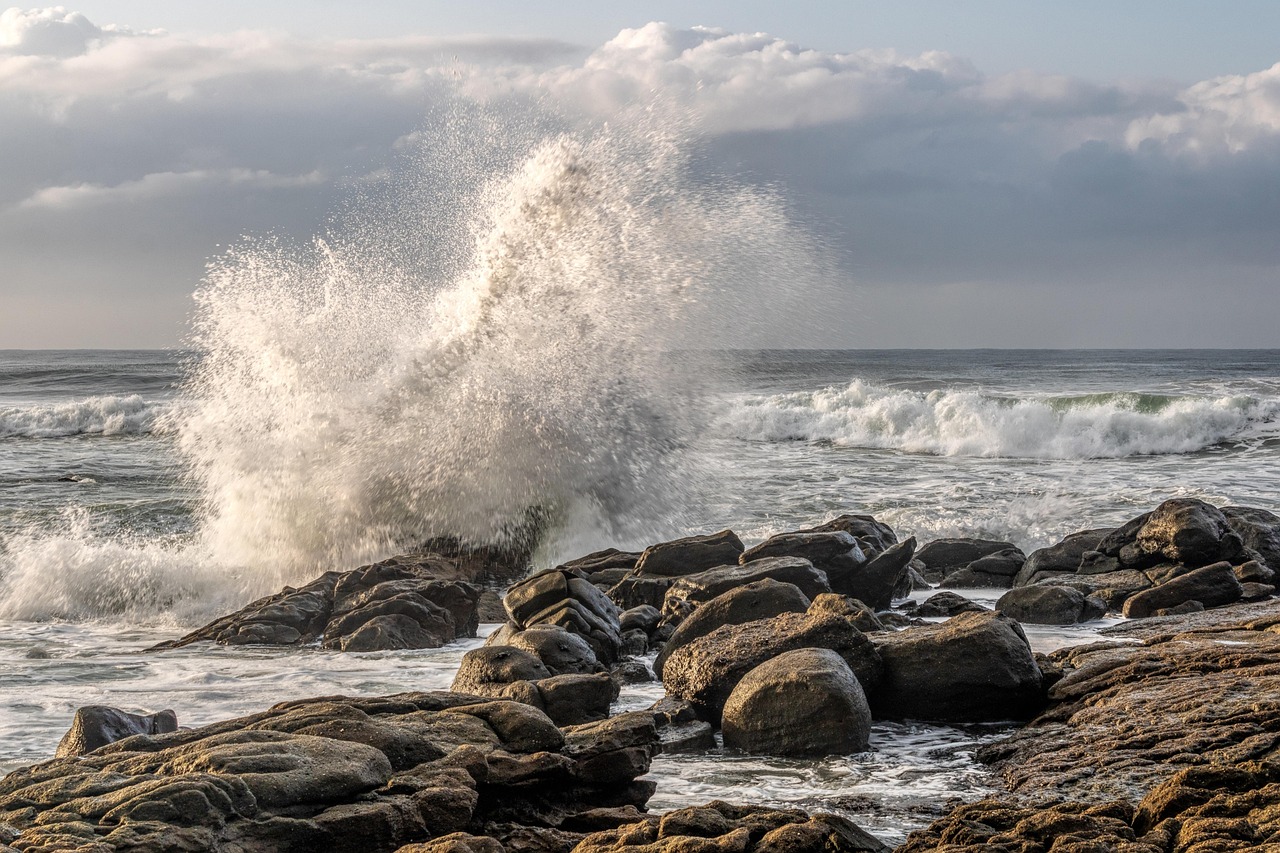
King Tides: The Royalty & Fame of The Great Pacific
If you’ve ever visited the Oregon coast and noticed the ocean swelling far beyond its usual bounds, you might have witnessed a king tide. These extraordinary tides aren’t caused by storms or unusual weather—they are a natural, predictable phenomenon that occurs when the gravitational forces of the sun and moon align perfectly. For coastal residents, photographers, and ecologists alike, king tides offer a dramatic glimpse of the ocean at its extremes.
What Are King Tides?
King tides are the highest tides of the year. While the term “king tide” is informal, it refers to exceptionally high tidal events that surpass normal high tides by several feet. On the Oregon coast, king tides can flood beaches, cover rocky shorelines, and even temporarily inundate low-lying streets and dunes. Though they are natural, these tides provide a preview of the potential impacts of sea-level rise, making them important indicators for scientists and city planners.
Why Do King Tides Occur?
King tides happen when a few key celestial factors coincide:
- Alignment of the Sun, Moon, and Earth: When the sun and moon are in a straight line relative to the Earth—during new moons and full moons—their combined gravitational pull intensifies tides. This is known as a spring tide, and king tides are essentially the extreme end of these spring tides.
- Perigee of the Moon: The moon doesn’t orbit the Earth in a perfect circle; its orbit is slightly elliptical. When the moon is at its closest point to Earth, called perigee, its gravitational pull on our oceans is stronger, causing higher-than-usual tides.
- Seasonal Factors: King tides are usually more extreme in the winter months because the Earth is closer to the sun during the northern hemisphere’s winter (around January) and the gravitational pull from the sun is slightly stronger.
When these factors combine—new or full moon, moon at perigee, and seasonal effects—the result is a king tide, sometimes several feet above normal high tide levels.
Impacts on the Oregon Coast
King tides can temporarily transform familiar coastlines. In Oregon, popular king tide spots include Cannon Beach, Yaquina Head, and Cape Kiwanda. Some effects include:
- Flooded coastal roads and low-lying areas: Small coastal communities and streets near estuaries may experience temporary flooding.
- Beach erosion: Higher water levels can erode dunes and wash away sand from beaches.
- Wildlife observations: Tide pools are submerged, and shorebirds may be forced to forage farther inland.
- Photography opportunities: For photographers, king tides are a chance to capture dramatic coastal scenes, with waves crashing over normally dry rocks and sandbars submerged.
Preparing for King Tides
While king tides are predictable and typically don’t cause severe damage, being prepared can help residents and visitors enjoy them safely:
- Check tide charts from the National Oceanic and Atmospheric Administration (NOAA) for peak tide times.
- Avoid walking too close to cliffs or unstable dunes.
- Respect wildlife and avoid disturbing animals forced inland by the high water.
- Bring waterproof gear if you plan to explore tide pools or shoreline areas.
A Natural Reminder
King tides are a natural part of the ocean’s rhythm, but they also serve as a glimpse into the future of our changing coastlines. Scientists use them to study how sea-level rise may affect coastal communities, wetlands, and habitats. For residents and visitors, king tides are a reminder of the raw power and beauty of the Pacific Ocean—a fleeting, awe-inspiring moment when the sea rules the shore.