Migrating Seabirds of the Oregon Coast
The Oregon Coast stretches over 360 miles of cliffs, beaches, estuaries, and offshore rocks, creating one of the most dynamic environments in North America for migrating seabirds. Each year, thousands of birds make long and perilous journeys along the Pacific Flyway, relying on the Oregon Coast as a critical rest stop, feeding ground, or wintering site. For birdwatchers, naturalists, and photographers, these migrations provide a rare opportunity to witness the rhythms of the ocean come alive with feathers and flight.
The Marvel of Seabird Migration
Seabird migration is one of nature’s most awe-inspiring phenomena. Many species travel thousands of miles each year, navigating by the stars, ocean currents, and geomagnetic cues. Along the Oregon Coast, migration follows a seasonal north-south pattern:
- Spring (March–May): Birds journey north to breeding grounds in Alaska, British Columbia, and northern Washington. This period sees enormous congregations offshore, as murres, shearwaters, and gulls feed voraciously to fuel their reproductive efforts.
- Fall (August–November): Southbound migration begins, with birds heading to wintering grounds off California, Baja California, and even South America. Fall is often the best time to see massive offshore flocks and the striking plumages of juvenile birds.
These migrations are driven by changes in water temperature, prey availability, and breeding cycles. The cold, nutrient-rich waters of the Oregon Coast, brought by the California Current and upwelling events, create feeding hotspots that sustain seabirds on their journeys.
Key Migrating Species
The Oregon Coast hosts an astonishing diversity of seabirds. Some of the most iconic species include:
- Common Murres: Often seen in dense flocks that stretch for miles offshore, murres are excellent divers, plunging deep into the ocean for small fish. Their synchronized flight formations are mesmerizing from cliffside viewpoints.
- Sooty Shearwaters: Famous for their incredible long-distance migrations from New Zealand and South America, sooty shearwaters skim just above the waves in the summer months, relying on wind currents to glide effortlessly.
- Pelagic Cormorants: With their slender bodies and bright orange gular skin, these cormorants hunt fish and squid along rocky shorelines. They are particularly active during early morning and late afternoon.
- Tufted Puffins: These colorful, clown-like birds nest on offshore rocks and return along the coast during migration periods. Puffins are known for carrying multiple fish in their bills, a sight that delights photographers.
- Western and Bonaparte’s Gulls: Both species are common along estuaries and mudflats. Their presence often signals abundant fish or invertebrate activity.
- Black-legged Kittiwakes: Nesting along sea cliffs, kittiwakes travel in large groups during migration, often forming tight, fast-moving flocks that seem to ride the wind like living kites.
Smaller shorebirds, such as sandpipers, plovers, and turnstones, also join the spectacle, particularly in estuaries and coastal wetlands, highlighting the interconnectedness of marine and terrestrial ecosystems.
Prime Birdwatching Locations
The Oregon Coast offers numerous vantage points where migrating seabirds can be observed:
- Cape Meares and Cape Lookout: Towering cliffs provide a natural platform to observe offshore flocks of murres, shearwaters, and cormorants. Look for diving activity in the waves below.
- Three Arch Rocks National Wildlife Refuge: Accessible by boat tours, this refuge is a sanctuary for tufted puffins, murres, and cormorants. Protected from human disturbance, it offers one of the most concentrated seabird populations on the coast.
- Yaquina Head Outstanding Natural Area: A lighthouse, interpretive trails, and tidepools create an accessible location for viewing seabirds, with binoculars allowing close observation of offshore flocks.
- Bandon and Coos Bay Estuaries: Mudflats and sheltered bays attract shorebirds and gulls, especially during low tides. Autumn sees impressive numbers of sandpipers and plovers staging for the journey south.
- Depoe Bay and Cape Perpetua: Both provide cliffside trails and lookouts that allow visitors to watch murres, shearwaters, and pelicans in flight, as well as harbor seals and sea lions that often feed in the same waters.
Tips for a Successful Birdwatching Trip
- Bring optics: Binoculars and spotting scopes are essential for identifying distant birds.
- Check tides and weather: Low tides reveal feeding areas, while calm days make offshore flocks more visible.
- Dress in layers: Wind, fog, and sudden weather changes are common along the coast. Waterproof jackets and warm layers are recommended.
- Respect wildlife: Many seabird habitats are protected; stay on designated paths and avoid disturbing nesting or resting birds.
- Timing matters: Peak migration differs by species, so research seasonal patterns to maximize sightings.
The Ecological Importance of Migration
Migrating seabirds are more than just a visual spectacle—they play critical roles in marine ecosystems. As predators of fish and invertebrates, they help maintain population balance. Their nesting guano enriches coastal soils, supporting plant communities and other wildlife. Additionally, seabird migration patterns serve as biological indicators, revealing changes in ocean temperature, fish populations, and the impacts of climate change.
Unfortunately, migrating seabirds face increasing threats, including habitat loss, plastic pollution, oil spills, and climate-induced shifts in prey distribution. Observing and documenting these migrations is vital not only for enjoyment but also for conservation. Citizen science programs, such as the Audubon Christmas Bird Count and eBird submissions, allow enthusiasts to contribute valuable data to protect these species.
Experiencing the Oregon Coast Migration
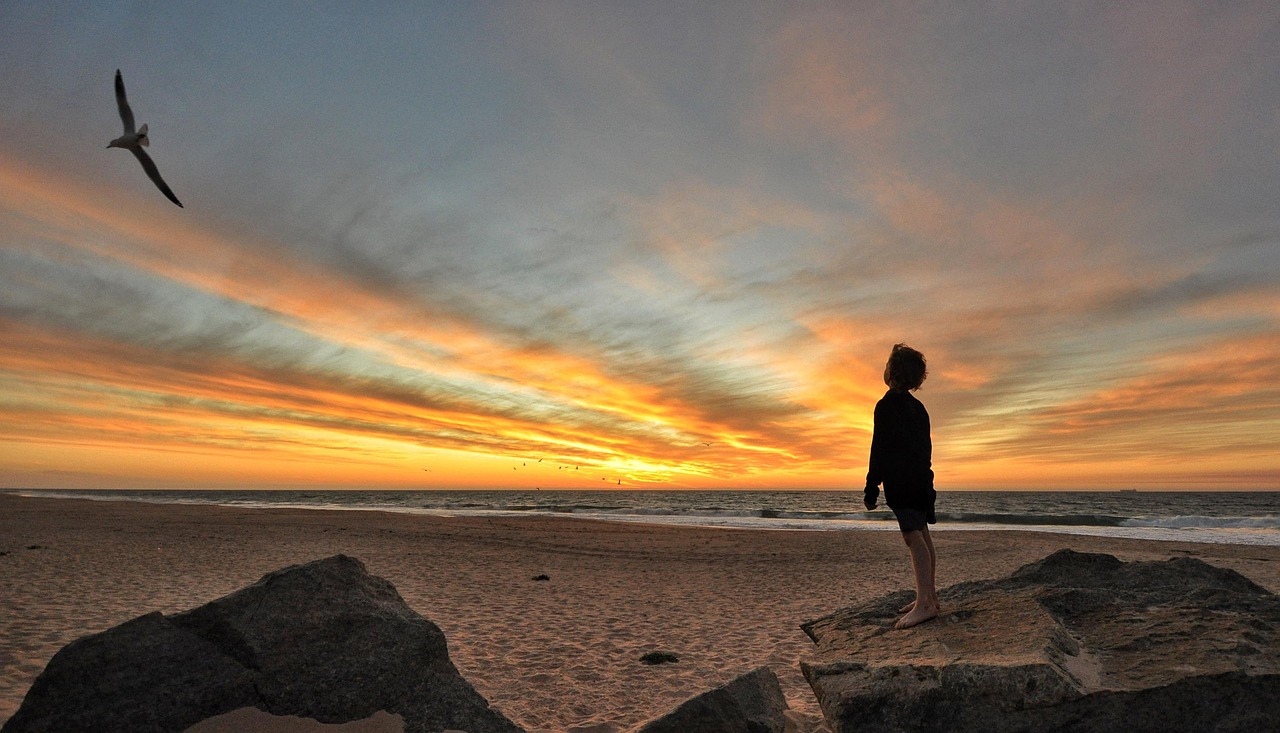
Imagine standing on a wind-battered cliff, binoculars in hand, as thousands of birds wheel and dive over the surf below. The air vibrates with the calls of gulls, the flapping of wings, and the occasional splash of a diving murre. It’s a reminder of the resilience of nature, the precision of instinct, and the extraordinary journeys that occur far beyond human eyes every day.From the dramatic cliffside views at Cape Meares to the quiet mudflats of Bandon Bay, the Oregon Coast offers a front-row seat to one of nature’s most extraordinary spectacles.