My Steelhead Fishing Adventure on The Siletz River
The rain had already been falling for three straight days when I pointed my truck toward the Siletz River. That steady Oregon drizzle that doesn’t roar or threaten, it just persists, soaking the moss, darkening the gravel bars, and slowly waking the river. Perfect steelhead weather.
The Siletz was up but not blown out, green with just enough color to make a steelhead feel comfortable moving in daylight. Steam curled off the surface in the cold morning air, and the forest felt like it was holding its breath. Somewhere beneath that sliding jade water, fresh winter steelhead were pushing upriver, tight to the bottom, hugging seams, stopping briefly in the soft stuff before charging on.
I pulled on my waders, already damp from the last trip, and took my time rigging. Winter steelhead fishing rewards patience, and rushing only leads to mistakes. I tied on a float setup first, a balanced jig in a muted winter color, something natural that would show up in green water without screaming. Just enough weight below it to get down fast but still drift naturally.
The first run I stepped into was classic Siletz water. A long walking-speed glide tapering into a deeper bucket, with faster current pushing along the far bank. Steelhead love these spots, especially when the river is rising. They slide into the softer inside lanes to rest, then move again when the flow feels right.
My first few drifts were about dialing it in. I mended constantly, keeping the float vertical, watching for any unnatural movement. In winter, bites aren’t always violent. Sometimes it’s just a hesitation. Sometimes the float tips sideways like it hit a leaf. Every drift matters.
Nothing happened at first. And that was fine.
Steelheading is as much about reading water as it is fishing it. I paid attention to where my float sped up, where it slowed, where it just barely ticked bottom. If I wasn’t occasionally brushing gravel, I knew I was too high. If I was hanging up every drift, I took off a split shot. Small adjustments, made slowly, deliberately.
After covering the run with the float, I switched gears.
I broke down the float rod and grabbed my drift setup. A simple leader, pencil lead adjusted for depth, and a small cluster of cured roe. Winter steelhead on the Siletz see a lot of gear, but they rarely ignore a well-presented bait bouncing naturally along the bottom.
The key is controlled contact. I cast slightly upstream, followed the drift with my rod tip, and let the weight tap-tap along the gravel. Not dragging. Not lifting too much. Just enough tension to feel what’s happening without interfering with the drift. Every tap could be bottom. Or it could be a steelhead inhaling the bait.
On the third drift through the tailout, the taps stopped.
That’s when I lifted.
The rod buried deep and the river came alive. The steelhead exploded downstream, ripping line and throwing spray, silver sides flashing beneath the surface. It cartwheeled once, then twice, using the heavy winter flow like a weapon. My heart was pounding so hard I could feel it in my throat.
I stayed calm, kept steady pressure, let the fish run when it needed to. Winter steelhead are strong, but they’re also fresh. You don’t rush them. You let them tell you when they’re ready.
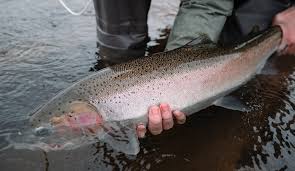
When that fish finally rolled near the bank, thick and chrome-bright, it felt like a small miracle. I eased it into the shallows, admired it for a moment, then watched it surge back into the green water, disappearing like it had never existed at all.
I moved upriver after that, hitting smaller pockets and seams, switching back to the float when the water slowed. In tighter spots, I downsized my jig and lengthened my leader, letting it hang just above the bottom. In faster chutes, I added weight and shortened the drift, focusing on travel lanes rather than holding water.
That’s the beauty of the Siletz in winter. It rewards versatility. Float fishing, drift fishing, reading subtle water changes as the river rises and falls throughout the day. One hour you’re fishing soft inside seams. The next, you’re probing deep slots where steelhead pause before charging upstream.
By afternoon, the rain picked up again, fat drops dimpling the river’s surface. My gloves were soaked. My knees ached. And I couldn’t stop smiling.
I made one last pass through a deep bend, float drifting perfectly along a shadowy seam near the bank. Halfway through the drift, it disappeared without warning. I set hard, and the rod bucked back in response.
Another steelhead. Another surge of adrenaline. Another reminder of why winter steelheading is addictive in a way nothing else is.
By the time I headed back to the truck, soaked, cold, and exhausted, the Siletz had risen another inch. Somewhere upstream, more fish were slipping in under cover of rain and fading light. I knew I’d be back soon, chasing that feeling again.
Because winter steelhead fishing on the Siletz River is embracing the weather, and trusting your technique when conditions are tough. It’s about long drifts, cold hands, and sudden moments of chaos that make it all worth it.