Newport, Oregon’s Fishing History
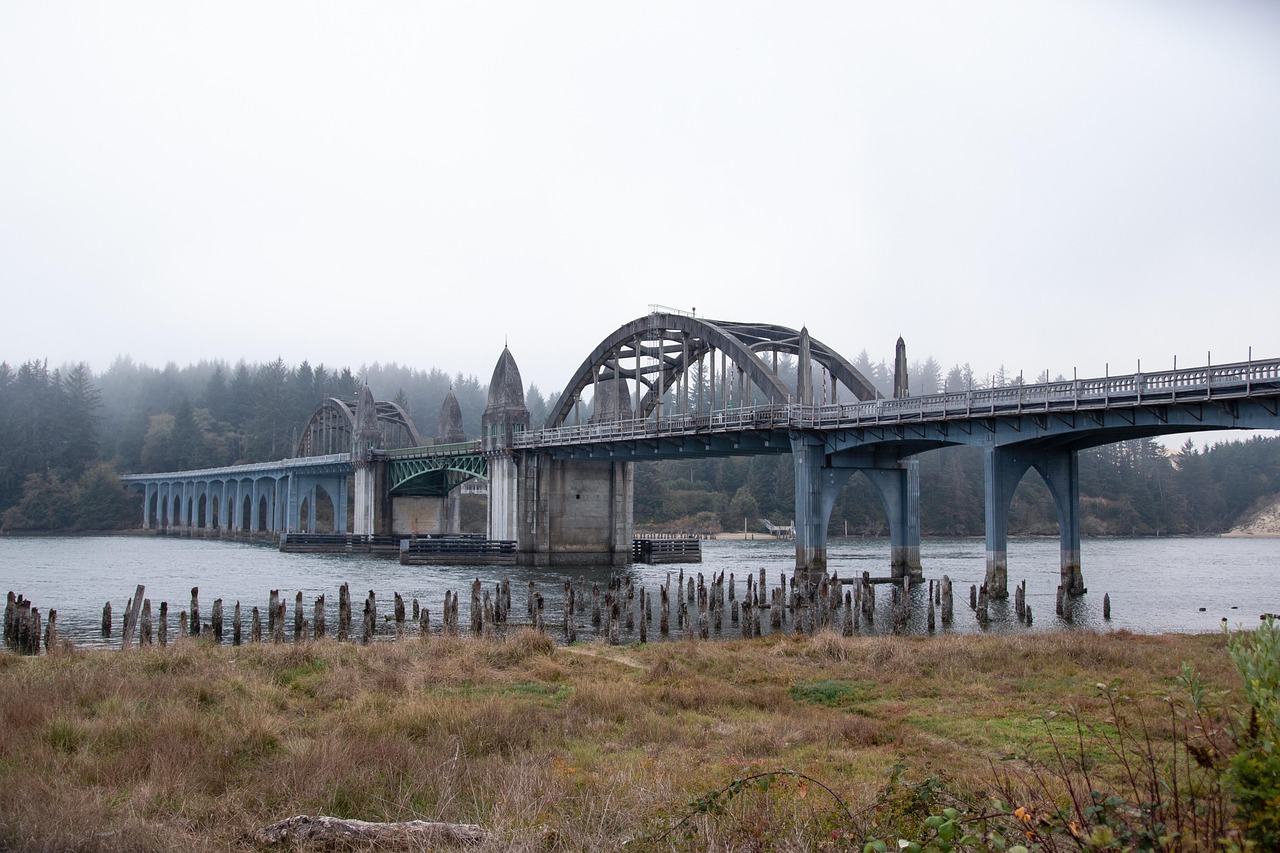
Newport, Oregon’s fishing history runs as deep as the waters of Yaquina Bay. From the earliest Indigenous harvests to today’s thriving commercial and sportfishing industries, Newport has long been a town defined by its connection to the sea. Its story is one of adaptation, resilience, and a community built around the rhythm of tides and the bounty of the Pacific Ocean.
Indigenous Roots: The Original Stewards of the Sea
Long before European settlers arrived, the Yaquina people and other coastal tribes lived in harmony with the waters surrounding present-day Newport. Salmon runs along the Yaquina and nearby rivers provided a reliable food source, while estuarine and nearshore waters teemed with shellfish, halibut, and other fish. Fishing practices were highly sustainable: woven nets, stone and bone hooks, and carefully timed weirs ensured the fish populations remained healthy.
The Indigenous communities also had rich cultural practices tied to fishing. Seasonal migrations, ceremonial salmon harvests, and shellfish gathering traditions fostered deep knowledge of the local ecosystems. These practices, passed down for generations, laid the foundation for Newport’s enduring identity as a fishing hub.
Settlers and the Birth of a Fishing Port
The mid-1800s brought European-American settlers to the central Oregon coast. Recognizing the natural harbor of Yaquina Bay, they established Newport officially in 1882. Fishing quickly became a cornerstone of the local economy. Early settlers relied on small wooden boats to harvest salmon, halibut, cod, and shellfish, often launching directly from the sandy beaches or the rudimentary docks that dotted the bay.
Canneries soon appeared along the waterfront, processing the day’s catch for local consumption and shipping to markets across the United States. Fishing in this era was hard and dangerous. Men faced unpredictable weather, treacherous waves, and the physical toll of hauling nets and lines, but the promise of abundant seafood made the effort worthwhile. Many of Newport’s founding families traced their livelihoods and community identity back to these early fishing endeavors.
Salmon and the Golden Era
Salmon fishing defined Newport through the late 19th and early 20th centuries. The Yaquina River and nearby coastal streams supported robust salmon runs, which attracted both commercial and subsistence fishers. Gillnets, fish traps, and trollers crowded the waterways during peak seasons.
Canneries were not just workplaces—they were the social and economic heart of the town. Entire families often worked in tandem: men fished while women and children processed the catch. Salmon not only sustained Newport economically but also culturally, shaping festivals, local cuisine, and even the town’s identity.
However, this “golden era” of salmon came with consequences. Overfishing, changes in river ecosystems, and habitat loss upstream eventually reduced salmon populations, forcing the community to adapt.
The Rise of Crab and Groundfish
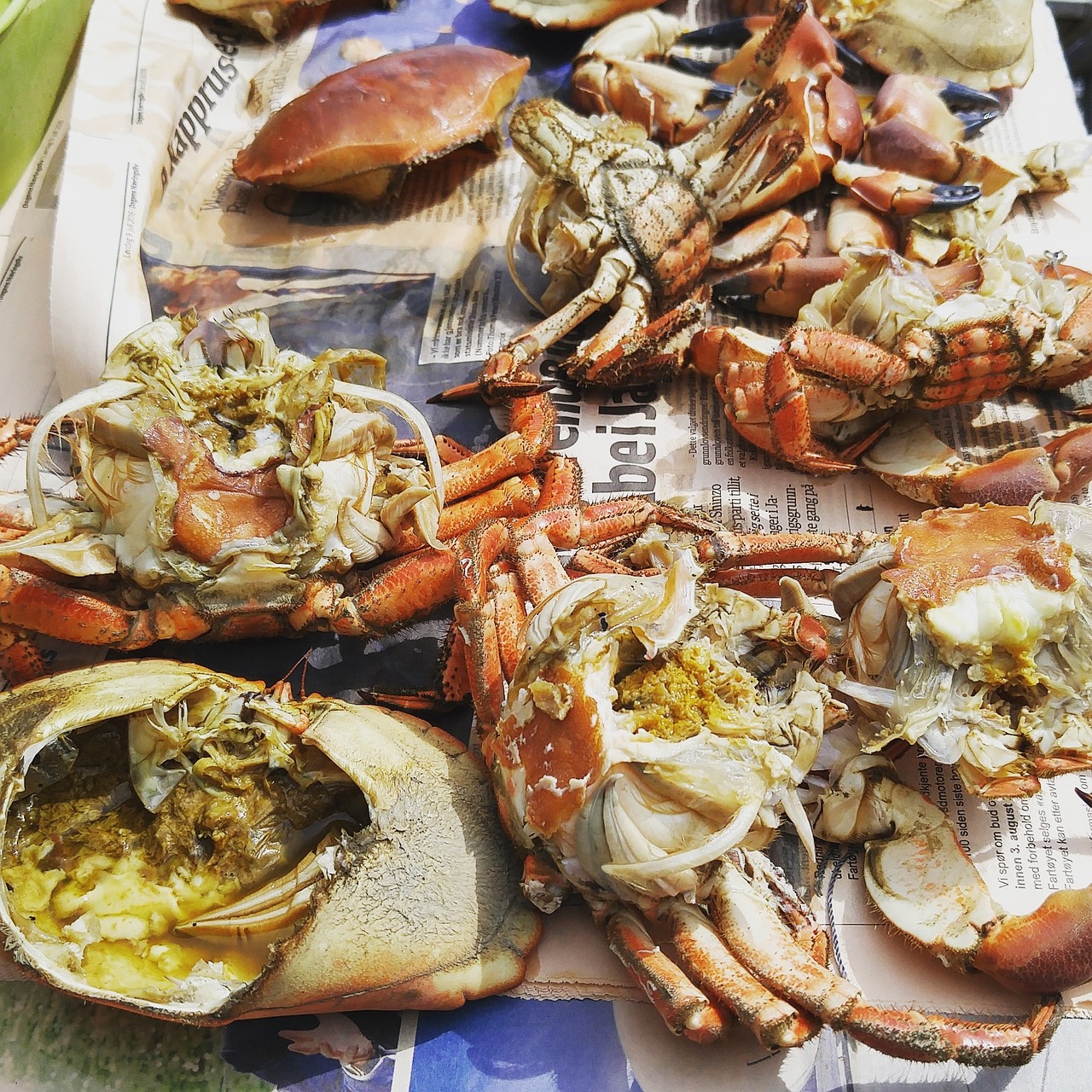
As salmon declined mid-century, Dungeness crab emerged as Newport’s new economic anchor. Crab became so important that it shaped the town’s fleet, with boats specifically designed for crab pots and the heavy work of hauling them from the bay. Groundfish species, including lingcod, black rockfish, and Pacific whiting, also gained prominence.
Fishermen became highly versatile, adapting gear and techniques to suit the changing ocean environment. Newport’s reputation grew as a resilient fishing community capable of evolving with both environmental challenges and market demands.
Science, Sustainability, and Regulation
The mid-20th century brought another transformation: research and regulation. With the establishment of marine research facilities, most notably the Hatfield Marine Science Center in the 1960s, Newport became a hub for marine science. Scientists, regulators, and fishermen collaborated to better understand fish populations and develop sustainable practices.
Stricter regulations, including limited-entry permits, catch quotas, and seasonal closures, reshaped the commercial fishing landscape. These measures were often contentious, but they helped stabilize fisheries and protect resources for future generations. Newport fishermen played an active role in research, participating in studies and pilot programs that bridged traditional knowledge with scientific methods.
Sportfishing and Tourism
Parallel to the commercial industry, Newport developed a thriving sportfishing scene. Charter boats began taking visitors on trips for salmon, halibut, tuna, and bottomfish. Sportfishing became an economic driver in its own right, attracting tourists from across the Pacific Northwest and beyond.
Events such as dockside fish markets, seafood festivals, and the annual Blessing of the Fleet celebrate both commercial and recreational fishing traditions. These festivals honor Newport’s heritage while introducing new generations to the city’s maritime culture.
Modern Newport: A Living Fishing Town
Today, Newport remains one of Oregon’s most important fishing ports. Its commercial fleet lands crab, groundfish, albacore tuna, and salmon, while research vessels share the harbor with working boats. The city has balanced tradition with innovation, blending heritage with sustainability initiatives and marine science.
The story of Newport’s fishing history is ongoing. Every boat leaving the harbor carries generations of knowledge, shaped by changing oceans but anchored in the same waters that first drew people here. From Indigenous stewardship to modern sustainability efforts, Newport exemplifies the enduring bond between a coastal community and the sea.
Stroll along the docks, visit a fish market and set out on a charter boat, Newport’s fishing history is very much alive in every net cast and every wave that laps the shore—a testament to a town that has lived by the sea for generations.