Salmon River Winter Steelhead Fishing Report 2026–2027: Early Season Outlook
November 3, 2026
The first heavy rains of November are beginning to signal another winter steelhead season along the Oregon Coast, and the Salmon River near Lincoln City is one of those smaller coastal fisheries worth keeping an eye on. With cooler temperatures, rising river levels, and the transition from fall salmon fishing into winter steelhead season, anglers are beginning to look ahead to the first winter runs.
The early winter outlook is cautious, with fishing opportunities expected to depend heavily on rainfall, river conditions, and the arrival of returning steelhead. November is generally a transitional month, and the more dependable winter steelhead opportunities on Oregon's north-central coast typically develop later in the season.
Early Winter Steelhead Outlook: November Through December
The biggest factor influencing the Salmon River's early winter steelhead season will be the timing and intensity of Pacific storms. Unlike larger river systems that can remain muddy for extended periods, the Salmon River can recover relatively quickly after heavy rainfall, creating short windows of excellent-looking fishing water.
During November, steelhead numbers are generally expected to be limited. The first winter fish may begin appearing as river flows increase, but anglers should not expect consistent action this early. December typically offers a better opportunity as additional storms help push migrating fish upstream.
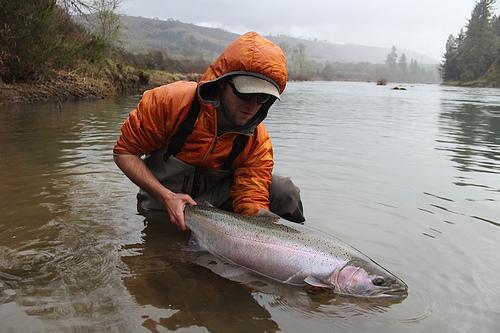
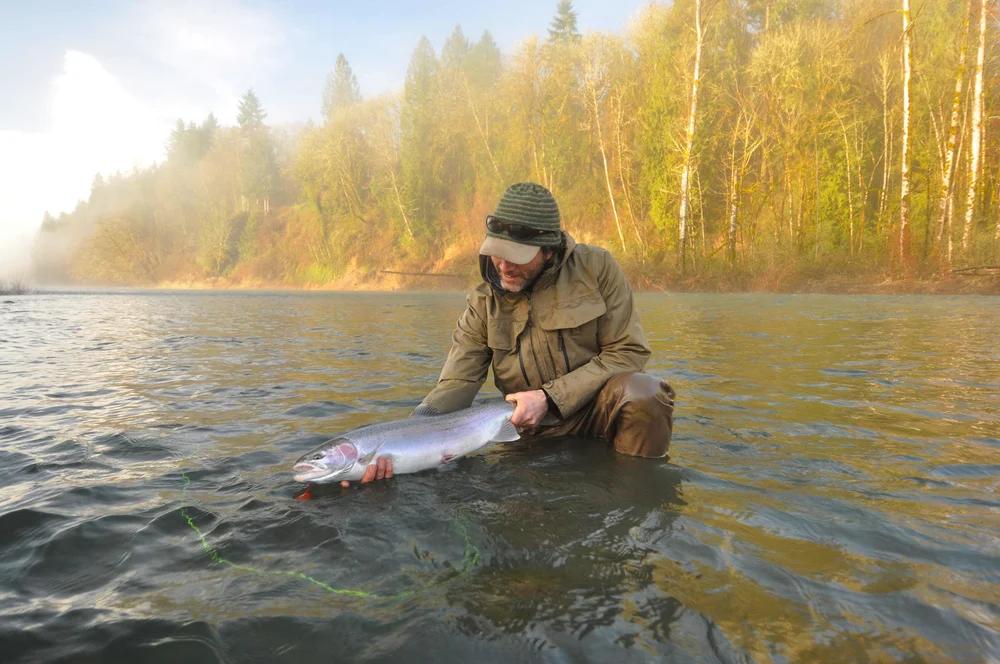
The outlook becomes more encouraging heading into January, February, and March, when wild winter steelhead become a more important part of the fishery. ODFW has specifically identified the Salmon River as a wild steelhead angling opportunity during the winter season.
Projected fishing opportunities
November Slow: early arrivals possible
December Fair: potential as winter flows develop
January Improving: seasonal opportunity
February- March: Prime period to target wild steelhead
Salmon River Water Conditions: What Anglers Should Watch
If there's one thing that can make or break a winter steelhead trip on the Salmon River, it's the water. The river responds to rainfall coming off the Coast Range, and its smaller size means conditions can change quickly.
The ideal situation is a moderate rainstorm that brings the river up enough to encourage fish movement, followed by a day or two of improving weather. As the water drops and begins clearing, steelhead often become easier to target.
Anglers should pay close attention to three conditions:
- Low and clear water: Steelhead can become cautious, making smaller presentations and lighter leaders more effective.
- Rising water: Increasing flows can encourage fresh fish to move upstream, although rapidly deteriorating clarity can make fishing difficult.
- Dropping, green-tinted water: Often the best opportunity to target steelhead holding in deeper runs and pools.
One advantage of the Salmon River is that it can clear relatively quickly following a storm. ODFW has previously highlighted this characteristic, making it worth considering when neighboring rivers remain high and muddy.
Where to Target Winter Steelhead on the Salmon River
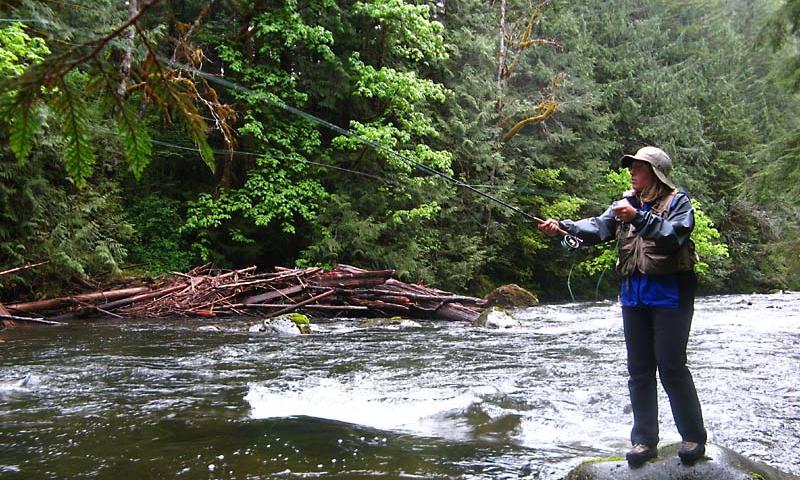
The Salmon River runs through a beautiful stretch of coastal rainforest before entering the Pacific near Cascade Head. Much of the fishing opportunity is associated with the lower and middle river, where anglers can find a combination of deeper holding water, gravel runs, and current seams.
Lower Salmon River: The lower reaches can be worth watching after the first significant winter rains. Fresh fish entering the system may travel through these sections as flows increase. Look for deeper traveling lanes, slower water near current breaks, and places where fish can rest while moving upstream.
Knight Park Area: Knight Park provides a useful landmark near the lower river and estuary. Anglers should scout legal fishing access upstream and downstream while paying attention to the boundaries separating the river's regulated sections. Tidal influence and changing water conditions can affect how these areas fish.
Middle Salmon River: Farther upstream, look for longer runs with moderate current, deeper tailouts, and pools offering protection from stronger flows. These areas may become more productive as winter progresses and additional steelhead move through the system.
Public access is more limited in some lower stretches, so anglers should verify property boundaries and designated access before fishing.
Best Steelhead Fishing Techniques for Early Winter
For anglers planning to fish the Salmon River during November and December, keeping things simple is usually the best approach. The river's smaller size makes it well suited to carefully presented lures, jigs, and drift-fishing setups where permitted.
Float Fishing with Jigs
Float fishing is a great option for slower pools and moderate-current runs. A 1/8-ounce jig in pink, peach, or black can be effective. Adjust the float so the jig travels just above the riverbed without constantly snagging.
Casting Spinners and Spoons
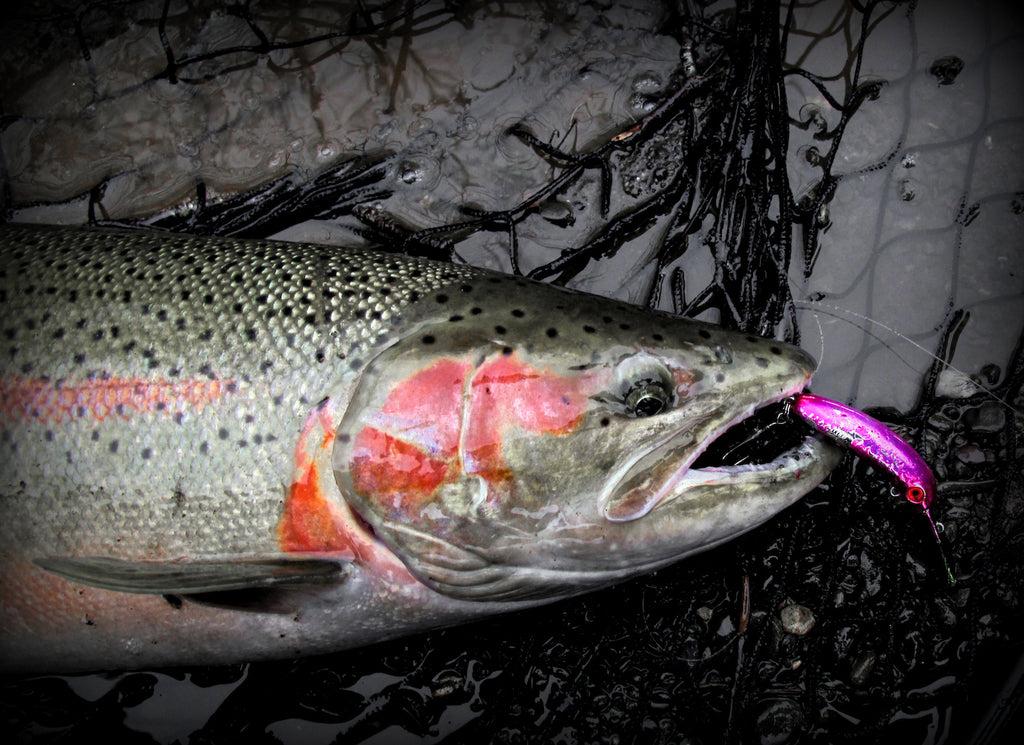
Small spinners and spoons are useful for covering water when fish are scattered. Silver, brass, and pink-accented patterns are popular choices. Work the lure slowly enough to maintain action without dragging bottom.
Drift Fishing
Where regulations permit, drift fishing with small buoyant presentations can be productive along gravel runs and current seams. Use just enough weight to occasionally contact the bottom while allowing the presentation to move naturally downstream.
During low, clear conditions, downsizing tackle and making longer casts can help avoid spooking fish. When water becomes higher and more colored, slightly larger presentations may be easier for steelhead to locate.
Salmon River Steelhead Fishing Regulations for 2026
The Salmon River is somewhat unusual among Oregon coastal fisheries because it provides a regulated opportunity to retain a limited number of wild steelhead.
According to the published 2026 Oregon Northwest Zone regulations:
- Steelhead fishing is open in designated sections January 1–March 31 and August 1–December 31.
- The wild steelhead retention limit is one per day and three per year.
- Hatchery steelhead may also be retained under applicable regulations.
- Additional restrictions apply to specific river sections, gear, and other species.
These rules apply to designated open sections, not automatically to every tributary or upstream reach. Always confirm current restrictions and emergency changes before fishing.
For updated regulations, visit the ODFW Fishing Regulation Updates.
November will likely be more about watching rainfall, checking river conditions, and scouting promising water than expecting consistent catches. As December approaches, the first stronger winter flows could create better opportunities for steelhead to enter the system. The more promising period should arrive after the new year, with January through March offering the greatest seasonal potential for anglers targeting wild winter steelhead.
For now, the best strategy is to watch the weather, pay attention to river clarity, and be ready to fish when conditions improve. A smaller coastal river can go from nearly unfishable to excellent-looking steelhead water surprisingly quickly. The River's early winter steelhead outlook is promising enough to keep it on the radar, but November should be considered an early-season scouting period rather than a peak fishing opportunity.