Columbia River Early Winter Steelhead Fishing Report – November-December Outlook 2026
As November settles over the Pacific Northwest, the Columbia River begins transitioning from the busy fall salmon season into the colder, quieter months of winter steelhead fishing. The mornings are getting colder, the rain is picking up, and anglers are starting to shift their attention toward one of Oregon's most sought-after winter game fish.
For anglers fishing the Columbia River, early November is generally more of a preparation period than the peak of winter steelhead season. While steelhead can be present in the Columbia throughout different parts of the year, the winter-run fish that anglers are looking for typically become more prominent in tributaries as November progresses into December and January.
The key to success right now is understanding where these fish are likely to travel, how changing river conditions affect their movement, and which tributaries offer the best opportunities as the season develops.
Early November Steelhead Conditions
The Columbia River is a massive system, and fishing conditions can vary considerably between the lower river near Astoria and the stretches farther upstream toward Portland and Bonneville Dam.
During early November, rainfall and cooler water temperatures begin changing the fishing picture. Rising tributaries can encourage returning winter steelhead to move upstream, especially when river levels increase after the first significant fall storms.
The lower Columbia remains an important migration corridor, but anglers specifically targeting winter steelhead often have better opportunities by concentrating on tributaries rather than fishing the mainstem.
A few things worth watching this month include water clarity, rainfall totals, tributary discharge, and the timing of incoming tides in the lower river. Steelhead often travel more confidently when rivers carry a little extra water and have that familiar green tint anglers love to see.
Where to Fish for Early Winter Steelhead
Lower Columbia River – Astoria to St. Helens
The lower Columbia is where migrating steelhead first enter the river system from the Pacific Ocean. Although catching winter steelhead in the mainstem can be challenging, anglers fishing around current breaks, shoreline structure, and areas near tributary mouths may encounter passing fish.
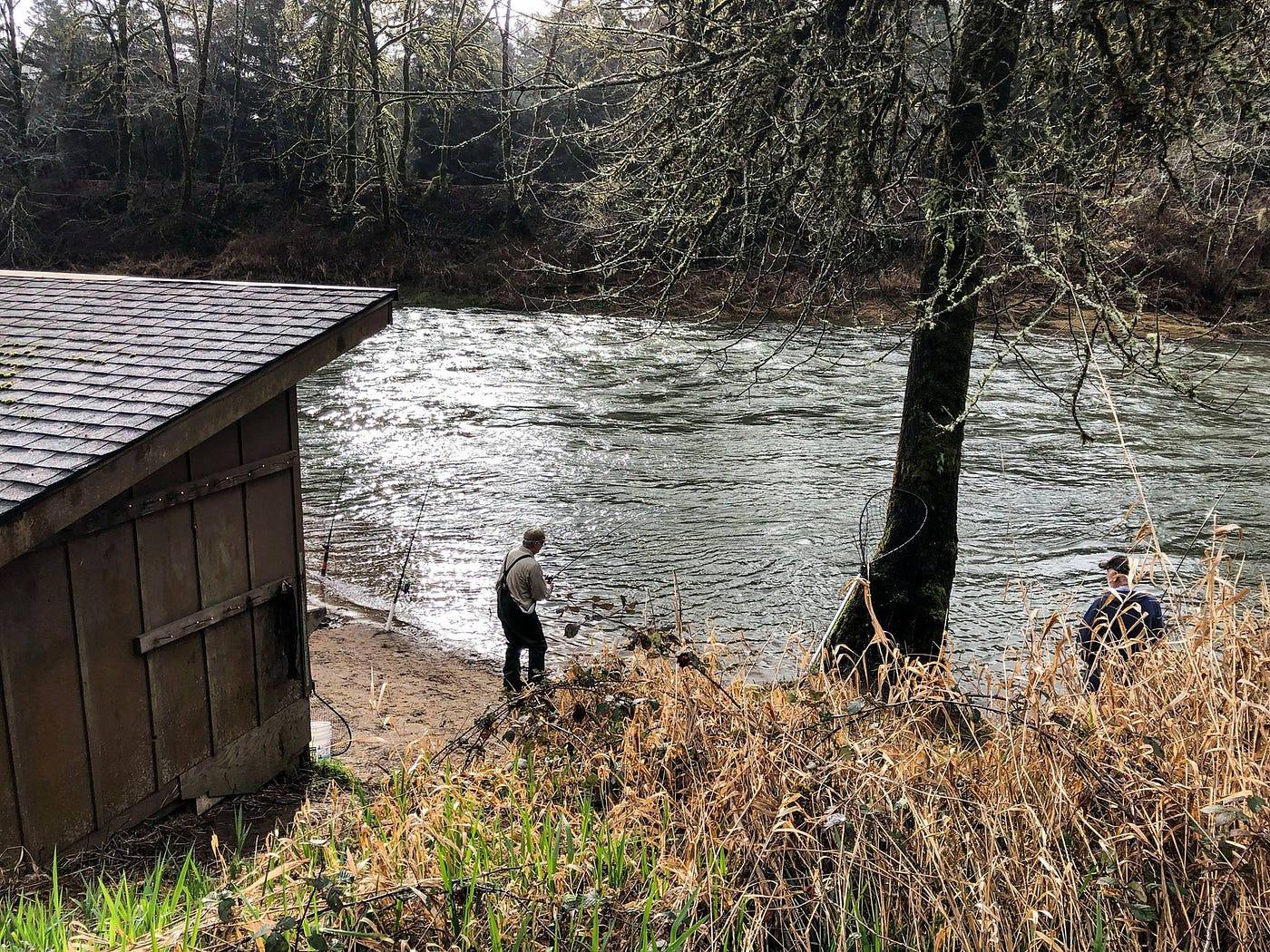
For bank anglers, fishing protected shoreline areas with slower current can be more manageable than trying to cover the Columbia's powerful main channel. Plunking with Spin-N-Glos or other buoyant presentations is a traditional approach worth considering where regulations and conditions permit.
Sandy River – Near Troutdale
The Sandy River is one of the better-known winter steelhead destinations connected to the Columbia River system. It offers opportunities for bank anglers and drift boat fishermen, particularly as winter progresses.
The lower Sandy near Lewis and Clark State Recreation Site and Oxbow Regional Park farther upstream are familiar starting points for anglers scouting the river.
Early November is still on the front edge of the season. The more dependable fishing generally develops later in the winter, with December and January offering better opportunities as fish begin moving into the system.
Clackamas River – Near Oregon City
The Clackamas River, which enters the Willamette before reaching the Columbia, is another important winter steelhead destination in the greater Columbia Basin.
Popular fishing areas include stretches near Barton, Carver, and Riverside Park. The Clackamas can fish particularly well when water levels are dropping after a storm and visibility begins improving.
Like the Sandy, early November is generally ahead of the stronger winter steelhead returns, so patience is important.
Best Techniques for Early Winter Steelhead
For anglers hoping to connect with an early fish, three approaches are worth keeping ready.
Float fishing with jigs or beads is an excellent option in tributaries where steelhead travel along defined current seams. Pink, peach, orange, and natural-colored presentations are popular choices. Adjusting the depth so the offering travels near the bottom without constantly hanging up is often more important than the exact color.
Drift fishing can be productive in faster water, especially along gravel transitions, deeper slots, and the tailouts of larger pools. Beads and other legal artificial presentations can be effective when fished naturally with the current.
Plunking is worth considering along the lower Columbia and in appropriate tributary locations when water levels are elevated. Heavier sinkers, Spin-N-Glos, and strategically placed bank rods allow anglers to intercept fish moving upstream.
During colder conditions, slowing down the presentation and thoroughly fishing promising water can make a difference.
What to Expect Through November and December
The biggest factor influencing early winter steelhead fishing will be rainfall. A series of storms can bring rivers up quickly, temporarily reducing visibility and making fishing difficult. Once the water begins dropping and clearing, conditions can improve significantly.
On the Columbia itself, current speed, tides, and changing water levels add another layer of complexity. Anglers fishing near the lower river should pay particular attention to tidal movement and avoid exposed shoreline areas during rapidly changing conditions.
November is typically a month of scattered early opportunities. As December approaches, anglers can begin watching for more consistent winter steelhead movement into the Sandy, Clackamas, and other lower Columbia tributaries.
This is a seasonal outlook rather than a verified November 2 catch report; current catch rates and river visibility have not been confirmed.
Columbia River Steelhead Regulations – November 2026
According to the Oregon Department of Fish and Wildlife's published 2026 Columbia River regulations:
- Below The Dalles Dam: Hatchery steelhead retention reopened November 1, with a daily adult limit of two eligible salmon/steelhead in aggregate. Specific coho rules vary by area.
- Above The Dalles Dam: All steelhead must be released through December 31.
- Wild steelhead: Must be released unharmed. Check the applicable rules for legal retention and handling.
- Tributaries: Separate regulations, seasonal closures, and gear restrictions may apply.
ODFW also forecast poor upriver summer steelhead returns for 2026, prompting conservative fishing regulations. This summer-run forecast should not be interpreted as a forecast for winter steelhead abundance.
Always verify the latest ODFW fishing regulation updates before heading out.
For anglers targeting early winter steelhead on the Columbia River in November 2026, the season is just getting started. The mainstem offers opportunities to intercept migrating fish, but the lower Columbia tributaries will likely become the bigger attraction as winter approaches.
Right now, the best approach is to watch the weather, keep an eye on river levels, and prepare for those first promising stretches of green water following a good November rain.
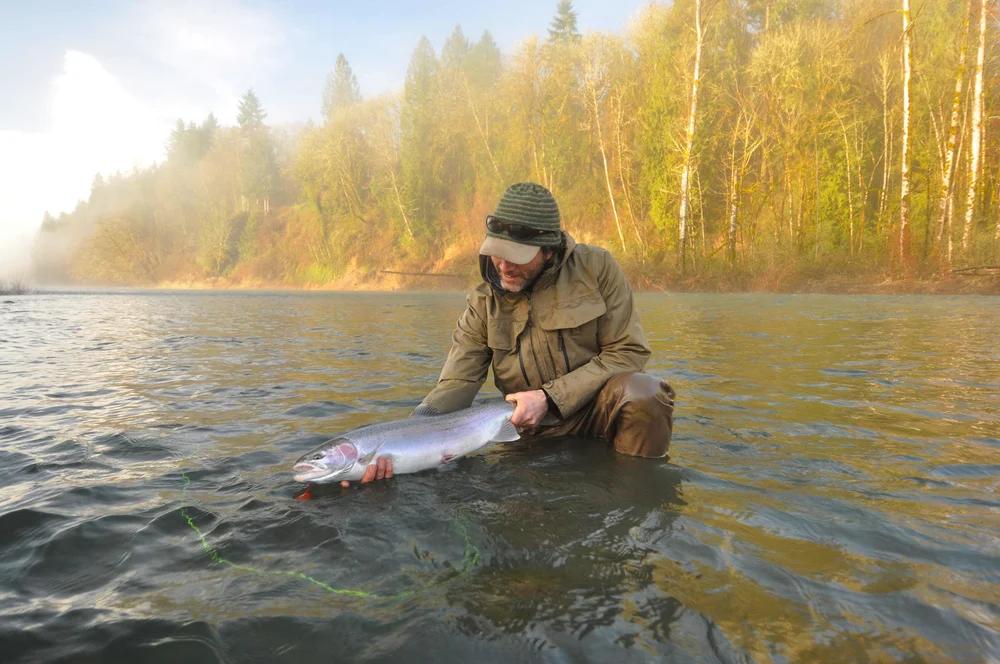
The fish may be few and far between this early in the season, but it only takes one fresh winter steelhead to make a cold day on the river worth remembering.