Spring Chinook on the Move: Following the Run from the Coast into the Willamette River
Every spring in Oregon, something electric happens in the river. Fresh Chinook that have spent years in the ocean begin pushing inland, trading saltwater for current, tide influence for river seams, and open water for a determined upstream climb. For anglers, it is one of the most anticipated fisheries of the year. For the fish, it is a hard, instinct-driven migration that starts in the ocean, passes the Columbia, and continues into the Willamette system toward tributaries and hatchery return points farther upriver. Spring-run Chinook typically begin migrating inland in April through July, with peak migration often in May, and Willamette fish are counted as they pass Willamette Falls on their way upstream.
What makes Willamette spring Chinook so compelling is that they are not lazy travelers. These fish enter freshwater still bright and powerful, often carrying that chrome look anglers dream about. NOAA notes that spring-run Chinook begin their freshwater migration months before spawning, and NOAA Fisheries also notes that Willamette Chinook evolved migration timing that let them pass Willamette Falls when the river was full enough to make that climb possible. That timing matters to anglers, because fish behavior changes as they move from the lower river into upriver travel lanes and eventually toward holding water closer to tributary destinations.
When spring Chinook show up in the Willamette
In broad terms, lower Willamette spring Chinook fishing builds in spring, then slides later into the season as fish continue upriver. ODFW says spring Chinook begin arriving in the Sandy and Clackamas as early as April, with fishing continuing into June or July, while in the upper Willamette Valley, including places tied to the McKenzie and Santiam, spring Chinook is more of a June and July fishery. Current ODFW Willamette Zone reports also show lower-river success improving in early to mid-May, with productive fishing reported below St. Johns Bridge, in Multnomah Channel, and around the head of the channel.
So, for most anglers, the best time to go depends on where they want to fish. If you want the lower Willamette around Portland and the tide-influenced reaches, late April through May is the classic window. If you are targeting fish farther upriver in upper Willamette tributary-influenced sections, June into July is usually the better bet. Fish counts at Willamette Falls and ODFW’s own seasonal guidance both line up with that pattern: fish are moving in spring, peaking through the lower system first, then filtering farther upstream as the season develops.
How these fish behave in the river
Spring Chinook are migrators first and biters second. Early in the run, they are usually traveling, not hanging around for long unless water conditions, temperature, flow, or holding structure slow them down. They often move along current seams, travel lanes, softer edges beside heavier current, and deeper transitional water where they can conserve energy while still making upstream progress. As they approach bottlenecks, confluences, and major structure changes, fish may stack briefly, which is why some stretches suddenly turn on and then cool off just as fast. NOAA’s descriptions of spring migration timing, along with ODFW and fish-count tracking at Willamette Falls, support that idea of a staged, moving fishery rather than a static one.
They also react to river conditions in ways anglers notice fast. Higher, cooler spring flows can help fish travel and can improve passage conditions at places like Willamette Falls, while sudden changes in flow or visibility can reposition them. In lower-river reaches, anglers often key in on travel corridors where fish push inland on the move; farther upriver, fish can become more location-oriented as they near tributaries and hatchery return areas. NOAA specifically notes the importance of access to cold, clean upstream habitat for Willamette Chinook, which helps explain why these fish keep moving rather than settling early.
Best fishing tips for Willamette spring Chinook
The first tip is simple: fish where the migration is, not where it was last week. Spring Chinook are famous for making anglers feel late. ODFW’s weekly Willamette Zone reports are useful because productive areas can shift with the run, and those reports have recently highlighted lower-river areas like below St. Johns Bridge, Multnomah Channel, and the head of channel when the bite improved. Checking fresh in-season reports before you go can save a whole day of blind fishing.
The second tip is to focus on travel water. In salmon rivers, ODFW’s general guidance points anglers toward deeper pools and proven salmon techniques such as bobber and bait, backbouncing, or backtrolling, because salmon often hold or travel through deeper, softer water rather than burning energy in heavy current. On the Willamette, that translates into targeting deeper lanes near structure breaks, channel edges, confluences, and softer current seams where moving fish can slide upriver efficiently.
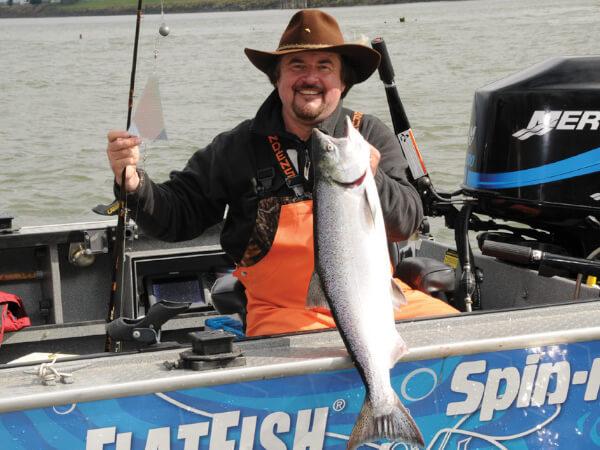
A third tip is to match your approach to the section of river. In lower, broader water, boat anglers often cover water to intercept traveling fish, while bank anglers do better when they identify funnels, access points near migration lanes, and places with enough depth for salmon to travel close. ODFW’s Portland-area access guide notes that Willamette Park offers bank fishing access on the river and advises going early to avoid boating and recreation crowding, which is especially smart during spring salmon season.
Practical gear and presentation advice
For gear, most spring Chinook anglers lean toward a medium-heavy to heavy salmon rod with enough backbone for strong current and large fish, a reel with a smooth drag, and mainline and leader setups sturdy enough for a hard-running Chinook in moving water. Exact legal methods, hook rules, and retention seasons can change in-season, so ODFW says anglers should always check current regulations and updates before fishing Willamette-zone salmon and steelhead fisheries.
As for presentation, the big idea is less about magic tackle and more about putting your offering in front of traveling fish consistently. Salmon anglers in Oregon commonly use bait, plugs, spinners, or other moving presentations depending on section, flow, and current regulations, and ODFW’s salmon guidance for river systems highlights methods like bobber-and-bait, backbouncing, and backtrolling as reliable salmon approaches. In practical terms, that means you want a presentation that tracks cleanly through the lane you believe fish are using, stays visible without looking ridiculous in the water, and can be repeated over and over through productive depth.
Best times of day and river conditions
Early morning is rarely a bad bet, mostly because boat traffic is lighter, bank spots are easier to claim, and fish often travel well in lower-light periods. But on the Willamette, water condition and fish movement usually matter more than romantic sunrise theory. A day with fish actively moving through your section can outfish a prettier-looking day with no push of salmon. That is one reason in-season counts, zone reports, and regulation notices matter so much in this fishery.
Cooler water and steady spring flows are generally your friend. NOAA notes that Willamette Chinook historically depended on river conditions that supported passage into upriver habitat, and fish passage information at Willamette Falls exists precisely because movement through the system is such a critical part of the run. When flows are favorable and the migration is building, fish can move fast; when conditions slow them, anglers sometimes get a brief window where concentrations improve in reachable water.
A good way to plan your trip
A smart plan is to treat the season in phases. In late April and May, think lower Willamette and nearby migration water where fresh fish first show well. In June and into July, start thinking about upper Willamette opportunities and tributary-related fisheries, where ODFW says spring Chinook becomes more of a summer sport. Watch weekly reports, monitor any in-season regulation changes, and be willing to move with the run instead of locking yourself into one ramp or one bank spot.
There is a reason spring Chinook season gets under people’s skin. These fish come in bright, hard-muscled, and restless, fresh from the Pacific and driven by a route that has been written into them for generations. On the Willamette, that story plays out in real time every spring: chrome fish nosing into green water, slipping past city edges and current seams, then climbing toward the places they are supposed to go. If you hit the run at the right time, fish moving through active water, and stay flexible enough to follow the migration, the Willamette can give you one of the best spring salmon shots in Oregon. Just make sure you check the latest ODFW regulations and weekly zone report before you launch or hit the bank, because this is a fishery where timing is everything.