Spring Salmon Runs Are Coming: Oregon Coast Rivers, Best Fishing Spots, and Chinook Behavior
There is a certain kind of buzz that hits the Oregon Coast in spring. The rain is still around, the rivers still carry that cold mountain push, and the first real signs of salmon season begin creeping into conversations at boat ramps, tackle shops, docks, and gravel pullouts. For many anglers, spring means one thing: Chinook salmon are on the move.
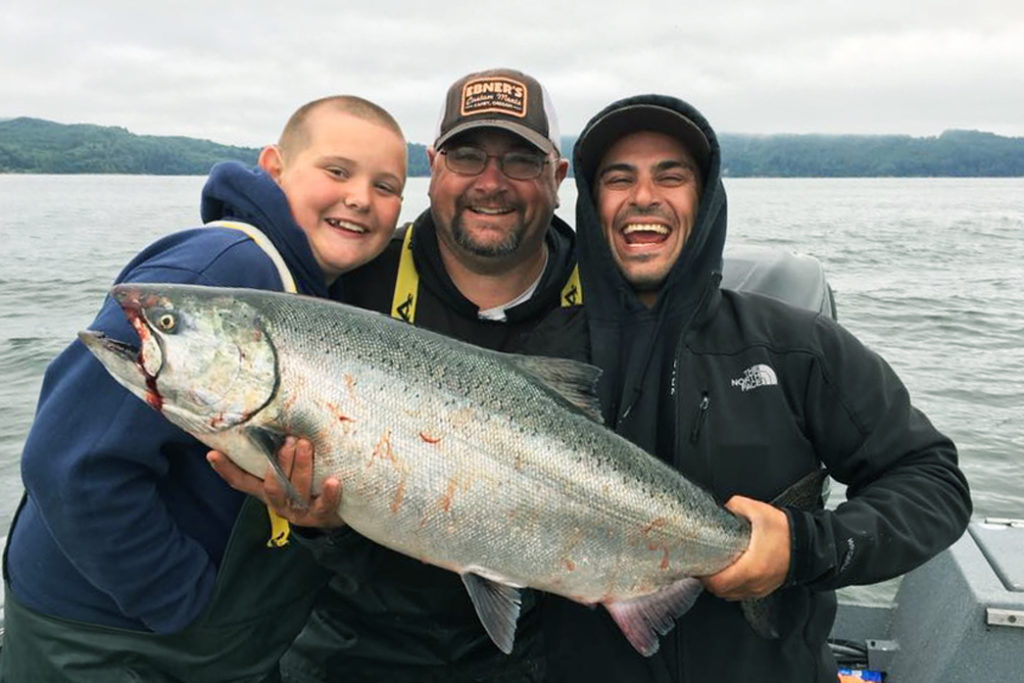
Spring Chinook are some of the most prized salmon in Oregon. They are bright, powerful, ocean-fresh fish that return from the Pacific carrying heavy shoulders, silver sides, and rich meat. They enter rivers months before spawning, which makes them different from fall Chinook. These fish are not always easy to catch, but that is part of what makes them so special. You do not just show up and stumble into spring salmon. You watch the river, study the tide, pay attention to water color, and put your time in.
What Makes Spring Chinook Special?
Spring Chinook are early-returning salmon that push into freshwater during spring and early summer. Unlike fall Chinook, which often move upriver closer to spawning time, spring Chinook enter river systems earlier and hold for a long period before spawning later in the year.
That means these fish are still strong, bright, and full of ocean energy when they arrive. They are also selective. A springer may travel through tidewater, pause in deeper holes, slide along current seams, and hold near ledges, boulders, soft edges, or the tailouts of pools. They are not feeding the way trout feed, but they will strike out of aggression, instinct, curiosity, or irritation.
Spring Chinook are famous for making anglers humble. One day the river feels alive, rods are bending, and everyone at the ramp has a story. The next day, the same water can feel empty. That is spring salmon fishing on the Oregon Coast: part timing, part patience, part river-reading, and part stubbornness.
When Do Spring Salmon Runs Start on the Oregon Coast?
Spring Chinook timing depends on the river system, rainfall, water temperature, and ocean conditions. In general, Oregon Coast spring salmon opportunities begin building in April and improve through May, June, and sometimes into July depending on the watershed.
On the north and central Oregon Coast, anglers often begin watching systems from Tillamook south toward the Siletz in May and June. Farther south, the Umpqua and Rogue are classic spring Chinook rivers, with fish moving from April through July.
A good rule of thumb is this: after spring rains, watch the hydrograph. When a river rises, colors up, and then begins to drop into fishable shape, spring Chinook may move. They often travel best on improving water conditions, especially when the river has enough flow to invite movement but enough visibility for gear to be seen.
Best Oregon Coast Waterways for Spring Salmon
Tillamook Bay and Rivers
Tillamook is one of the most talked-about salmon areas on the north Oregon Coast. The bay and nearby river systems give anglers a mix of tidewater, lower river, and boat-based opportunity. Spring Chinook can move through the bay and into rivers such as the Trask, Wilson, Kilchis, Miami, and Tillamook.
The Trask River is especially well known for spring Chinook. Anglers often focus on lower river holes, tide-influenced water, and deeper traveling lanes. Boat anglers may troll or anchor with bait, while bank anglers look for accessible drifts and holding water.
Best areas to explore include lower tidewater sections, deeper holes near current breaks, boat launches, and bank access points near public lands. This is a river system where local timing matters. A fresh push of fish can change everything.
Nestucca River
The Nestucca is a beautiful coastal river with spring salmon potential, especially when flows are right. It has a mix of tidewater, lower river access, and classic salmon holding structure. The river can be moody, but it rewards anglers who understand soft seams, deeper slots, and travel lanes.
Spring Chinook in the Nestucca may hold in deeper pools and slower edges after moving on higher water. Bank anglers often look for places where the current slows just enough for salmon to pause. Boat anglers can cover more water and adjust to changing river levels.
This is a good river to fish when the water has dropped into that green, fishy color — not too muddy, not too clear.
Siletz River
The Siletz is one of the central coast’s most important salmon rivers. In spring, anglers start paying close attention as Chinook begin showing in the system. The lower river and tidewater areas can be especially important early, while fish gradually move upriver as the season progresses.
The Siletz has both bank and boat opportunities, though access can vary depending on where you fish. Look for deeper holes, travel lanes, and areas where current pushes along rock, wood, or bends. Spring Chinook will often slide through quickly during good water conditions, then hold in deeper water when flows stabilize.
This river can be a patience game. But when the fish are in, the Siletz has that classic Oregon Coast salmon feel: mist in the trees, green water, and the chance at a bright springer that makes the whole day worth it.
Yaquina River and Bay
The Yaquina River and bay near Newport are open for Chinook during a long season, and spring can bring opportunity for anglers watching the lower river and tidewater areas. This system is especially interesting because it blends bay, tidewater, and river fishing.
In spring, Chinook may stage in lower sections before moving farther upstream. Tides can play a major role. Incoming tide may bring fresh movement, while outgoing tide can concentrate fish along edges, channels, and deeper slots.
The Yaquina is a great place to think like a traveling salmon. These fish are not wandering randomly. They use depth, current, and tide movement like highways.
Alsea River
The Alsea River near Waldport is one of the most scenic coastal salmon systems in Oregon. While many anglers think of the Alsea for fall Chinook and winter steelhead, spring salmon can also draw attention when conditions line up.
The lower river and tidewater sections are the first places to watch. After spring rains, Chinook may move into the river on fresher flows. When water levels drop and visibility improves, anglers often focus on deeper holes, current seams, and slow-moving travel corridors.
The Alsea is also a great river for anglers who enjoy the full coastal experience: forested banks, quiet mornings, tidewater views, and nearby seafood stops after a long day of fishing.
Umpqua River
The Umpqua is one of Oregon’s great spring Chinook rivers. This system has size, history, and serious salmon water. Spring Chinook move into the Umpqua from April through July, and anglers target them in both lower and mainstem sections depending on timing, water levels, and regulations.
The mainstem Umpqua offers long runs, deep holes, current seams, and boat-fishing opportunities. The North Umpqua is also famous for salmon and steelhead, though it has specific rules and traditions that anglers need to respect.
Good spring Chinook water on the Umpqua often means depth near movement lanes. These fish may travel with purpose, then tuck into resting areas where current softens. Plunking, trolling, back-bouncing, and bait presentations can all come into play depending on the section and regulations.
Rogue River
The Rogue River is one of the most legendary salmon rivers in Oregon. Spring Chinook enter the Rogue from the Pacific and push upriver through a powerful, scenic system that stretches from the coast near Gold Beach deep into Southern Oregon.
Lower Rogue springer fishing can be excellent when fish are moving in fresh. Anglers often target the river from boats using bait, plugs, or other salmon presentations. Bank anglers look for access near gravel bars, deeper edges, and slower seams.
The Rogue is a river where temperature matters. As spring becomes summer, salmon may push farther upstream looking for cooler water. Early in the season, lower river action can be strong, while later movement depends on flows, heat, and fish passage.
Best Spots to Fish for Spring Salmon
Spring Chinook can be caught from both bank and boat, but the best spots usually share a few features.
Deep holes are classic holding spots. Springers like places where they can pause without burning too much energy. Look for depth near bends, ledges, rock walls, or the bottom of riffles.
Current seams are another major clue. Salmon often travel where fast and slow water meet. These seams give fish a path upriver while letting them avoid the hardest push of current.
Tidewater can be excellent early in the run. In coastal rivers, spring Chinook often enter on tide changes and pause in lower river channels before pushing upstream. Watch incoming tides, soft edges, and deeper slots.
River mouths and bays can also be productive when fish are staging. Trolling herring, spinners, or other legal salmon setups can be effective where regulations allow.
Boat ramps and public access areas are not just convenient — they are also good places to learn. Watch where experienced anglers focus. Notice the drift boats, sleds, bank rods, and plunking setups. Salmon anglers may be quiet, but the river leaves clues.
How Spring Chinook Behave in Freshwater
Spring Chinook enter freshwater bright and strong. They are not actively feeding like they did in the ocean, but they still react. That is why bait, scent, vibration, flash, and placement matter so much.
When river levels rise, salmon often move. Fresh rain can pull fish from bays and tidewater into the lower river. When the water begins dropping, fish may settle into deeper holding areas.
In cold spring water, salmon may travel slower and hold longer. As water warms, they may move more during low light, early morning, evening, or after flow changes. Bright sun and low, clear water can make them spooky.
Spring Chinook often hug the bottom. A presentation that rides too high may never get noticed. Gear needs to be in the zone without constantly snagging. That balance is where salmon fishing becomes an art.
Best Conditions for Spring Salmon Fishing
The best spring salmon conditions are usually found after a bump in river flow. A river that is dropping and clearing after rain can be prime. Many anglers look for green water with enough visibility for salmon to see the bait or lure.
Too muddy, and the fish may move but struggle to see your gear. Too clear, and they may become cautious. Perfect salmon water often has a soft green color with a few feet of visibility.
Tides matter in lower rivers. Rain matters in upper sections. Water temperature matters everywhere.
The magic window is often when all three line up: fresh water, good color, and moving fish.
Popular Techniques for Spring Chinook
Back-trolling plugs can be effective from boats, especially in deeper runs where salmon are holding or traveling. Plugs create vibration and irritation, which can trigger strikes from fish that are not feeding.
Back-bouncing bait is another classic method. Anglers use roe, sand shrimp, or other legal bait presentations to keep gear close to the bottom while moving naturally through holding water.
Trolling herring or spinners is popular in bays, tidewater, and lower river areas. This can be especially effective when salmon are fresh from the ocean and moving with the tide.
Bank anglers often use bobber-and-bait setups, spinners, or plunking rigs depending on the river and conditions. Plunking can be especially useful when rivers are high and fish are traveling close to the bank.
Always check current regulations before choosing bait, hooks, harvest method, or fishing area. Salmon rules can vary by river, date, hatchery/wild status, and emergency update.
Spring Salmon Fishing Tips
Fish early. Low light can make a huge difference, especially in clear water.
Watch the river level. A falling river after rain is often better than a stale low river.
Do not ignore tidewater. Many springers pass through lower river sections before anglers farther upstream ever see them.
Keep your gear near the bottom. Spring Chinook usually travel low.
Use fresh bait when bait is legal. Salmon may not be feeding, but scent can still trigger a response.
Be patient. Spring salmon fishing can mean hours of nothing followed by ten seconds of chaos.
Respect wild fish. Know the difference between hatchery and wild salmon, and follow all retention rules carefully.
From Tillamook and the Nestucca to the Siletz, Yaquina, Alsea, Umpqua, and Rogue, each river has its own personality. Some are tide-driven. Some are rain-driven. Some reward boat anglers. Others give bank anglers a real shot if they read the water and put in the time.