Surf Fishing on the Oregon Coast: What You Can Catch and How to Get Started
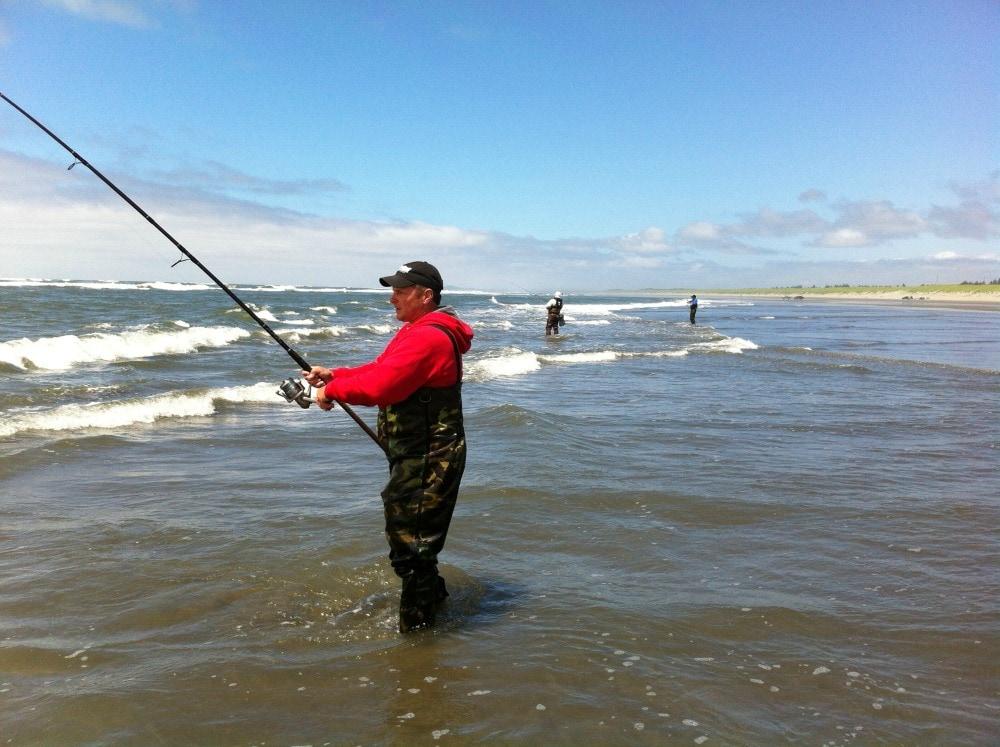
There's something about standing on an Oregon beach with a fishing rod in your hands as the Pacific rolls in. The salty breeze, the sound of crashing waves, and the anticipation of feeling a fish tug on your line create an experience that's about much more than catching dinner. Surf fishing is one of the most accessible outdoor adventures on the Oregon Coast. You don't need a boat, expensive equipment, or years of experience—just a little knowledge, the right timing, and a willingness to embrace the elements.
Stretching more than 360 miles, the Oregon Coast offers countless beaches where anglers can target a surprising variety of fish throughout the year.
Why Surf Fishing is So Popular
Unlike many forms of fishing, surf fishing allows anglers to cover large areas without needing specialized equipment. Public beach access is abundant, parking is often nearby, and many productive fishing spots are only a short walk from the road.
Every incoming wave stirs up sand crabs, shrimp, clams, worms, and other small creatures hiding beneath the sand. These become an easy meal for hungry fish patrolling just beyond the breakers. Learning where these feeding zones are is often more important than casting as far as possible.
Many beginners assume they need to cast 100 yards into the ocean, but some of the best fishing happens only 20 to 40 feet from shore where waves wash over underwater troughs.
Redtail Surfperch: Oregon's Most Popular Surf Fish
If you're surf fishing on the Oregon Coast, chances are you'll catch a redtail surfperch.
These hard-fighting fish are aggressive feeders and can often be found close to shore. They travel in schools, so once you catch one, there are usually several more nearby.
Average Size
- 10–16 inches
- 1–3 pounds
Best Bait
- Sand shrimp
- Berkley Gulp! Sandworms
- Ghost shrimp
- Sand crabs
- Clam necks
Best Time
- Spring through fall
- Productive year-round
Look for areas where waves break, then reform before reaching shore. These deeper troughs often hold feeding perch.
Striped Seaperch
Often confused with redtail surfperch, striped seaperch also roam Oregon beaches.
They're recognizable by the vertical dark bars running down their bodies and frequently gather in schools.
Although slightly smaller than redtails, they're excellent table fare and fight surprisingly hard on light tackle.
Silver Surfperch
Silver surfperch are another common catch.
These fish prefer sandy bottoms and feed on tiny crustaceans buried beneath the sand.
They're usually caught while targeting redtails and often appear in mixed schools.
Pacific Sanddab
Although more common from boats, Pacific sanddabs occasionally move into shallow surf near sandy beaches.
These flatfish hide beneath the sand waiting for food to drift overhead.
Starry Flounder
Starry flounder are among the largest flatfish commonly caught from Oregon beaches.
They're masters of camouflage, lying nearly invisible beneath the sand until bait drifts past.
Best Bait
- Sand shrimp
- Clams
- Anchovy pieces
They're especially common near estuary mouths where freshwater meets the ocean.
Pacific Herring
Large schools of Pacific herring often move along Oregon beaches.
Although they're more commonly caught from piers or bays, anglers occasionally catch them from the surf using sabiki rigs when schools move close enough.
They're also one of the best fresh baits for larger fish.
Surf Smelt
Surf smelt are small schooling fish that gather along sandy beaches.
While many anglers catch them with specialized nets, they can also be caught on tiny hooks tipped with bait.
They're popular for family fishing trips and make excellent bait.
Chinook Salmon
During salmon runs, Chinook occasionally travel surprisingly close to shore.
Experienced surf anglers target them near river mouths where migrating salmon pass through the surf before entering freshwater.
Landing one from the beach is unforgettable.
Coho Salmon
Like Chinook, Coho salmon sometimes move within casting distance during migration.
Success depends heavily on timing and local river returns, but every season a handful of anglers experience incredible beach-caught salmon.
Greenling
Rocky beaches occasionally produce greenling.
Unlike surfperch, greenling stay close to rocky structure and kelp rather than open sandy beaches.
Fishing near rocky headlands during calmer seas can produce excellent catches.
Lingcod (Occasionally)
Large lingcod rarely venture into typical surf zones but may be caught from rocky points adjacent to beaches where deep water lies nearby.
These powerful predators require heavier tackle and careful planning around tides and wave conditions.
Best Beaches for Surf Fishing on the Oregon Coast
Some of Oregon's most productive surf fishing beaches include:
- Clatsop Spit
- Sunset Beach
- Gearhart Beach
- Del Rey Beach
- Agate Beach (Newport)
- South Beach (Newport)
- Beverly Beach
- Waldport Beaches
- Heceta Beach
- Horsfall Beach
- Bullards Beach
- Bastendorff Beach
- Harris Beach
- Whaleshead Beach
Each beach changes with tides, storms, and seasons, so exploring different stretches often leads to better success.
Basic Surf Fishing Gear
You don't need expensive equipment to get started.
A simple setup includes:
- 9- to 11-foot surf rod
- 4000–6000 size spinning reel
- 15–20 lb braided line
- Fish finder or high-low rig
- Pyramid or Sputnik sinkers (2–5 oz depending on surf)
- Circle or baitholder hooks (size 2–2/0)
- Sand shrimp, clam, or artificial sandworms
Many anglers also carry chest waders, polarized sunglasses, a sand spike rod holder, and a small tackle backpack to stay mobile.
Reading the Water
The best surf anglers spend as much time watching the waves as they do casting.
Look for:
- Dark-colored troughs between breaking waves
- Gaps in the breakers
- Rip currents moving seaward
- Foam lines where food gathers
- Areas where waves break unevenly
Fish often patrol these features looking for dislodged prey.
Safety Comes First
The Oregon Coast is beautiful, but the ocean demands respect.
Always:
- Watch sneaker waves.
- Never turn your back on the ocean.
- Check tide tables before heading out.
- Avoid fishing during dangerous surf advisories.
- Wear a personal flotation device if fishing near rocks.
- Fish with a partner whenever possible.
- Be mindful of changing weather and rising tides that can cut off beach access.
Surf fishing on the Oregon Coast combines adventure, relaxation, and the excitement of never knowing what the next cast might bring. One morning you might catch a stringer full of hard-fighting redtail surfperch, while the next could reward you with a starry flounder or even a migrating salmon cruising through the surf.