Starfish in the Pacific Ocean & the Weird, Wonderful Things They Do
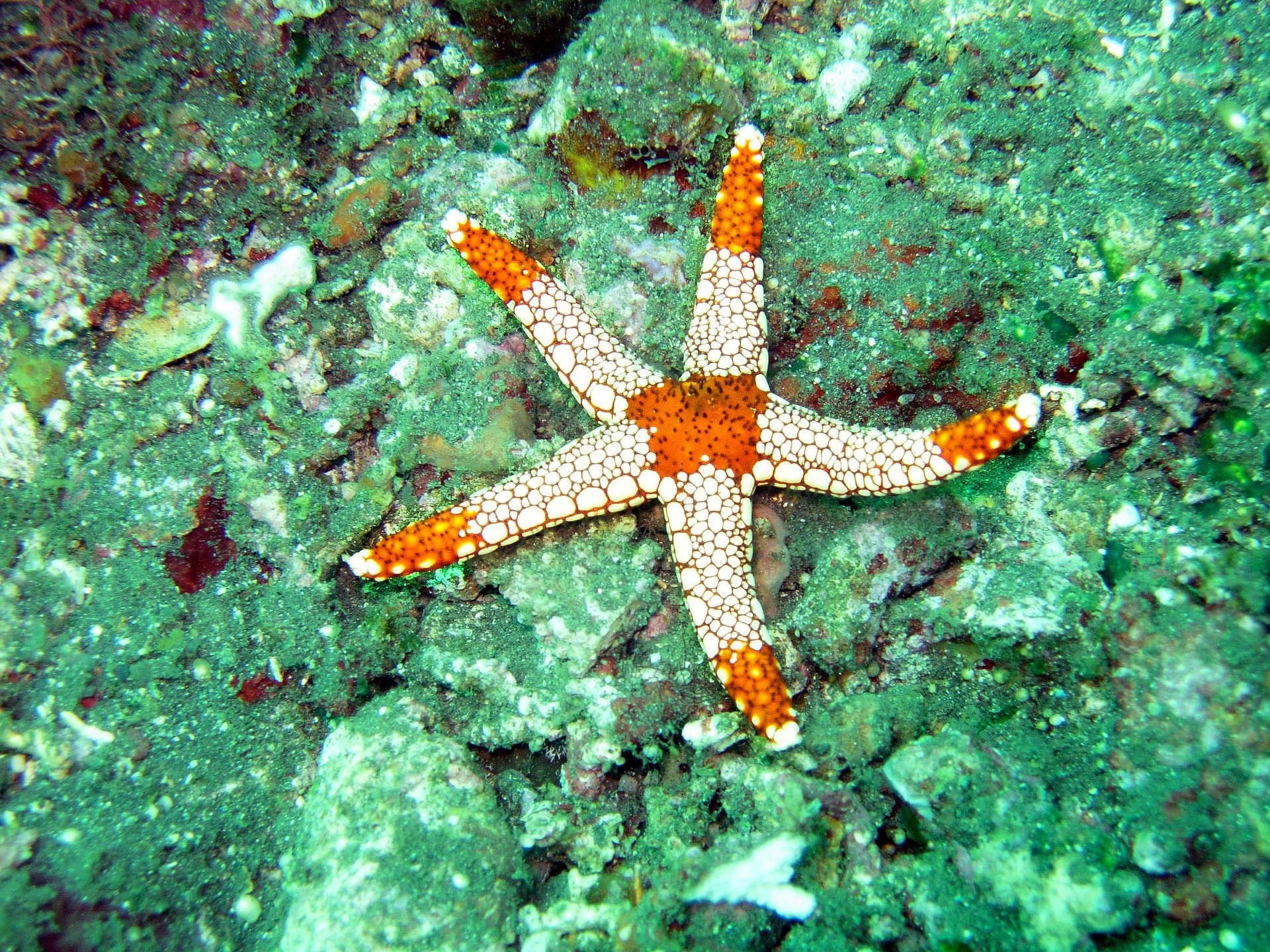
The Pacific Ocean is the largest and most biologically diverse ocean on Earth, and its starfish—more accurately called sea stars—are some of its strangest residents. Found from sunlit tide pools to pitch-black deep-sea trenches, Pacific sea stars come in countless shapes, colors, sizes, and behaviors that often feel more alien than animal.
Despite their familiar star-shaped outline, starfish are anything but simple. They don’t have brains. They don’t have blood. They eat with their stomachs outside their bodies. Some can clone themselves. Others can live for decades or wipe out entire ecosystems.
Let’s dive into the most fascinating types of starfish in the Pacific Ocean—and the bizarre facts that make them so unique.
What Exactly Is a Starfish?
First, a quick myth-buster: starfish are not fish. They belong to a group called echinoderms, which also includes sea urchins, brittle stars, and sand dollars. Echinoderms are defined by:
- Radial symmetry (usually five arms)
- A water vascular system instead of blood vessels
- Tube feet operated by hydraulic pressure
- Skin reinforced with calcium carbonate plates
Starfish move, breathe, feed, and sense the world through this hydraulic system—making them one of the most unusual animals on the planet.
Common and Iconic Pacific Starfish Species
Ochre Sea Star (Pisaster ochraceus)
Range: Alaska to Baja California
Colors: Purple, orange, brown, yellow
This is one of the most studied sea stars in the world and a symbol of Pacific tide pools.
Why it’s important:
- It is a keystone predator—remove it, and mussels overrun entire shorelines.
- Its feeding behavior shapes the entire intertidal ecosystem.
Weird biology:
- It pries open mussels using thousands of tube feet applying steady pressure.
- It then pushes its stomach into the mussel and digests it alive.
- It can regenerate lost arms, and sometimes an entire body grows back.
Sunflower Sea Star (Pycnopodia helianthoides)
Range: Pacific Northwest to Alaska
Arms: Up to 24
The sunflower sea star is a giant among starfish and one of the most important predators in kelp forest ecosystems.
What makes it wild:
- It’s the fastest sea star on Earth, capable of crawling at surprising speeds.
- It hunts sea urchins, preventing them from destroying kelp forests.
- Its decline has caused massive ecological ripple effects.
Extra weird:
- Its arms move independently, giving it an almost crawling, mammal-like motion.
- When healthy populations exist, kelp forests thrive. When they disappear, urchin barrens form.
Giant Pink Sea Star (Pisaster brevispinus)
Range: Pacific Coast of North America
Size: Over 2 feet across
This smooth, pale sea star is one of the largest five-armed species in the Pacific.
Strange adaptations:
- It can burrow into sand and mud to hunt clams.
- Its arms are flexible enough to wedge deep into sediment.
- It uses sheer force to pry open shells over long periods.
Bat Star (Patiria miniata)
Range: Shallow Pacific coastlines
Shape: Short, webbed arms
Bat stars are common but incredibly resilient, thriving in rough surf and shallow tide pools.
Odd facts:
- Juveniles may start with fewer arms and grow more as they mature.
- They are omnivorous scavengers, feeding on algae, dead animals, and detritus.
- Their flattened shape helps them cling to rocks during heavy wave action.
Lesser-Known but Fascinating Pacific Sea Stars
Blood Star (Henricia leviuscula)
Color: Deep red to burgundy
This elegant sea star feeds very differently from its more aggressive cousins.
Why it’s strange:
- It doesn’t extrude its stomach.
- Instead, it absorbs nutrients directly from microscopic organisms.
- It often lives among sponges and coral-like invertebrates.
Leather Star (Dermasterias imbricata)
Texture: Thick, rubbery, smooth
The leather star looks soft, but it’s chemically armed.
Unusual defenses:
- It secretes a toxic mucus that deters predators.
- The slime can kill nearby invertebrates.
- It feeds on sponges, anemones, and even other starfish.
Morning Sun Star (Solaster dawsoni)
Arms: 10–16
Color: Red, orange, or patterned
This is a deep-water predator with a fearsome reputation.
Weird behavior:
- It hunts other starfish, including smaller sunflower stars.
- It has incredible sensory ability, detecting prey through chemical cues.
- Its many arms allow it to envelop prey rapidly.
Tropical and Indo-Pacific Giants
Blue Sea Star (Linckia laevigata)
Range: Indo-Pacific coral reefs
Color: Electric blue
One of the most visually striking sea stars in the Pacific.
Bizarre abilities:
- It can regenerate an entire body from a single arm.
- It often reproduces asexually.
- Despite its bright color, it blends into coral reefs surprisingly well.
Crown-of-Thorns Starfish (Acanthaster planci)
Arms: 12–19
Spines: Venomous
This species is infamous for its destructive power on coral reefs.
Why it’s feared:
- Each adult can consume large areas of coral.
- Population explosions can devastate reefs in months.
- Females can release tens of millions of eggs in a single spawning event.
Human danger:
- Its spines inject venom that causes intense pain, swelling, and nausea.
Deep-Sea Starfish: The Truly Alien Ones
In the deep Pacific, starfish become even stranger.
- Some species have dozens of arms
- Others are nearly transparent
- Many feed on “marine snow”—organic debris falling from above
- Some live near hydrothermal vents
These starfish survive in total darkness, crushing pressure, and near-freezing temperatures.
The Weirdest Starfish Facts of All
- Starfish don’t have blood—seawater circulates nutrients.
- Their “eyes” can see shapes but not details.
- They breathe through their skin.
- Some species can live 30–40 years.
- They can reproduce sexually and asexually.
- Starfish existed before dinosaurs, over 450 million years ago.
Why Starfish Are So Important
Starfish help regulate ecosystems by controlling prey populations. When their numbers drop—due to disease, warming oceans, or pollution—the entire balance of marine life can collapse.
Sea star wasting syndrome alone has reshaped large portions of the Pacific coastline, proving just how critical these strange animals are.
Starfish are living proof that evolution doesn’t need to follow familiar rules. With no brain, no blood, and no conventional organs, they’ve survived mass extinctions, shaped ecosystems, and adapted to nearly every marine environment in the Pacific Ocean.
Starfish are complex and fascinating creatures!