The Maritime History of Winchester Bay, Oregon: A Harbor Built by the Sea
Along Oregon's southern coastline lies Winchester Bay, a community whose identity has always been tied to the sea. While many visitors know Winchester Bay today as a destination for fishing, crabbing, and dune adventures, its story stretches back centuries. The harbor has witnessed Native American trade, maritime exploration, dangerous shipwrecks, booming timber exports, commercial fishing fleets, and the construction of one of Oregon's most recognizable lighthouses.
Every wave that rolls through the mouth of the Umpqua River carries a piece of this remarkable maritime legacy.
Long Before European Ships
Long before maps labeled the Oregon Coast, the ancestors of today's Confederated Tribes of Coos, Lower Umpqua, and Siuslaw Indians lived along the Umpqua estuary. The Lower Umpqua people depended on the rich waters for salmon, shellfish, sturgeon, waterfowl, and trade.
The estuary served as a natural highway. Cedar canoes moved people and goods between villages while seasonal fishing camps lined the riverbanks. Maritime knowledge—reading tides, currents, and weather—was essential for survival and passed down through generations. European explorers would eventually arrive, but Indigenous communities had already mastered life on these waters for thousands of years.
The Umpqua River: Oregon's Gateway to the Interior
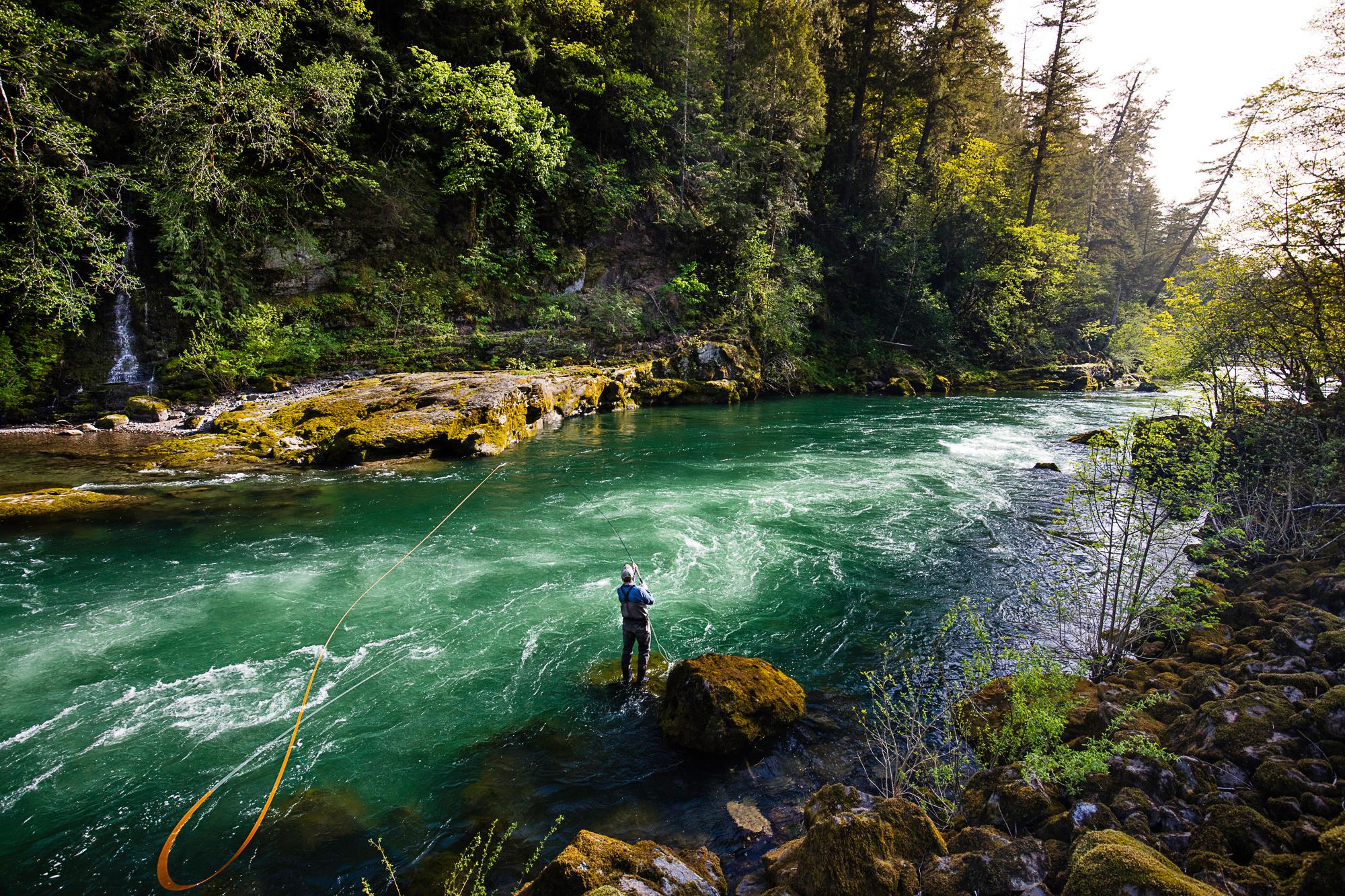
The Umpqua River became one of the earliest transportation routes into southern Oregon. Beginning in the early 1800s, fur traders working for the Hudson's Bay Company recognized its importance as they traveled inland in search of beaver pelts.
In 1836, the Hudson's Bay Company established Fort Umpqua farther upstream near present-day Elkton. Although the fort wasn't located at Winchester Bay itself, every shipment of supplies, furs, and trade goods depended on navigating the dangerous river entrance. Ships arriving from the Pacific had to cross shifting sandbars before reaching the safety of the river.
A Dangerous River Entrance
For much of the nineteenth century, the mouth of the Umpqua River earned a fearsome reputation among mariners.
Massive winter storms constantly reshaped underwater sandbars, creating unpredictable channels. Ocean swells collided with the river's outgoing current, producing steep breaking waves capable of overturning sailing vessels.
Captains often waited offshore for favorable tides before attempting the crossing. Others relied on experienced local pilots who understood the ever-changing entrance. Despite their skill, numerous vessels were damaged or lost while trying to enter the harbor.
The hazardous conditions convinced federal officials that the area desperately needed a lighthouse.
The Birth of the Umpqua River Lighthouse
The Umpqua River Lighthouse holds a unique place in Oregon history as the state's first lighthouse.
Construction of the original lighthouse was completed in 1857 on the north spit near the river entrance. Unfortunately, the sandy ground proved unstable. Powerful winter storms and erosion eventually undermined the foundation, causing the structure to collapse in 1863.
Rather than abandon the location, the government selected higher ground overlooking the harbor. Construction of the second lighthouse began in the early 1890s, and the current tower was completed in 1894.
Its magnificent first-order Fresnel lens—one of the largest ever installed on the Pacific Coast—sent alternating red and white flashes visible for nearly twenty miles. The light quickly became one of the most important navigational aids along Oregon's coast, guiding countless fishing boats, cargo ships, and passenger vessels safely toward the river entrance. Today, visitors can still admire the original lens inside the lighthouse.
Timber Ships and Coastal Commerce
By the late 1800s and early 1900s, the forests surrounding the Umpqua River fueled a booming timber industry.
Steam-powered schooners regularly entered the harbor to load massive quantities of Douglas fir destined for California and international markets. Lumber mills expanded throughout the region, and Winchester Bay became an important maritime connection between Oregon's forests and the growing cities of the West Coast.
The river wasn't simply a place for fishing—it served as a working highway where logs, lumber, equipment, and supplies moved constantly between inland communities and the Pacific Ocean.
Building the Jetties
One of the greatest engineering projects in Winchester Bay's history began during the early twentieth century.
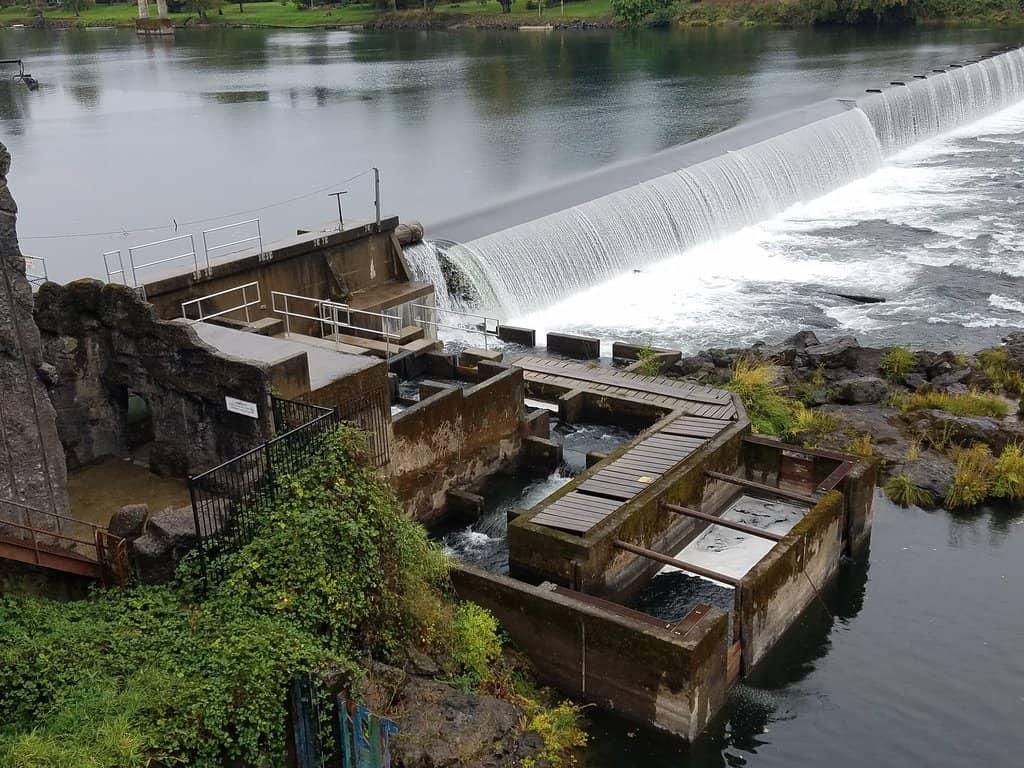
To reduce the dangers at the river mouth, the U.S. Army Corps of Engineers constructed massive stone jetties extending into the Pacific Ocean. These structures narrowed and stabilized the channel, helping direct the river's flow and reducing the buildup of shifting sandbars.
The jetties dramatically improved navigation while creating the protected harbor that modern boaters enjoy today. Although storms still make the entrance challenging during winter, the improvements transformed Winchester Bay into one of Oregon's most reliable coastal ports.
The Rise of Commercial Fishing
As navigation improved, commercial fishing flourished.
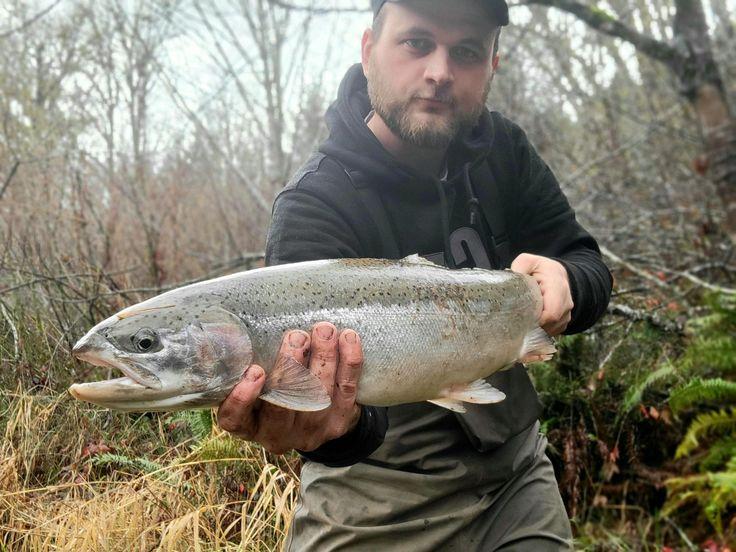
Fishing fleets harvested salmon, tuna, crab, shrimp, and bottom fish from Oregon's productive coastal waters. Winchester Bay became known for hardworking fishermen who often left the harbor before dawn and returned with holds full of seafood destined for markets throughout the Pacific Northwest.
The fishing industry shaped the town's culture. Boat builders, mechanics, net makers, seafood processors, and fuel docks all became part of the growing waterfront economy.
Even today, commercial fishing remains an important part of Winchester Bay's identity alongside recreational angling.
Salmon Harbor: A Modern Maritime Hub
The development of Salmon Harbor during the 1950s marked another major chapter in Winchester Bay's maritime story.
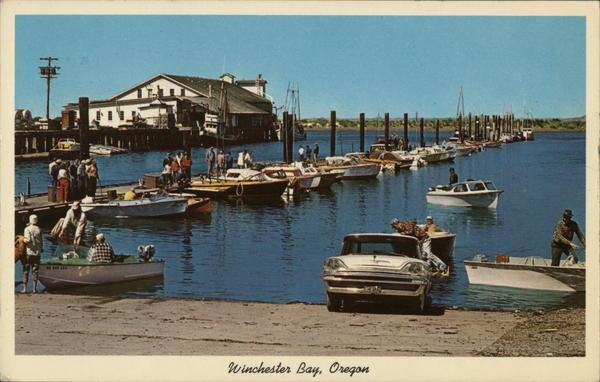
Protected by the surrounding jetties, the marina grew into one of the largest recreational boating facilities on the Oregon Coast. Today it serves commercial fishing vessels, charter boats, private yachts, sport fishermen, and recreational boaters.
The harbor supports a thriving tourism economy built around salmon fishing, crabbing, whale watching, and access to the nearby Oregon Dunes National Recreation Area. While the industries have evolved over the decades, the waterfront remains the heartbeat of the community.
The Coast Guard's Role
Given the hazardous entrance to the Umpqua River, the U.S. Coast Guard has long maintained a presence near Winchester Bay.
Coast Guard crews perform search-and-rescue operations, assist distressed vessels, enforce maritime safety regulations, and respond during severe winter storms. Their work continues a long tradition of protecting mariners navigating one of Oregon's more challenging coastal river entrances.
Maritime History Lives On
Today, visitors walking the docks at Salmon Harbor can still see echoes of Winchester Bay's past.
Commercial fishing boats unload fresh catches alongside recreational vessels preparing for offshore adventures. The Umpqua River Lighthouse still stands watch over the coast, its historic Fresnel lens reminding visitors of an era when lighthouse keepers guided ships through darkness and storms.
The jetties continue to protect the harbor just as engineers intended more than a century ago, while the tides still shape life in much the same way they did for the Lower Umpqua people thousands of years ago.
Winchester Bay has changed from a rugged frontier harbor into one of Oregon's premier boating destinations, but its maritime heritage remains unmistakable. Every fishing trip, every charter boat leaving the marina, and every visitor climbing the lighthouse steps becomes part of a story that has been unfolding along the Umpqua River for generations.