The Confederated Tribes of Coos, Lower Umpqua and Siuslaw Indians: Living History on the Oregon Coast
The Oregon Coast is famous for its wind-shaped dunes, salmon rivers, rocky headlands, old forests, and small towns tucked between the Pacific Ocean and the Coast Range. But long before Highway 101, fishing ports, lighthouses, and beach towns, this stretch of Oregon was home to Native peoples whose connection to the land and water reaches back since time immemorial.
The Confederated Tribes of Coos, Lower Umpqua and Siuslaw Indians, often shortened to CTCLUSI, represent the Hanis Coos, Miluk Coos, Lower Umpqua, and Siuslaw peoples. Their ancestral homelands stretch across the south-central Oregon Coast, tied closely to the Coos, Umpqua, and Siuslaw rivers, the estuaries, the ocean, the dunes, and the forested mountains rising inland.
A Homeland of Rivers, Estuaries, Forests, and Ocean
The traditional homelands of these Tribes covered a vast region of coastal Oregon, from the rocky Pacific shoreline east into the Coast Range. This was not empty wilderness. It was a lived-in, carefully understood homeland filled with villages, travel routes, seasonal gathering places, fishing areas, canoe routes, and sacred places.
The Coos people lived around the Coos Bay and Coos River area, including two bands: Hanis Coos and Miluk Coos. The Lower Umpqua people lived around the lower Umpqua River region, while the Siuslaw people lived near the Siuslaw River and surrounding coastal lands. Each group had its own identity, language, traditions, and deep relationship with the waters and landscapes around them.
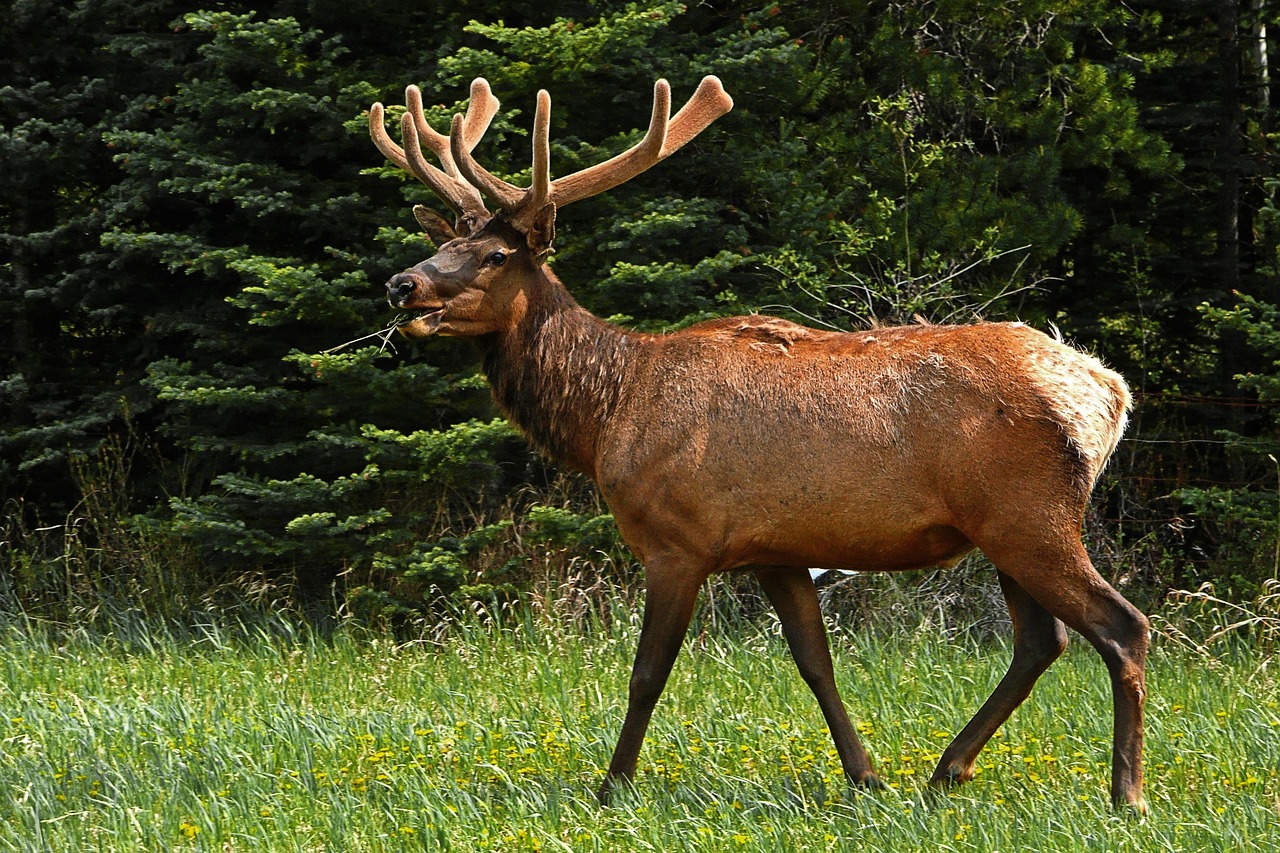
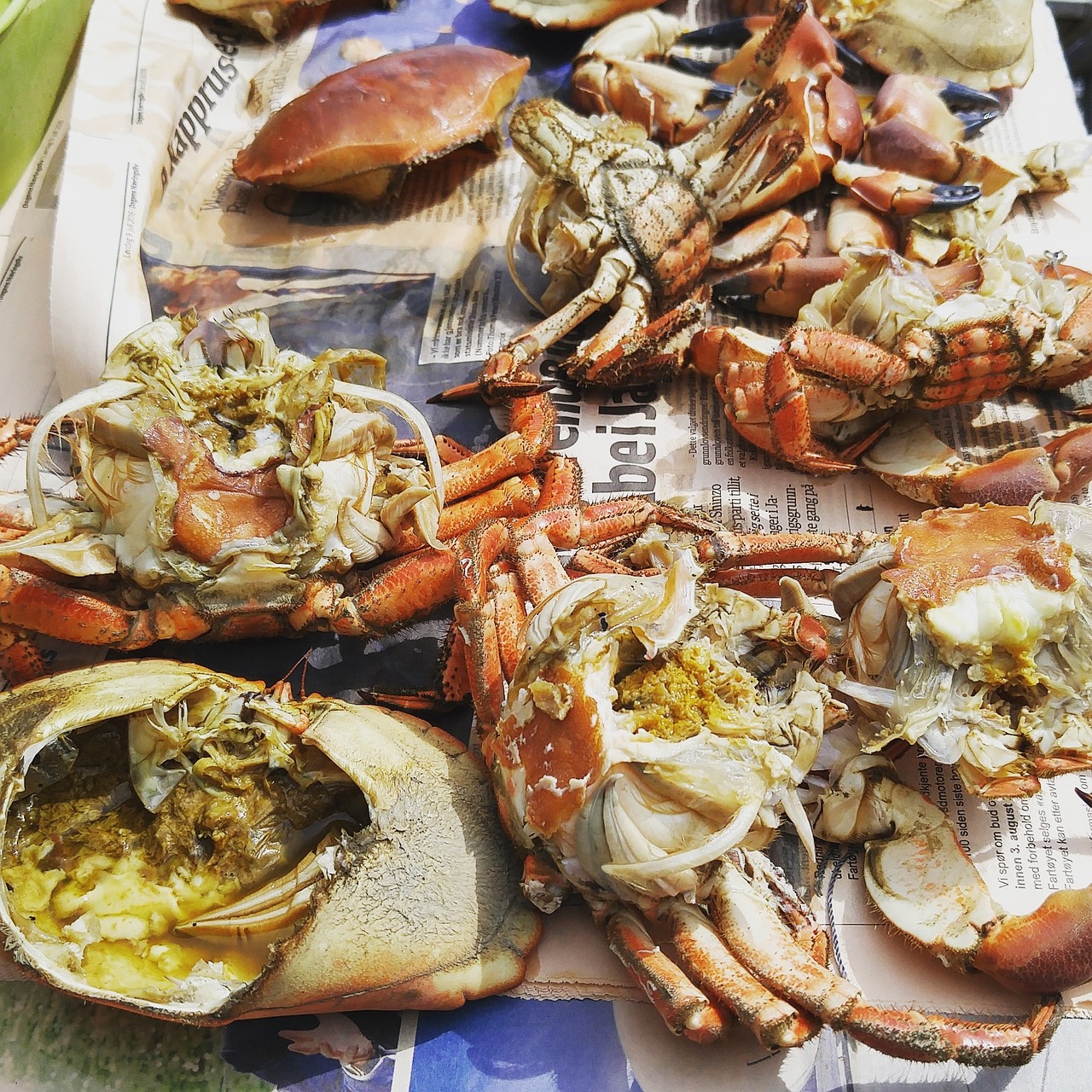
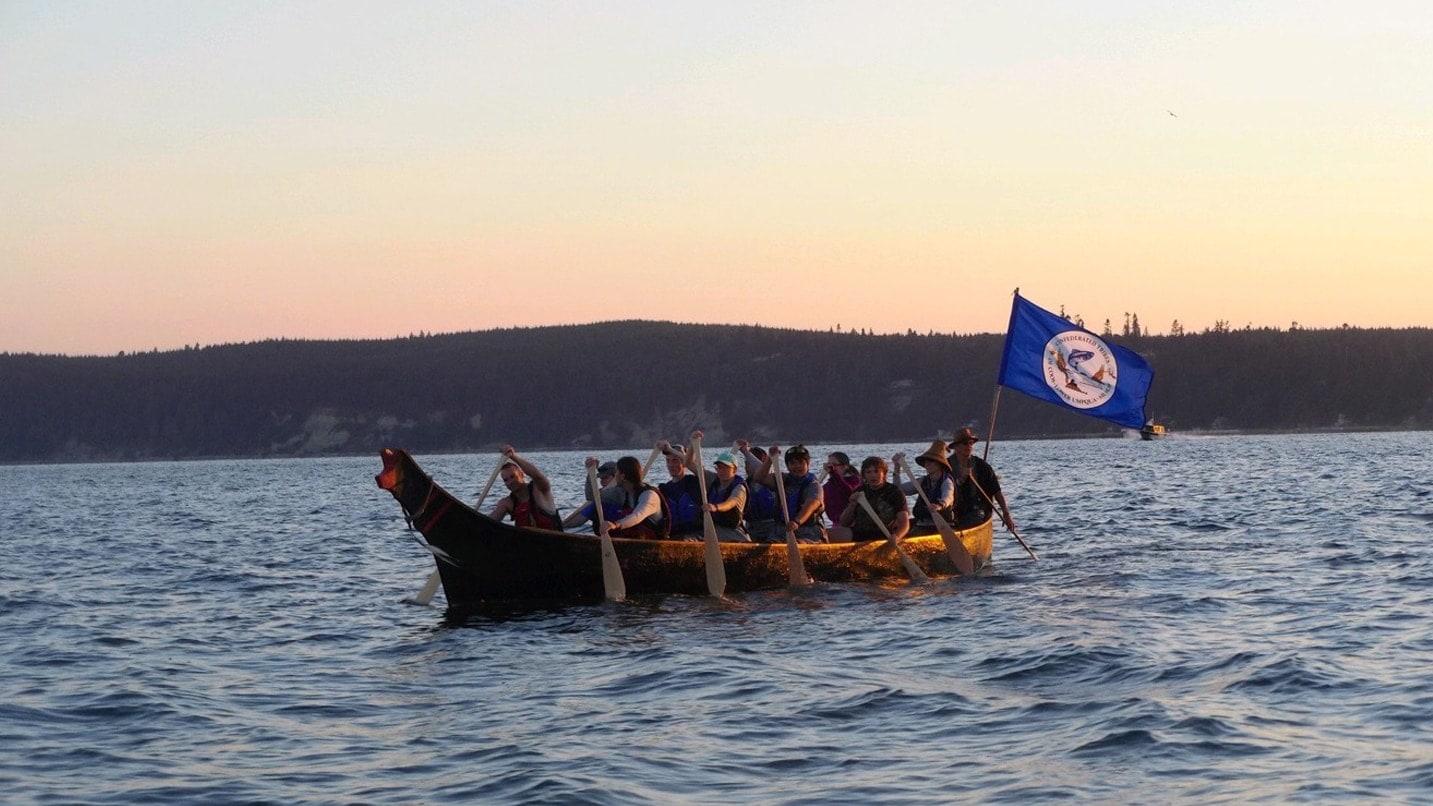
Life was centered around abundance: salmon, shellfish, lamprey, elk, deer, berries, roots, edible plants, cedar, tule, and other natural resources. Villages were often built near estuaries and rivers, where people lived in cedar plank houses and traveled by canoe. The rivers were not barriers — they were highways, food sources, gathering places, and cultural lifelines.
Culture, Language, and Daily Life
The cultures of the Coos, Lower Umpqua, and Siuslaw peoples were shaped by the ocean, tides, rivers, forests, and seasonal cycles. Canoes, basketry, fishing, carving, weaving, plant knowledge, storytelling, and ceremony were all part of a way of life rooted in place.
The Hanis Coos and Miluk Coos lived close to one another but spoke different dialects of the Coos language and maintained distinct cultural identities. The Lower Umpqua and Siuslaw peoples shared connections through the Siuslaw language. These languages carried not only words, but history, geography, values, humor, family memory, and knowledge about how to live with the land.
Today, CTCLUSI continues cultural revitalization work through language, canoe culture, traditional arts, land stewardship, education, and community programs. This is not simply history preserved in glass cases. It is living culture, carried forward by Tribal citizens, families, elders, youth, artists, leaders, and educators.
Contact, Treaties, and Disruption
When Euro-American settlers arrived on the Oregon Coast in larger numbers during the 1800s, Native communities faced enormous disruption. Disease, settlement pressure, broken promises, removal policies, and federal decisions deeply affected the Coos, Lower Umpqua, and Siuslaw peoples.
In 1855, a treaty was drafted by the federal government involving the peaceful acquisition and settlement of Tribal ancestral lands. Like many treaties in Oregon history, the promises and realities of federal policy became part of a painful story of displacement, survival, and legal struggle.
Despite these hardships, the Tribes continued to maintain community, identity, and government. In 1916, they established a formal elected Tribal government. In 1941, a small parcel of land in Coos Bay was taken into trust for the Tribes, and a Tribal Hall was built there. That Tribal Hall remains historically important today.
Termination and Restoration
One of the most painful chapters in CTCLUSI history came in 1954, when the Tribes were included in the Western Oregon Termination Act. Termination was a federal policy that ended recognition of many Native nations and attempted to sever the government-to-government relationship between Tribes and the United States.
The Coos, Lower Umpqua, and Siuslaw people opposed termination. Even after federal recognition was terminated, the Tribes continued fighting for restoration and maintained their small reservation and Tribal Hall.
That long effort finally succeeded on October 17, 1984, when federal recognition was restored. Restoration was not just a legal victory. It was a powerful act of survival — proof that despite removal, termination, and decades of struggle, the people remained.
Today, CTCLUSI is a federally recognized sovereign Tribal nation headquartered in Coos Bay, Oregon. The Tribes continue to serve their citizens, protect cultural identity, manage programs, support economic development, and work on restoration efforts across ancestral lands and waters.
CTCLUSI Today
Modern CTCLUSI is deeply involved in cultural preservation, natural resources, education, health, economic development, and community services. Their five-county service area includes Coos, Curry, Lincoln, Douglas, and Lane counties.
The Tribe’s work reaches into many parts of modern Oregon Coast life: habitat restoration, first foods, language revitalization, cultural education, historic preservation, canoe culture, community health, and partnerships with local, state, federal, and Tribal governments.
Visitors to the Oregon Coast may know places like Coos Bay, Florence, Reedsport, Winchester Bay, the Oregon Dunes, and the Siuslaw River. But understanding CTCLUSI history adds an entirely deeper layer to these places. These are not just scenic stops. They are ancestral homelands.
Museums and Cultural Stops to Visit
Coos History Museum — Coos Bay
One of the best public places to begin learning about the region’s Native and local history is the Coos History Museum & Maritime Collection in Coos Bay. The museum sits along the bayfront and includes exhibits about the South Coast’s Indigenous history, maritime heritage, shipbuilding, logging, fishing, settlement, and changing coastal communities.
The museum’s exhibits include stories connected to local Tribes, the fur trade, tidewater travel, coastal industry, and the natural history of the region. It is a strong first stop for visitors who want context before exploring Coos Bay, North Bend, Cape Arago, Charleston, or the southern Oregon Coast.
Visitor information:
The Coos History Museum is located at 1210 N Front Street in Coos Bay. Current listed hours are Tuesday through Saturday, 10 AM to 5 PM, though visitors should always check ahead before planning a trip.
Tribal Hall — Coos Bay
The CTCLUSI Tribal Hall in Coos Bay is historically significant because it represents continuity through some of the most difficult chapters in Tribal history. The Tribal Hall was built after a small parcel was taken into trust in 1941 and remains part of the Tribe’s story today.
This is not a standard tourist attraction like a museum, but it is an important place to understand when learning about CTCLUSI history. Visitors should be respectful and remember that Tribal facilities are living community spaces, not theme-park stops.
Laqauwiiyatas Gallery and Tribal Points of Interest
The Oregon Blue Book lists Laqauwiiyatas Gallery, Tribal Hall in Coos Bay, Three Rivers Casino-Coos Bay, and Ocean Dunes Golf Course among CTCLUSI points of interest. Visitors interested in Tribal arts, culture, and local economic development should check current Tribal information before visiting, since hours and access may change.
Oregon Dunes and Siuslaw Country
The Oregon Dunes National Recreation Area, especially near Florence, Reedsport, and Winchester Bay, sits within a landscape deeply tied to the Siuslaw and Lower Umpqua peoples. While many visitors come for sandboarding, off-road riding, hiking, camping, and photography, the dunes are also part of a much older cultural landscape.
When visiting, take time to look beyond the recreation side of the dunes. Notice the estuaries, freshwater lakes, shore pine forests, salmon streams, and old travel corridors. These landscapes hold stories much older than the roads and campgrounds around them.
How to Visit Respectfully
When exploring places connected to CTCLUSI history, travel with respect. Stay on marked trails, do not disturb archaeological sites, never remove artifacts, and treat cultural places as living homelands rather than abandoned history.
A good visitor mindset is simple: learn before you go, listen more than you assume, support Native-led resources when available, and remember that Tribal history is not stuck in the past. CTCLUSI is a living sovereign nation with citizens, families, leaders, programs, and cultural responsibilities today.
Nearby Places to Add to Your Trip
If you are building a cultural and scenic Oregon Coast itinerary, consider pairing your learning stops with nearby natural areas:
- Coos Bay Boardwalk
- Coos History Museum
- Charleston Marina
- Cape Arago State Park
- Shore Acres State Park
- South Slough National Estuarine Research Reserve
- Oregon Dunes National Recreation Area
- Umpqua River Lighthouse area
- Florence Old Town
- Siuslaw River Bridge
Together, these places help visitors see the Oregon Coast as more than a pretty drive. They reveal a region shaped by Native stewardship, river travel, fishing, trade, storms, settlement, industry, restoration, and resilience.
The story of the Confederated Tribes of Coos, Lower Umpqua and Siuslaw Indians is a story of place, survival, and strength. It begins long before Oregon became a state and continues today through language, culture, canoe traditions, land restoration, Tribal government, and community life.
When you stand along Coos Bay, walk near the Siuslaw River, watch the wind move across the Oregon Dunes, or listen to waves hit the South Coast cliffs, you are standing in an ancestral homeland. Knowing that changes the way you see the coast. It makes the landscape feel deeper, older, and far more alive.