Visiting Thor’s Well on the Oregon Coast: A Must-See Natural Wonder
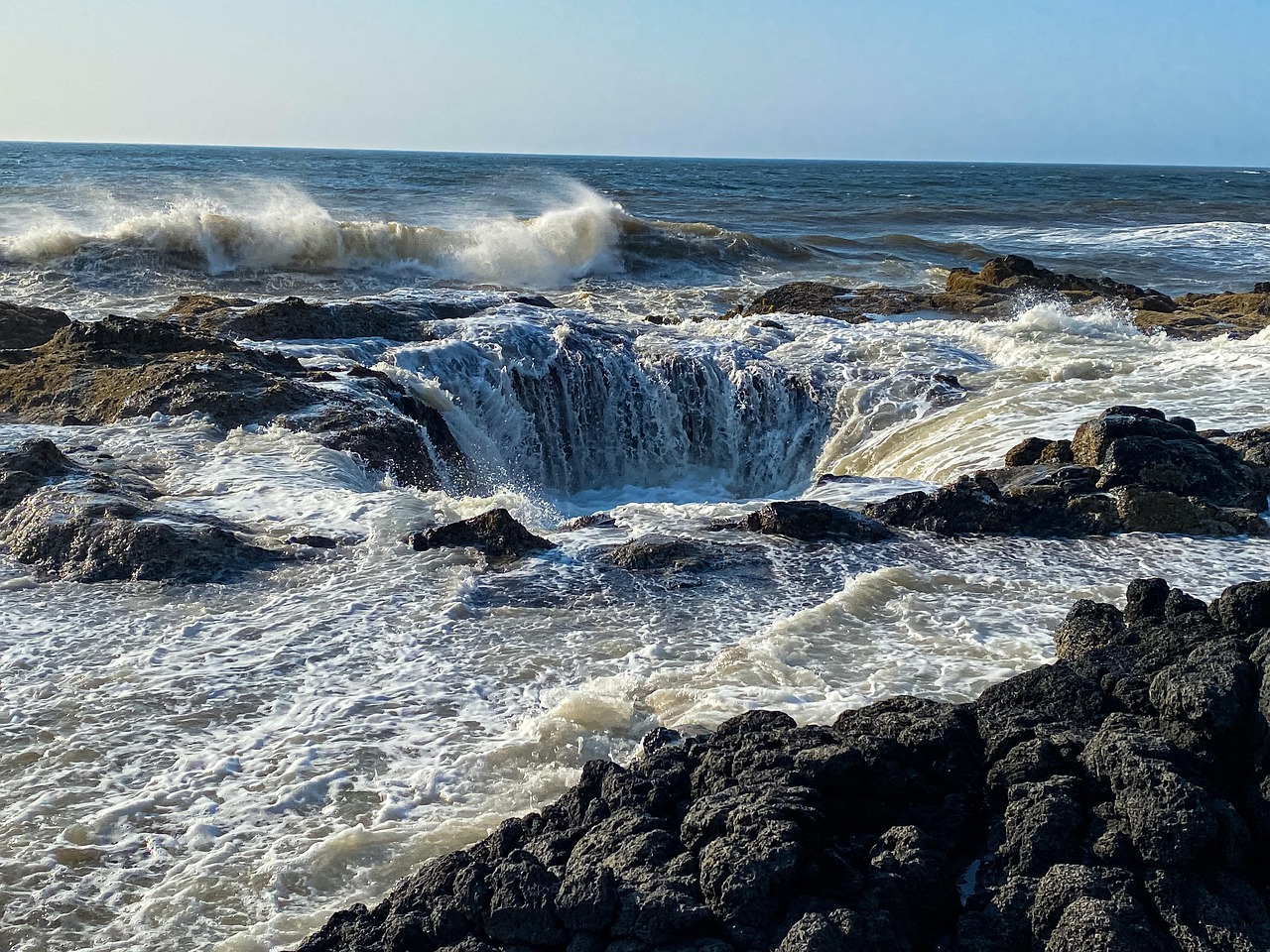
Thor’s Well is one of the most spectacular and jaw-dropping natural features along the Oregon Coast. Often called the “drainpipe of the Pacific,” it’s a hole in the basalt rock that seems to swallow seawater only to erupt again in dramatic bursts. Located near Cape Perpetua, just south of the charming coastal town of Yachats, Thor’s Well is a must-see for travelers seeking one of the coast’s most iconic and photogenic landmarks.
What is Thor’s Well?
Thor’s Well is a collapsed sea cave, shaped over thousands of years by the relentless pounding of waves. At low tide, the rocky formation looks like a giant, jagged mouth carved into the ocean floor. When the tide rises or waves crash into it, seawater surges into the hole and then shoots back out in spectacular sprays, creating an effect that’s both mesmerizing and a little intimidating. It’s a living demonstration of nature’s power and a photographer’s dream.
While it may look tempting to approach closely, it’s important to remember that the rocks are slippery, and rogue waves can appear suddenly. Visitors are urged to keep a safe distance and watch the well’s eruptions from the designated viewing areas.
Best Time to Visit
Timing your visit is key to experiencing Thor’s Well safely and at its most dramatic:
- Low tide: This is the safest time to see the well up close. You can explore the surrounding rock shelves, tide pools, and nearby formations like Spouting Horn and Cook’s Chasm.
- High tide or stormy weather: The well’s eruptions are at their most impressive during high tide or when waves are large, but this comes with increased danger. Exercise extreme caution and never turn your back on the ocean.
Early mornings or late afternoons often provide softer lighting, making for beautiful photos. Overcast days give the site a moody, cinematic vibe, while sunsets cast a golden glow over the rugged coastline.
How to Get There
Thor’s Well is located in the Cape Perpetua Scenic Area, along the famous Highway 101 corridor. Here’s how to reach it:
- From Yachats: Head south on Highway 101 for about 5 miles. Look for the Cape Perpetua Visitor Center parking area.
- Parking: There is a small parking lot at the end of the trailhead. Parking can fill up quickly, especially on weekends and during tourist season, so plan to arrive early.
- Trail to Thor’s Well: From the parking area, a short, easy trail of about 0.25 miles (roughly 5–10 minutes) leads to the rocky shoreline. The trail is paved in sections but becomes uneven closer to the well, so wear sturdy shoes.
- Nearby Attractions: Once at Thor’s Well, you’re just steps away from Spouting Horn, Cook’s Chasm, and other dramatic coastal features. The Cape Perpetua area also offers hiking trails, tide pools, and lookout points that provide sweeping views of the Pacific Ocean.
Tips for Visiting
- Safety first: The rocks are wet, slippery, and unpredictable. Keep a safe distance and avoid standing at the edge of the well.
- Photography: Bring a tripod and long lens if you want dynamic shots of the water surging in and out. Protective covers for your camera or phone are recommended.
- Timing: Check tide charts before visiting to see the best time to experience the eruptions. Apps and local visitor centers can provide current tide information.
- Clothing: Layers and waterproof gear are recommended, as the coast can be windy and wet.
Why Thor’s Well is Special
Thor’s Well is more than just a tourist stop; it’s a humbling encounter with the raw power of the ocean. Its constant motion reminds visitors of nature’s unpredictability, while the surrounding scenery—jagged cliffs, crashing waves, and nearby forests—adds to the sense of awe. Whether you’re a photographer, hiker, or simply someone looking to witness the Oregon Coast’s wild beauty, Thor’s Well is a site that stays with you long after you leave.
Visiting Thor’s Well is a reminder that some natural wonders are best appreciated with patience, respect, and a sense of wonder. Whether it’s the quiet, low-tide view or the explosive surges of high tide, the experience is unforgettable—one of the Oregon Coast’s most iconic moments.