What Makes Oregon’s Coastal Forests Different Than Other Forests in Oregon?
Oregon is famous for its forests, but not all forests in the state are the same. While the towering pine forests of Central Oregon and the rugged mountain forests of the Cascades often get attention, Oregon's coastal forests are among the most unique ecosystems in North America. Stretching from the Columbia River to the California border, these lush woodlands are shaped by ocean storms, constant moisture, and mild temperatures that create conditions unlike anywhere else in the state.
If you've ever stepped into a coastal forest near Cape Perpetua, Oswald West State Park, or Samuel H. Boardman State Scenic Corridor, you've probably noticed the difference immediately. The air feels cooler, the trees seem larger, and nearly every surface is covered in moss.
A Rainforest on the Edge of the Pacific
The biggest difference between coastal forests and inland Oregon forests is moisture.
The Oregon Coast receives anywhere from 60 to more than 150 inches of rain annually, depending on location. Moist ocean air from the Pacific rises over the Coast Range, cooling and releasing tremendous amounts of rainfall. Even during the dry summer months, fog frequently drifts through the trees, providing additional moisture.
This constant supply of water creates a temperate rainforest environment. Unlike the drier forests east of the Cascades, coastal forests rarely experience prolonged drought conditions.
Giant Sitka Spruce Trees
One of the defining features of Oregon's coastal forests is the dominance of the Sitka spruce.
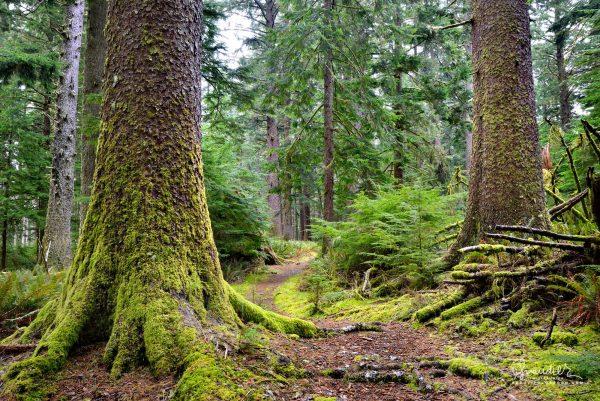
Sitka Spruce thrives in cool, moist coastal environments and can reach incredible sizes. Some specimens grow more than 200 feet tall and live for centuries. Their thick trunks and sprawling branches help create the cathedral-like atmosphere many visitors associate with coastal forests.
While Douglas-fir trees are common throughout Oregon, Sitka spruce are largely limited to the narrow coastal zone where ocean influence remains strong.
Moss, Ferns, and a Living Carpet
One of the first things visitors notice is how green everything appears.
Because of the abundant moisture, coastal forests support dense carpets of:
- Mosses
- Liverworts
- Lichens
- Sword ferns
- Salal shrubs
- Huckleberry bushes
Tree trunks, fallen logs, rocks, and even branches become covered in thick layers of green growth. In contrast, many inland forests have much drier forest floors with fewer mosses and moisture-loving plants.
Mild Temperatures Year-Round
Unlike forests farther inland, Oregon's coastal forests experience relatively stable temperatures.
The Pacific Ocean acts as a giant temperature regulator:
- Summers are cooler.
- Winters are milder.
- Extreme heat is uncommon.
- Severe cold is rare.
This allows many plant species to thrive year-round. Visitors can often hike coastal forest trails in every season without encountering the deep snow common in the Cascade Mountains.
Incredible Wildlife Diversity
The combination of forest, rivers, wetlands, and ocean creates ideal habitat for wildlife.
Animals commonly found in Oregon coastal forests include:
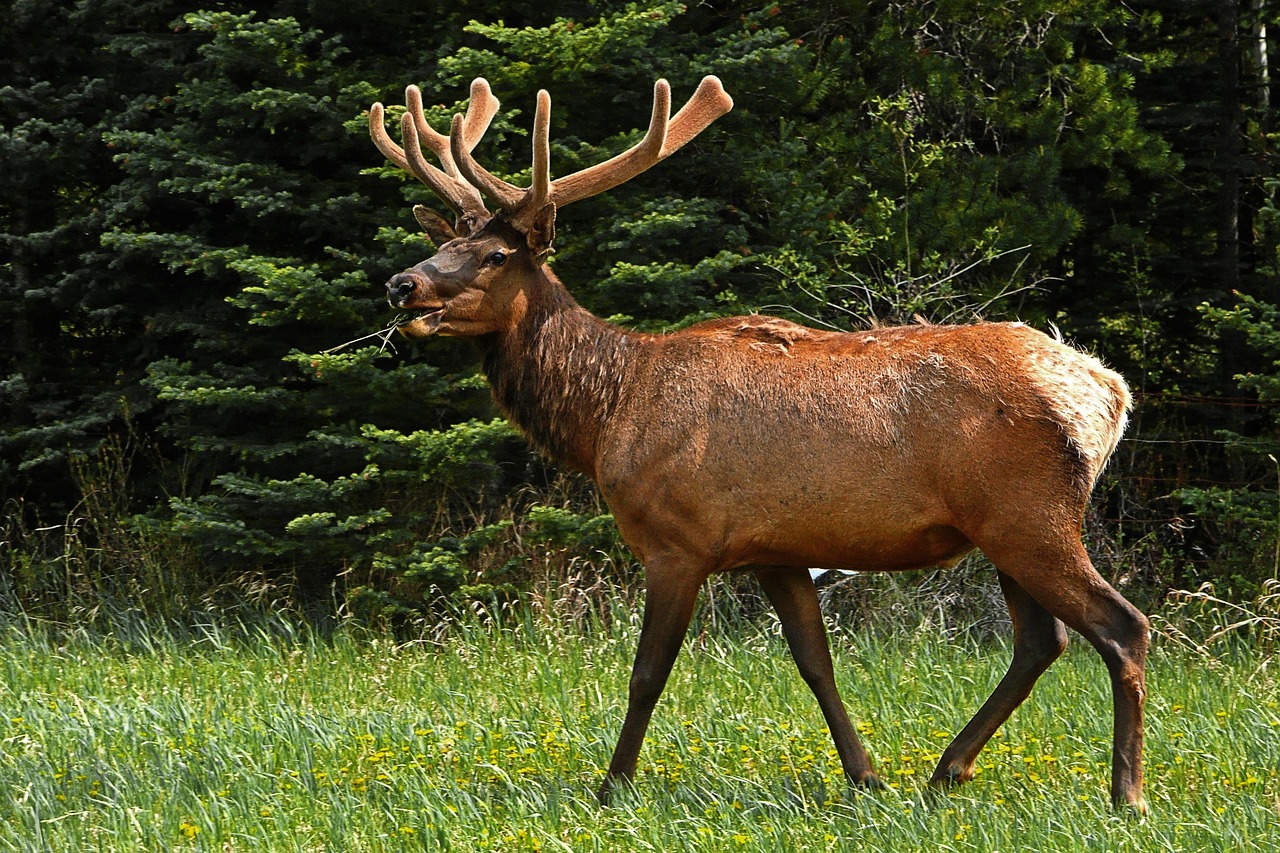
- Roosevelt elk
- Black-tailed deer
- Black bears
- Bobcats
- River otters
- Northern flying squirrels
- Banana slugs
- Pacific tree frogs
Birdwatchers may encounter species such as the Marbled Murrelet, Northern Spotted Owl, bald eagles, and a variety of woodpeckers.
Some species found in coastal forests are rarely seen elsewhere in Oregon because they depend on old-growth rainforest habitat.
Ancient Old-Growth Forests
Many of Oregon's remaining old-growth forests are located near the coast.
These forests contain:
- Massive centuries-old trees
- Standing dead snags
- Large fallen logs
- Multiple forest layers
- Rich wildlife habitat
Old-growth forests play an important role in storing carbon, protecting watersheds, and supporting species that require mature forest ecosystems.
Excellent places to experience old-growth coastal forest include:
- Cape Perpetua Scenic Area
- Drift Creek Wilderness
- Valley of the Giants
- Cummins Creek Wilderness
The Role of Coastal Fog
Perhaps the most unique feature of Oregon's coastal forests is the summer fog.
While much of Oregon becomes hot and dry during July and August, coastal fog continues to provide moisture to trees and understory plants. Scientists have found that some coastal forests receive a significant portion of their summer water from fog drip alone.
As fog condenses on needles and branches, water falls to the forest floor like a light rain, helping the ecosystem remain lush throughout the summer.
Why These Forests Feel So Different
Visitors often describe Oregon's coastal forests as magical or prehistoric. That feeling comes from a combination of factors:
- Massive trees
- Constant moisture
- Thick moss growth
- Dense fern-covered understories
- Frequent fog
- Abundant wildlife
- Ancient old-growth stands
Together, these elements create landscapes that resemble the temperate rainforests of Alaska, British Columbia, and parts of New Zealand more than they resemble many other forests in Oregon.
Oregon's coastal forests are far more than just trees near the ocean. They are living rainforests shaped by Pacific storms, ocean fog, and centuries of growth. Whether you're hiking beneath giant Sitka spruce near Cape Perpetua, exploring moss-covered trails outside Yachats, or watching Roosevelt elk emerge from the forest edge, you'll quickly discover why these coastal ecosystems are among Oregon's most remarkable natural treasures.