What to Fish for in Siletz Bay: Spring & Summer on the Oregon Coast
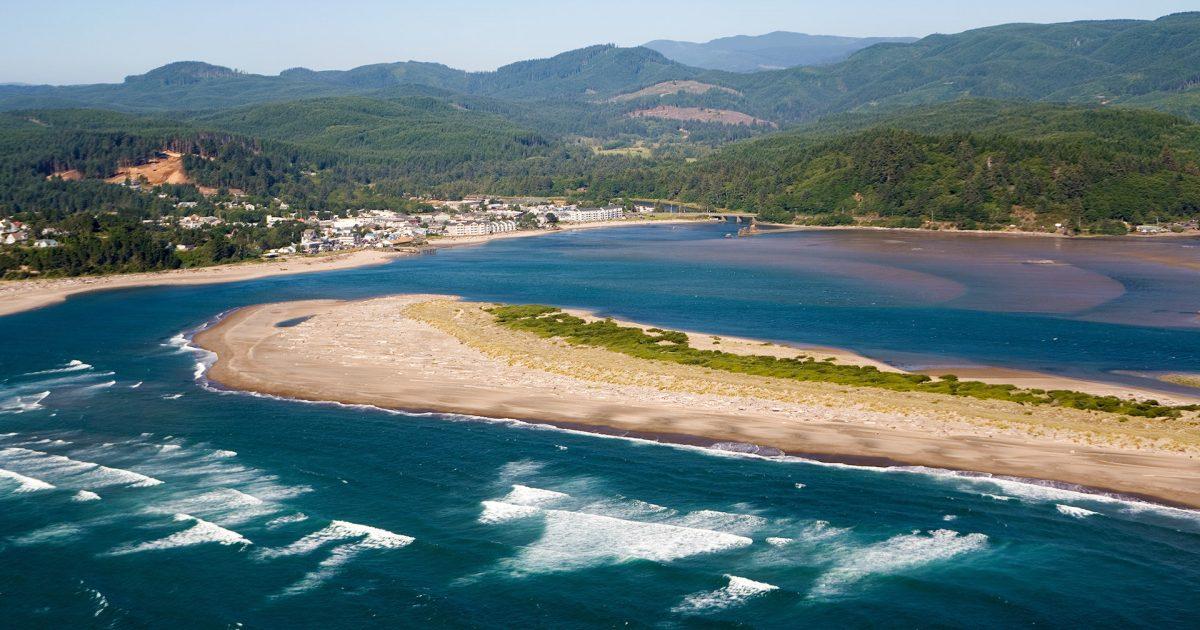
When the winter storms start backing off, the marsh grass brightens, the mornings smell like salt and mud, and the whole bay feels like it is waking up. Located on the south end of Lincoln City, Siletz Bay is where fresh river water mixes with the Pacific, creating one of the most interesting fishing spots on the central Oregon Coast.
This is not always the place where you show up and fill a cooler in ten minutes. Siletz Bay makes you work a little. You have to watch the tides, read the channels, pay attention to river flow, and understand what is moving through the system. But that is also what makes it fun. In spring, anglers may find opportunities for cutthroat trout, early summer steelhead moving through the Siletz system, perch in the bay, and nearby crabbing or clamming when conditions line up.
Spring Chinook: The Fish Everyone Hopes For
When anglers talk about spring fishing around Siletz Bay, spring Chinook are usually the dream fish. These salmon are powerful, bright, and famous for their rich meat. They push in from the ocean and move through tidewater toward the Siletz River.
Spring Chinook are not always easy to catch in the bay itself. Many anglers focus farther upriver or in lower river/tidewater sections where fish naturally travel and pause. But the bay is part of the highway. When the tides are right, salmon may move through the lower system, especially around deeper channels and areas where current funnels fish.
Best spring Chinook approach:
Use herring, spinners, plugs, or bait setups depending on water conditions and legal rules. Boat anglers often have the advantage because they can follow deeper travel lanes, but bank anglers can still look for pinch points, channel edges, and areas where fish are forced to pass close to shore.
The key with spring Chinook is patience. These fish are not always aggressive. Sometimes the bite window is short and tied closely to tide changes, water temperature, and river conditions.
Summer Steelhead: Spring’s Sneaky Bonus Fish
As spring moves toward late April, May, and June, summer steelhead begin showing up in the Siletz system. These fish are ocean-bright, athletic, and a blast on lighter gear. While many anglers think of steelhead as a river fish more than a bay fish, the lower Siletz and tidewater areas are part of their migration route.
Early in the season, numbers may be scattered. You might hear of a few fish here and there before the run builds. As more steelhead enter the river, anglers begin focusing on travel lanes, seams, and holding water.
Good spring steelhead options:
Cast spinners, drift beads, fish jigs under floats, or use small plugs where legal and appropriate. In clearer water, scale down your presentation. Summer steelhead can be spooky, especially when the river is low and clean.
For bank anglers, the lower river and access near the refuge can be a good place to explore. Just remember that steelhead rules are specific, especially when it comes to wild versus hatchery fish. Know what you can keep before you fish.
Cutthroat Trout: The Underrated Spring Favorite
Coastal cutthroat trout are one of the most overlooked fish around Siletz Bay and the lower river system. They are not usually giant, but they are aggressive, beautiful, and perfect for anglers who like light tackle.
Spring cutthroat fishing can be especially fun around sloughs, creek mouths, grassy edges, and quiet water where trout feed on small baitfish, insects, and other tiny prey. These fish often cruise the edges, so you do not always need to cast far. Sometimes the best water is right in front of you.
Best cutthroat gear:
Small spinners, tiny spoons, flies, and lightweight lures are all good choices. Keep your setup simple. A light spinning rod or fly rod makes even a small cutthroat feel exciting.
Cutthroat are a great option when salmon or steelhead fishing feels slow. They keep you moving, casting, and paying attention to the water.
Perch in the Bay
Siletz Bay can also produce perch, especially around calmer water, docks, muddy edges, and tidal flats. These are fun fish for families, beginners, or anyone who just wants action without dragging a full salmon setup around.
Perch fishing is usually best when you fish small. Think small hooks, light line, and bait like sand shrimp, clam necks, pile worms, or small pieces of shrimp. Incoming and outgoing tides can both work, but moving water usually helps.
Look for:
Channel edges
Drop-offs near mud flats
Bridge areas
Slough mouths
Calm pockets with current nearby
Perch are not glamorous, but they are a good reminder that spring bay fishing does not always have to be about chasing the biggest fish in the system. Sometimes the best day is a light rod, a little bait, and steady bites.
Crabbing Around Siletz Bay
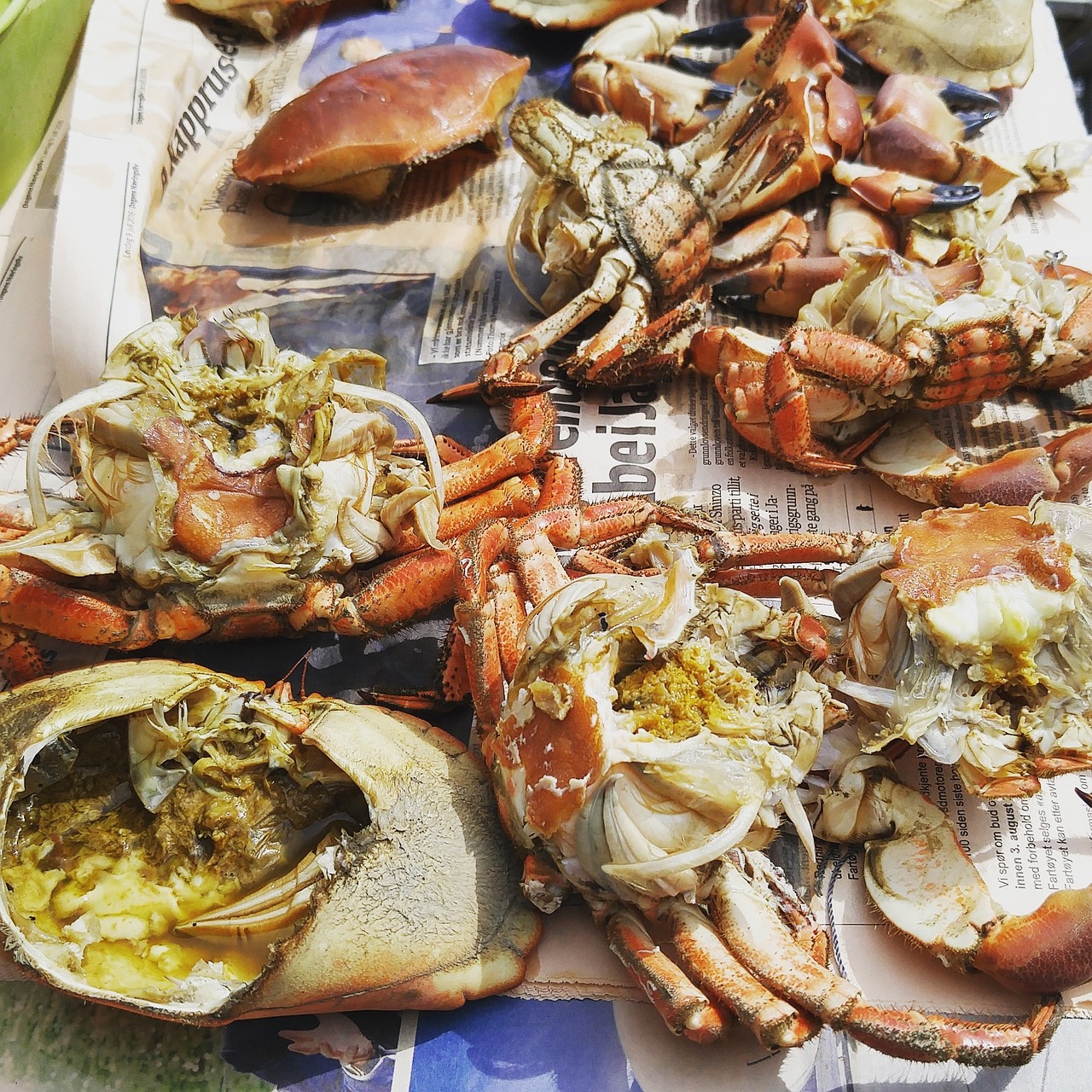
Spring crabbing can be hit or miss, but it is still part of the Siletz Bay experience. Crabbing is often better later in the year, especially after summer and into fall, but some locals and visitors still throw crab rings or pots when conditions are calm.
The Taft area is one of the most popular shore-based crabbing zones. It is easy to reach, scenic, and close to food, parking, and beach access. Just remember that freshwater from spring rain can push crab farther toward saltier water, so heavy rain can slow things down.
Best baits for crab:
Fish carcasses
Chicken
Turkey legs
Clams
Squid
Always check shellfish rules, crab size, sex, and limits before keeping anything. Oregon crabbing is fun, but the rules matter.
Clamming on the Tidal Flats
Siletz Bay is also known for clamming, especially around its broad muddy flats. Spring low tides can open up good opportunities for bay clams when the weather cooperates. Purple varnish clams, softshell clams, and other bay clams may be found in suitable areas.
Clamming is all about timing. You want a good minus tide or at least a strong low tide that exposes enough flat to work. Bring a clam gun, shovel, bucket, license, and boots you do not mind destroying with mud.
Important tip: check shellfish safety closures before digging. Oregon’s shellfish areas can close because of biotoxins or other safety concerns.
Best Places to Try Around Siletz Bay
Taft Waterfront
The Taft area is one of the easiest places to start. You can walk the bayfront, watch the tide, crab from shore, cast for perch, and scout deeper water. It is beginner-friendly and has that classic Lincoln City bayfront feel.
Alder Island Nature Trail
Alder Island is a peaceful spot near the Siletz Bay National Wildlife Refuge. It offers bank access along the Siletz River and Millport Slough. It is a good place to explore for cutthroat trout and watch for moving salmon or steelhead in the lower system.
Millport Slough
Slough water can be excellent in spring because it gives fish a break from heavier current. Look for tide movement, baitfish activity, and edges where shallow water drops into deeper channels.
Lower Siletz River
If your goal is salmon or steelhead, the lower Siletz River may be more productive than the open bay. Fish use this lower stretch as they move inland, and anglers often focus on tidewater sections, boat launches, and known travel lanes.
Salishan Spit Area
The spit helps shape the bay’s current and sand structure. This area is scenic, but anglers need to be careful with tide movement, soft sand, and changing channels.
Best Tides for Spring Fishing
Tides matter a lot in Siletz Bay. A dead-low tide can make parts of the bay look empty and muddy, while a strong incoming tide can bring life back fast.
For salmon and steelhead, many anglers like fishing around tide changes, especially incoming tide or the first part of outgoing tide. Fish often move when current changes.
For perch, moving water is usually better than slack water.
For clamming, low tide is the whole game.
For crabbing, incoming tide can sometimes bring saltier water and better activity, especially after rain.
Spring Fishing Tips for Siletz Bay
Bring more than one setup if you can. A salmon rod, a light trout/perch rod, and crabbing gear give you options.
Watch the water before casting. Siletz Bay changes fast with the tide.
Do not ignore small edges and slough mouths. Fish often travel the subtle lines.
Check regulations before you go. Salmon, steelhead, trout, crab, and clams all have specific rules.
Dress for wind. Spring on the Oregon Coast can feel sunny one minute and sideways the next.
Respect wildlife refuge areas. Siletz Bay is not just a fishing spot — it is also important habitat for birds, fish, and other wildlife.
Fishing Siletz Bay is all about variety. You might be chasing a bright spring Chinook one day, casting small spinners for cutthroat the next, soaking crab bait from shore, or digging clams on a low tide with mud up to your ankles.
Come prepared, stay flexible, and let the bay tell you what kind of day it wants to be.