Winter Steelhead on the Siuslaw River: Bank-Fishing
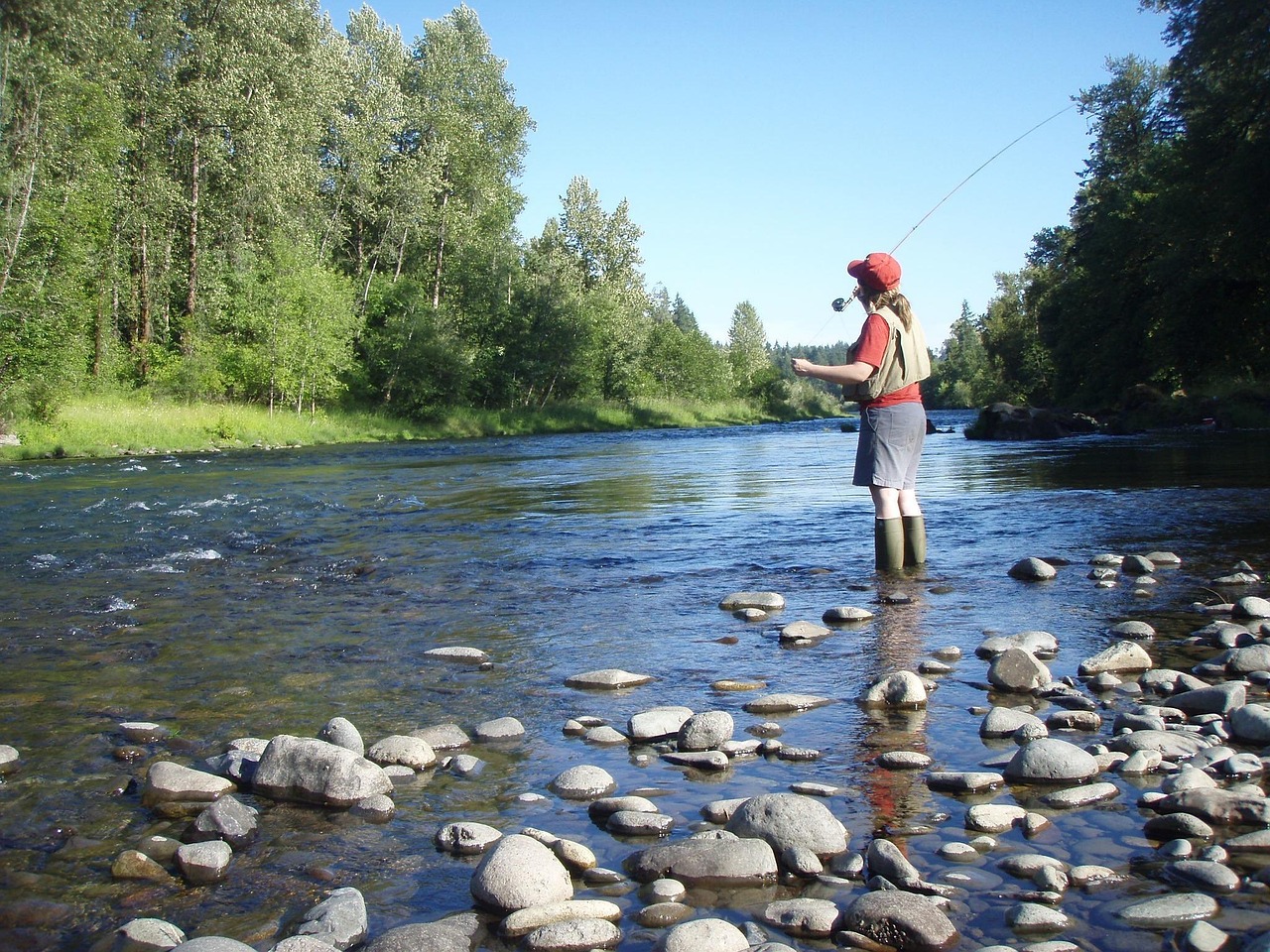
Winter settles into the Oregon Coast Range quietly. Low clouds hang in the trees, water drips off the alders, and the river turns that deep, tea-colored brown that only comes with rain and cold. That’s when winter steelhead start showing on the Siuslaw—fresh fish slipping in on new water, easing into the edges to rest, then pushing upriver again as the river rises or falls. For anglers there’s plenty of water you can cover on foot, as long as you understand how steelhead move and where they like to pause.
Below is a practical, bank-focused guide: where to stand, what to throw, and how to fish the river based on conditions.
How winter steelhead use the Siuslaw
Winter fish are movers. Most of your bank success comes from intercepting travel lanes and “resting” water:
- Travel lanes: seams where faster current meets slower water, especially on inside bends and along the edge of a main channel.
- Rest stops: soft buckets below riffles, walking-speed runs, tailouts, and any “slow spot near fast” where a fish can pause without burning energy.
- High water behavior: fish hug the edges, flooded brush lines, and soft inside water. If you’re fishing mid-river in high flow, you’re often fishing over their heads… but not on them.
- Dropping/clearing water behavior: they slide back into defined slots—classic runs, tailouts, and the heads of pools.
Rule of thumb: In higher flows, fish closer than you think. In lower, clearer flows, fish slower and farther (longer leaders, smaller presentations, lighter gear)
Best winter conditions
You don’t need perfect conditions—just the right plan for the water you get.
1) Green-ish / dropping river = prime
- What it looks like: a little color, visibility maybe 1–3 feet.
- What to fish: drift gear, beads, jigs, small bait, or spinners.
- Where to stand: heads of runs and tailouts—fish travel those edges hard when things are stabilizing.
2) Big, pushy high water
- What it looks like: fast, muddy, rising or freshly peaked.
- What to fish: big profile—bigger yarnies, larger pink/orange presentations, heavier weights, louder spinners.
- Where to stand: soft edges, inside bends, back-eddies, flooded margins, anything that’s walking speed or slower.
3) Low and clear
- What it looks like: “pretty,” but spooky.
- What to fish: subtle—small jigs, small beads, smaller bait, and lighter leaders.
- Where to stand: deeper slots, shade lines, and longer runs where fish can feel secure.
Bank-fishing techniques that produce on the Siuslaw
A) Drift-fishing (the bank angler’s bread-and-butter)
Goal: bounce a clean presentation along the bottom at the speed of the current.
Simple bank setup
- Sliding sinker or pencil lead
- Swivel
- 24–48" leader
- Hook + bait (roe if legal/available, sand shrimp, shrimp tail, or a small yarn/cluster combo)
How to fish it from shore
- Cast slightly upstream at a 30–45° angle.
- Keep a light belly in the line so your gear ticks bottom.
- If it drags hard: lighten up. If it never touches: add weight.
- Work the “lane” systematically—two steps, two casts—until you’ve covered the run.
Steelhead bite cues: a “tap-tap,” sudden heaviness, or your drift just stops in a way that doesn’t feel like a rock. Set with a smooth sweep, not a wild jerk.
B) Float fishing jigs (deadly in softer winter edges)
If you’re bank fishing and the water has that perfect walking-speed seam, float + jig is a sniper rifle.
Why it works: the jig rides above snags, stays in the zone longer, and looks alive even in cold water.
Bank tips
- Set depth so the jig ticks bottom occasionally near the end of the drift.
- Start with darker colors in stained water (black/blue, purple) and brighter in color (pink, cerise) as needed.
- Add scent sparingly; winter fish will eat a clean presentation.
Where it shines: inside seams, tailouts, and any “slow next to fast” water you can drift parallel to the bank.
C) Spinners from the bank (cover water fast)
Spinners are perfect when you want to locate a fish, not marry a run for an hour.
How to fish them right
- Cast quartering downstream and retrieve just fast enough to keep the blade working.
- Let it swing through seams—many bites happen when the spinner slows and “hangs” in the lane.
- In higher/tinted water: go a little bigger or brighter.
- In clear/low water: smaller and more natural.
Where it shines: tailouts, riffle edges, and anywhere you can create a controlled swing without snagging constantly.
D) Plunking (best when flows are up or you’ve got limited mobility/time)
Plunking gets a bad rap from some folks, but it catches winter fish when done thoughtfully—especially in travel lanes where steelhead funnel.
Key to good plunking: position, not just bait.
- Find a lane where the current “pushes” along a defined edge.
- Use enough weight to hold bottom without rolling constantly.
- Keep baits fresh and avoid a tangled mess in the brush.
Best places to bank fish the Siuslaw
A quick reality check: specific “best spots” change with access, water levels, and private land boundaries. But the Siuslaw has repeatable types of bank water that produce every winter, and you can find them reliably.
1) Public access near Mapleton
Mapleton is a classic bank-angler hub for the Siuslaw system because it’s close to tidewater influence but still gives you true river structure—travel lanes, long runs, and softer walking-speed edges after rains.
Look for:
- Long inside bends (float/jig heaven)
- Heads of runs below riffles (drift gear)
- Tailouts with a clean swing (spinners)
2) Around Whittaker Creek Recreation Area
This area is popular for a reason: it offers easy bank access and classic steelhead holding/travel water.
How to fish it from shore:
- Start with spinners to locate a bite window.
- Then slow down with drift gear or float/jig once you’ve found the lane.
3) The lower river “transition water” near Florence (tide-influenced sections)
In winter, fresh fish often stage and travel through the lower river. Bank anglers can do well targeting:
- Edges where current meets softer tidewater
- Drop-offs and seams near deeper bends
- Any place the flow narrows and “funnels” fish
Best tools here: spinners and float rigs, plus plunking in defined travel lanes.
4) Confluences and creek mouths
Where tributaries enter, you get temperature differences, scent corridors, and fish that pause to sort out the route.
Bank strategy:
- Fish the seam where the tributary water mixes into the main flow.
- Hit the first soft bucket downstream of the confluence.
- Don’t ignore the “walking-speed” inside edge—fish often ride that in higher flows.
5) “Roadside bends” with safe pullouts and visible structure
If you’re new to the river, pick water you can read from the bank:
- Inside bends with a defined seam
- A riffle dumping into a pool (head + bucket)
- Tailouts you can cover with a spinner swing
Walk until you find a spot where the river offers slow water adjacent to fast. That’s winter steelhead geometry.
A simple bank plan for a winter day
- Start at daylight: cover water with spinners through 2–3 likely runs.
- Once you find a lane: switch to float/jig or drift gear and fish it thoroughly.
- Adjust to the river trend:
- Rising/muddy → edges + bigger profile
- Dropping/green → run heads + tailouts + standard drift setups
- Low/clear → smaller gear + longer leaders + slower, deeper slots
- Rising/muddy → edges + bigger profile
- Rotate: winter fish come in waves. If it “turns on,” you want to be in good travel water, not stuck in a dead pocket.
Last but not least:
Bank gear that makes life easier
- Rod: 9’6”–10’6” medium (drift) or 10’6”–11’ float rod
- Line: 10–15 lb mainline (braid or mono) + 8–12 lb leader depending on clarity
- Terminal: assorted slinkies/pencil lead, swivels, beads, jigs, a few spinner sizes
- Safety: cleats/studs, wading staff if you’ll step into margins, headlamp, dry bag
Extras: polarized glasses (even in winter), small tackle tray, river gloves