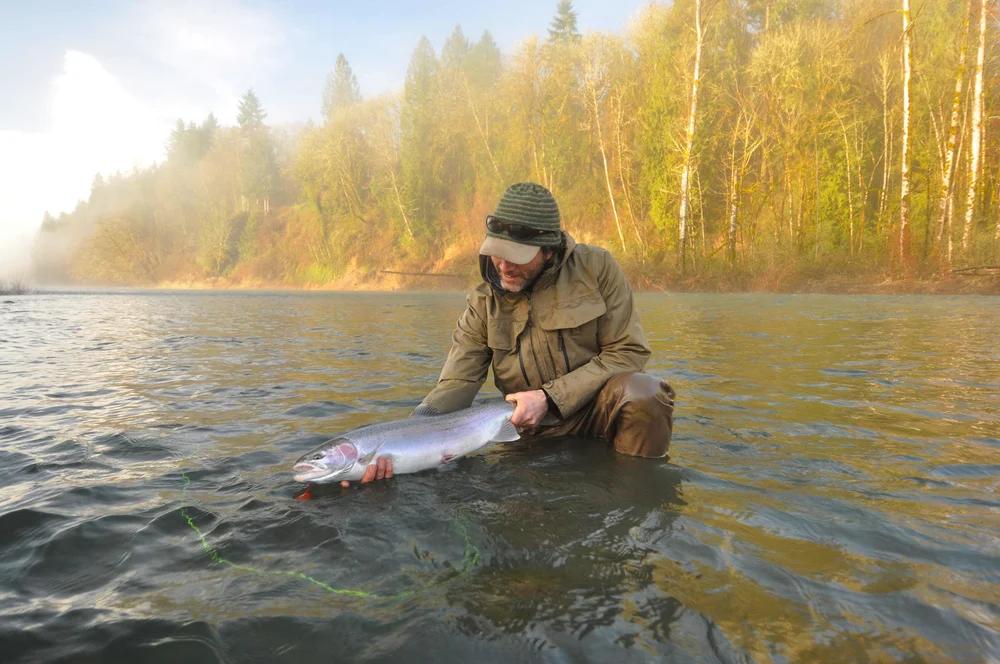
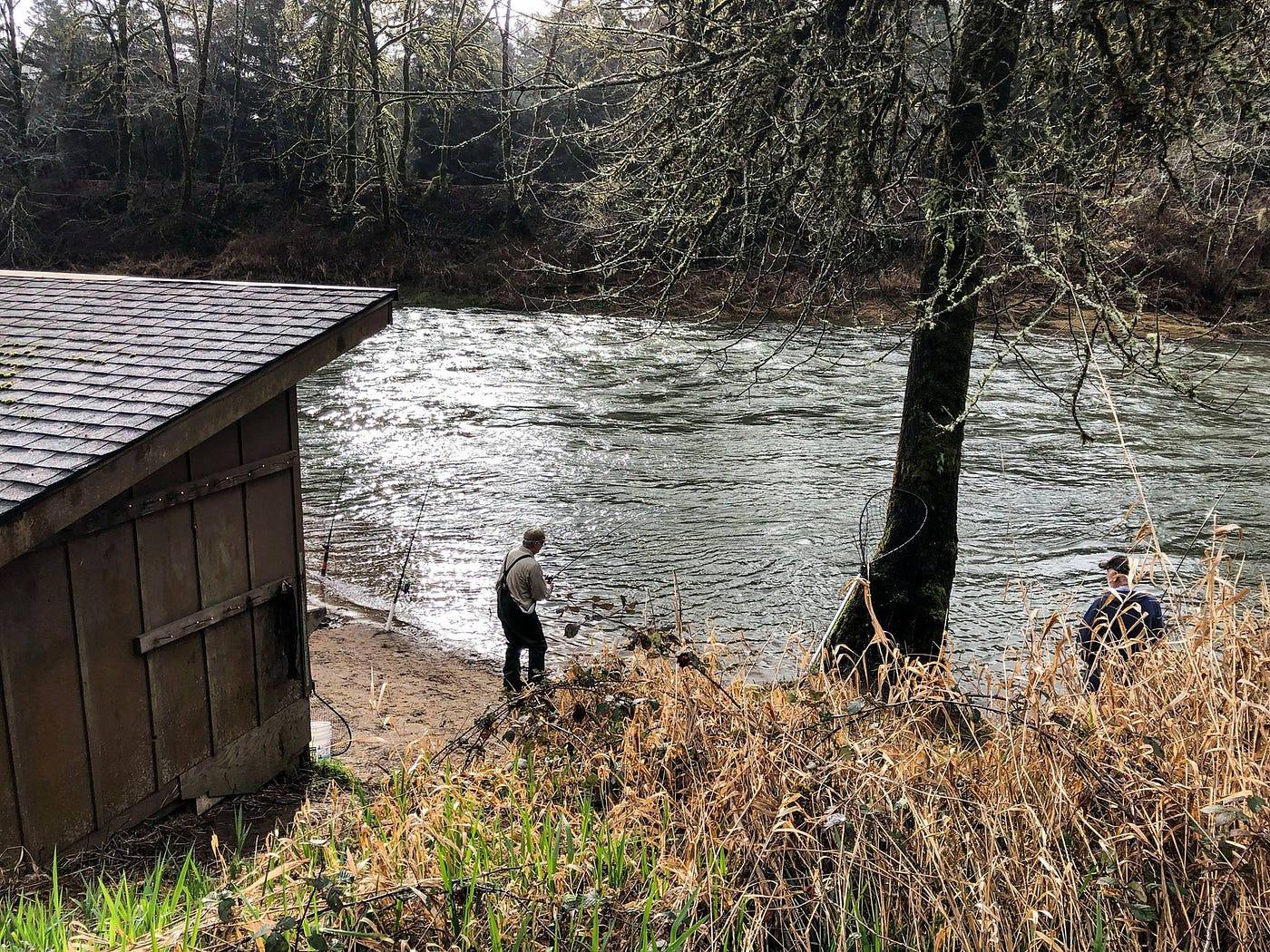
Siletz River Early Winter Steelhead Fishing Report – November 2026
Oregon Coast Fishing | Early Winter Steelhead Forecast, River Conditions & Bank Fishing Tips
The fall salmon season is winding down, the rain is returning to the Oregon Coast, and steelhead anglers are starting to turn their attention toward the Siletz River. November marks the beginning of the transition into winter steelhead fishing, and although the main run is still weeks away, it's never too early to start watching the river.
The Siletz is one of the more popular winter steelhead fisheries on Oregon's central coast, known for its hatchery and wild fish, productive bank fishing opportunities, and miles of beautiful coastal river habitat. From the lower river near Siletz to the deeper runs and holding water farther upstream, there are plenty of places worth scouting before the season gets into full swing.
Early November Steelhead Outlook
The first thing anglers need to understand about early winter steelhead fishing on the Siletz is that November is generally a scouting period rather than the peak of the run. A few early winter fish may begin showing up as conditions improve, but December through February typically offers much better opportunities.
Early-season success depends heavily on rainfall. Steelhead need sufficient river flow to move upstream, and the first substantial storms of late fall can help bring fresh fish into the system. However, too much rain can quickly turn the Siletz high and muddy, making fishing difficult until conditions improve.
For anglers hoping to get an early start, the best opportunities often come when the river begins dropping after a significant rain event. Improving visibility, moderate flows, and fresh fish moving into the system can create a promising combination.
Current River Conditions and What to Watch For
As of November 2, 2026, verified real-time Siletz River flow, visibility, and steelhead catch reports were not available from the sources checked. That means it's too early to claim fish are being caught consistently.
There is encouraging historical evidence, though. ODFW reported that winter steelhead were caught by coho anglers on the Siletz as early as mid-November during the previous winter season. ODFW also identified the Siletz as a river offering later-returning hatchery and wild-broodstock steelhead opportunities into spring.
For anglers planning a trip, these are the conditions worth watching:
- Low and clear water: Fish can become spooky. Downsize presentations and concentrate on deeper holding areas.
- Rising water: Fresh steelhead may begin moving upstream, especially following the first substantial winter storms.
- High and muddy water: Fish become harder to locate and visibility can be extremely limited.
- Dropping, green-tinted water: Often the best opportunity to intercept moving steelhead.
A river that's dropping and beginning to clear after a storm is usually worth more attention than one that's been running low and clear for several weeks.
Best Areas to Fish on the Siletz River
Lower Siletz River
The lower stretches of the Siletz are worth scouting early in the season, particularly after the first significant rainfall. Fresh steelhead entering from the ocean must travel through this section before reaching upstream holding areas.
Focus on slower seams along gravel bars, deeper runs near bends, and softer water just outside the main current. Fish moving upstream will often use these areas to rest, especially when river flows increase.
Siletz River Near Moonshine Park
Moonshine Park is a familiar landmark for anglers fishing the Siletz. The surrounding river offers a mixture of runs, riffles, and deeper pools that can become productive as winter steelhead move upstream.
During early winter, concentrate on the transition between faster and slower water. Steelhead don't always hold in the deepest part of a pool. Sometimes they're sitting right along the current seam, waiting for the right conditions to continue upstream.
Upper River and Siletz Gorge
The upper Siletz and gorge sections offer more technical fishing, with faster water, rocky runs, and deeper pockets. These areas generally become more interesting as fish move farther upstream later in the season.
Access and seasonal restrictions vary, particularly around the gorge, so check the regulations and legal access points before fishing.
Best Steelhead Fishing Techniques for Early Winter
For early winter steelhead, I would keep the approach fairly simple. Cover water, fish thoroughly, and pay attention to changes in current speed and depth.
Bobber and jig fishing is an excellent starting point. A 1/8-ounce or 1/4-ounce jig suspended beneath a float can work well in slower runs and deeper holding water. Pink, peach, orange, and black are useful colors to keep in the tackle box. Adjust the float so the jig travels naturally near the bottom without dragging constantly.
Drift fishing with yarn, Corkies, or other legal presentations can be productive in faster runs. The goal is to keep the offering moving naturally with the current while maintaining occasional contact with the bottom.
Beads and soft plastics can also be effective, particularly when the river has decent visibility. Smaller, more natural presentations are worth trying when fish are pressured or the water is exceptionally clear.
For anglers fishing from the bank, one of the biggest mistakes is standing in the same spot all morning without changing anything. If a run isn't producing, adjust your depth, change presentations, or move to another section of river.
When Will the Winter Steelhead Run Improve?
November for Early arrivals
Scattered early fish are possible, particularly after substantial rainfall for December
Winter steelhead opportunities generally improve as more fish enter the system, January and February which is the Prime season
Traditionally productive months for winter steelhead fishing on the Siletz, depending on river conditions and run timing are March–April
Late season, Later-returning steelhead can continue providing opportunities in sections open to fishing.
These are typical seasonal patterns, not confirmed forecasts of fish abundance for the 2026–27 run.
Siletz River Steelhead Fishing Regulations
Before heading out, anglers should review the current Oregon Department of Fish and Wildlife regulations for the Siletz River. Rules can change depending on the section of river, time of year, and whether you're targeting hatchery or wild steelhead.
Wild steelhead must be released unless a specific regulation expressly authorizes retention. Check the current hatchery steelhead bag limit, gear restrictions, open boundaries, and any emergency closures before fishing.
Useful resources:
Outlook: Siletz River Early Winter 2026
For anglers itching to chase winter steelhead, the Siletz River is definitely one to keep an eye on as November progresses. The first significant rainstorms will help determine how quickly fish begin entering the system and how accessible those fish will be to bank anglers.
Don't expect every run to be loaded with steelhead this early. November fishing can mean covering a lot of water for just one opportunity, but that's part of what makes hooking an early winter fish so rewarding.
For now, the best strategy is to monitor river flows, scout productive bank access, and be ready when the water starts dropping after a good coastal storm.
What is the bottom line?: Early winter steelhead fishing on the Siletz is just getting started. The strongest opportunities are likely still ahead, but the coming weeks could provide the first chances to connect with a fresh winter steelhead.